


India stays quiet on Indus Waters Treaty
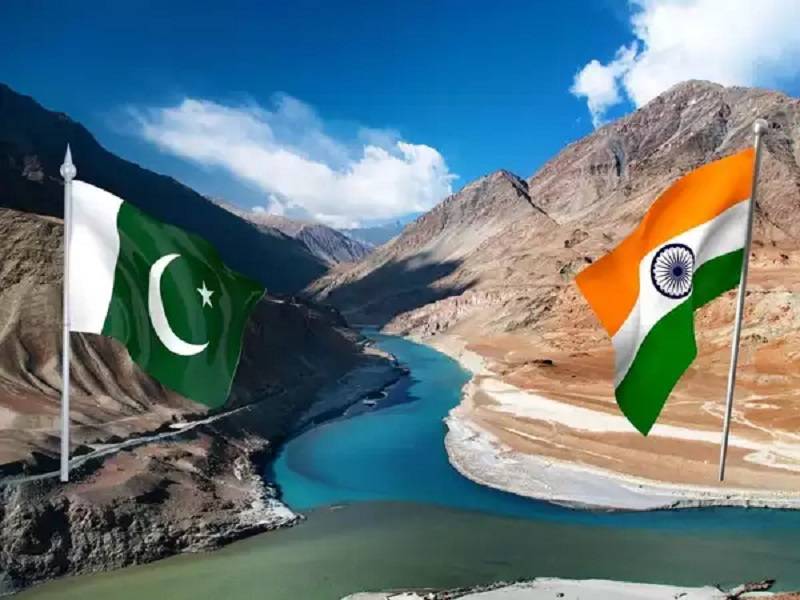
India’s silence on the Indus Waters Treaty has begun to speak louder than any official statement. UN Special Rapporteurs asked New Delhi to explain its recent actions concerning the treaty, and they set a clear deadline, 16 December 2026. That date passed. Then a week passed. Then a month. Today marks 38 days since the deadline expired. The UN system is still waiting. Questions have been asked. No answers have arrived. For a country that often calls for respect for a rules-based order, this quiet delay is striking.
The Indus Waters Treaty is not a casual agreement. It is one of the most enduring water-sharing arrangements in the world. It has survived wars and long periods of political hostility. It assigns rights, duties, and mechanisms for dispute resolution. It ties two nuclear-armed neighbors to a shared framework that has kept a vital resource stable.
When UN Special Rapporteurs seek clarification from a state about its conduct under such a treaty, they are not making a symbolic request. They are exercising part of the international system’s routine oversight. They expect engagement. They expect an answer
India’s silence, now stretching past a full month, raises two questions. First, what prompted the reluctance to respond? Second, what message does this non-response send to other states, especially those that depend on cooperation with India in sensitive areas like water, migration, and environmental protection? These are not small matters. Water issues can fuel mistrust, and mistrust has a way of spilling into broader disagreements. Even a short period of disengagement can deepen suspicions about long-term intentions.
Supporters of India may argue that governments often move slowly, that inter-ministry coordination takes time, or that the UN’s communication arrived at a moment when domestic priorities were overwhelming. These explanations have some surface appeal. But they ignore the basic expectation that a state acknowledges such inquiries, even with a simple note requesting more time. Silence is not a neutral act. Silence in a treaty context can be read as either uncertainty, avoidance, or an unwillingness to place a position on record.
The UN’s Special Rapporteurs do not issue binding demands, but they do represent a neutral mechanism through which concerns can be explored. Their role depends on cooperation. When a government chooses not to reply, it pushes against a norm of transparency. It signals that scrutiny is unwelcome.
This may be convenient in the short term, but it sets a precedent that could return in a less convenient form later. Once a state begins to ignore such inquiries, others may feel justified in doing the same
The Indus Waters Treaty itself has long depended on the belief that both sides will act in good faith. It was crafted with the involvement of the World Bank to lock in predictability. Each diversion, dam, or technical change on the rivers that fall under the treaty is part of a larger trust-based system. When one party feels that the other is not following procedures, it can escalate into a political or legal conflict. The UN inquiry appeared to touch on exactly these concerns. That gave India a chance to explain, clarify, or defend its actions. It has not done so.
Silence also weakens New Delhi’s own arguments on the global stage. Indian officials often call for respect for sovereignty, adherence to agreements, and fair treatment in international forums. These points carry more weight when matched with consistent openness. When India ignores the UN’s questions on a major treaty, it undercuts the moral ground from which it speaks. Rules-based order is not a phrase to be used only when convenient. It is a principle that works only when states show willingness to be accountable, even when the questions are uncomfortable.
Critics of the UN may claim that these inquiries are political or biased. Even if that were true in some cases, the better answer would still be engagement, not silence. A reply can shape the narrative. It can correct errors.
It can strengthen India’s argument. Remaining quiet does the opposite. It leaves space for speculation, and speculation is rarely kind in international politics
It is also important to understand the symbolic weight of a missed deadline. A delay of a few days can be seen as administrative. A delay of 34 days looks deliberate. The longer the silence continues, the louder it becomes. At some point, it shifts from appearing slow to appearing dismissive. That shift can have consequences, because other actors will adjust their expectations accordingly. If India seems unwilling to answer detailed questions now, partners may wonder whether the pattern will repeat in future agreements or negotiations.
No one expects a single unanswered letter to trigger a crisis. But treaties survive on habits. Habits are built through steady, even routine responses to each other. Breaking that routine sends a signal. Water politics in South Asia have never been simple, and the region cannot afford new layers of uncertainty. When the UN asks for clarification on actions connected to a vital shared resource, responding is not a burden. It is part of the responsibility that comes with being a party to a treaty.
India still has time to repair the signal it has sent. A thorough and candid reply could reset the tone. It could reassure the UN system and the region that India remains committed to transparency under the treaty. It would show that silence was only a temporary lapse, not a pattern. But each passing day makes that recovery a little harder.
Ignoring UN queries may be easy. Explaining treaty conduct is harder. Yet the harder path is usually the one that strengthens credibility. The world is watching to see which path India chooses, and how long it continues to let silence stand in for its explanation.

