

Indian Major Dal Bahar Singh Arrested in Peshawar
Indian Major Dal Bahar Singh Arrested in Peshawar
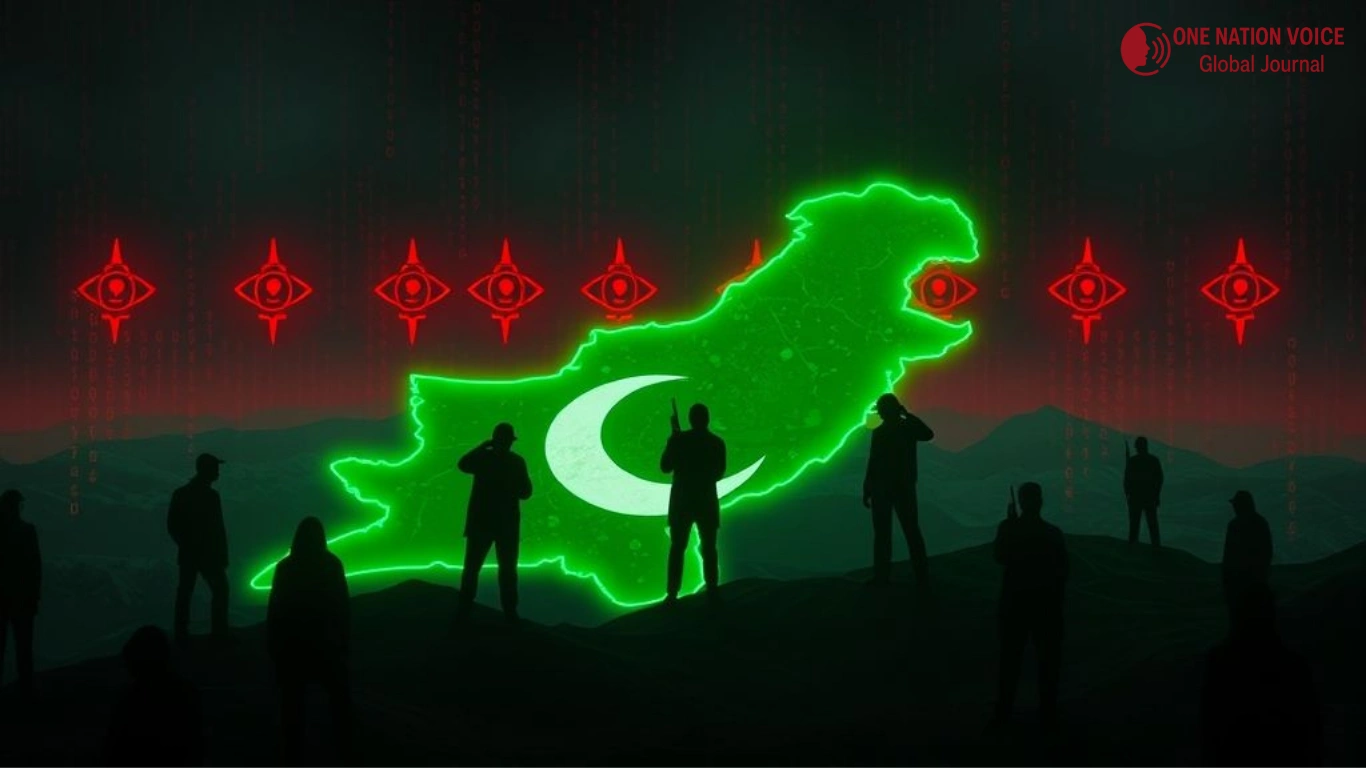
The biggest outcry was when an Indian Army officer, Major Dal Bahar Singh, was arrested by Pakistani security personnel sneaking into Peshawar. The arrest has brought to the fore an Indian cross-border terror operation and has revealed an Indian spy network of 20 years against Pakistan. Pakistani security officials had a chance to arrest a serving officer working undercover in Peshawar, Major Dal Bahar Singh. His detention was the sign of the scope of Indian intelligence collection and terrorism activities in Pakistan where he was masquerading as the imam of a mosque under the alias Dawood Shah. The episode is symptomatic of India trying continuously to control the Pakistani society, get access to secret information, and spread conflict in the state.

The act is another chapter in the epic struggle of Pakistan against unknown border challenges to its national security.
The arrest is also closely linked to the higher India Pakistan tensions where both countries level cross-border terrorism charges against each other. While India accusing Pakistan of sponsoring the terror outfits that execute terrorist attacks on Indian soil such as the high profile Pahalgam terrorist attack. This has been retaliated by India through military action (Operation Sindoor) in the suspected terror installations in Pakistan. Meanwhile, the actions of the Pakistani government do not admit its collaboration, and the arrests are the evidence of the Indian espionage and secret activities against Pakistan.
Major Singh was caught in outer edges of Peshawar pretending as a mosque imam. He was openly operating under the alias of Dawood Shah. Months of searching lights Pakistani intelligence has confirmed his identity, after intense surveillance last week.
It is necessary to add that at the moment of the arrest, the Fajr prayers were going on in one of the local mosques. This goes a long way to demonstrate how the security forces in Pakistan had conceived to apprehend the intruder in a peaceful manner. Through defense, it also suggests that the officer is trying to merge with society and religion.

Pakistan continues to believe that Major Dal Bahar Singh was a high ranking missionary in two missions. He was collecting high level military and intelligence information. The reason why such information should be needed would be in the case of an intelligence operation whose goal is to destabilize nation. Pakistan looks at such an effort as component of the greater, calibrated Indian scheme. India has preferred terrorism and spying as an effort to bring political and social instability in Pakistan through creating mayhem and mistrust.
This arrest is an easily marketable addition to the long account of Indian spying indictments in Pakistan. One of the most discussed cases involved Kulbhushan Jadhav.
Pakistan has accused a former Indian naval officer, arrested in March 2016 in the province of Balochistan, of sabotage and spying. His case was exposed throughout the globe, and it continues to tell the world about the injustices practiced by India in Pakistan.
Jadhav is not the first Pakistani spy that is able to be arrested in years. In the 1980s, Ravinder Kaushik was arrested. He was a Pakistani deep cover Indian agent. An Indian citizen, Sarabjit Singh, who happened to be on the wrong side of the history and was found guilty of being a spy agent already in 1990, is also a familiar face in even more recent days. This arrest signifies an epidemic of Indian spying activities on the Pakistani soil.

Besides the deportation of prominent spies, Pakistan has been able to track down many low profile agents and facilitators. Such agents are normally involved in the provision of logistics support, collection of intelligence, and laying attacks. Their arrest means that Pakistan is hypersensitive in the intelligence field.
Dal Bahar Singh was a Major in Indian Army, therefore, his arrest is of great interest. This is an indication that India has been using active military men in clandestine missions.
Such actions just continue to build resentment between the two nuclear neighbors and heighten the bilateral tensions.
According to the claims of security agencies of Pakistan, such espionage arrests are not one off cases. Rather, they expose that India has an unlimited Pakistan policy of infiltration. India is also accused of home warfare and using intelligence missions to destabilize through sending people to sensitive post. The counterterrorist and counterintelligence are more to be enhanced in Pakistan. Yet another point that is highlighted by the government is that these dangers will never be forgotten. Intelligence agencies will not allow any action to compromise the integrity of Pakistan since national security is a priority. The latest arrest is sending good news to India.
Since the arrest of Major Dal Bahar Singh, Pakistan has travelled quite a distance in the war against cross-border terrorism. It shows Indian attempts to destabilize Pakistan and fill Pakistan with agitations and spies. In that case of a continued turmoil, the national security and the security of the region have closely been identified with the active operations of the security organs of Pakistan.
Disclaimer: The views and opinions expressed in this article are exclusively those of the author and do not reflect the official stance, policies, or perspectives of the Platform.