
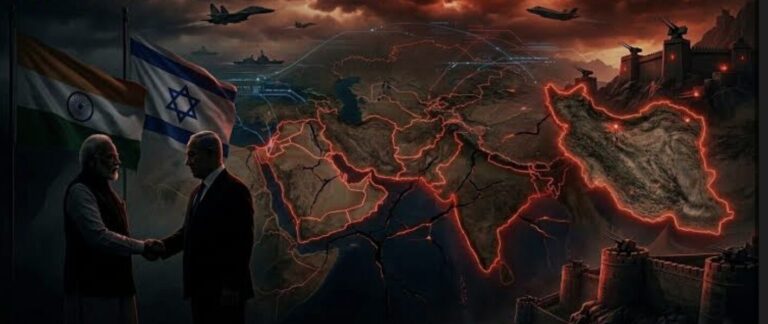
Is India Quietly Helping US Pressure Iran?
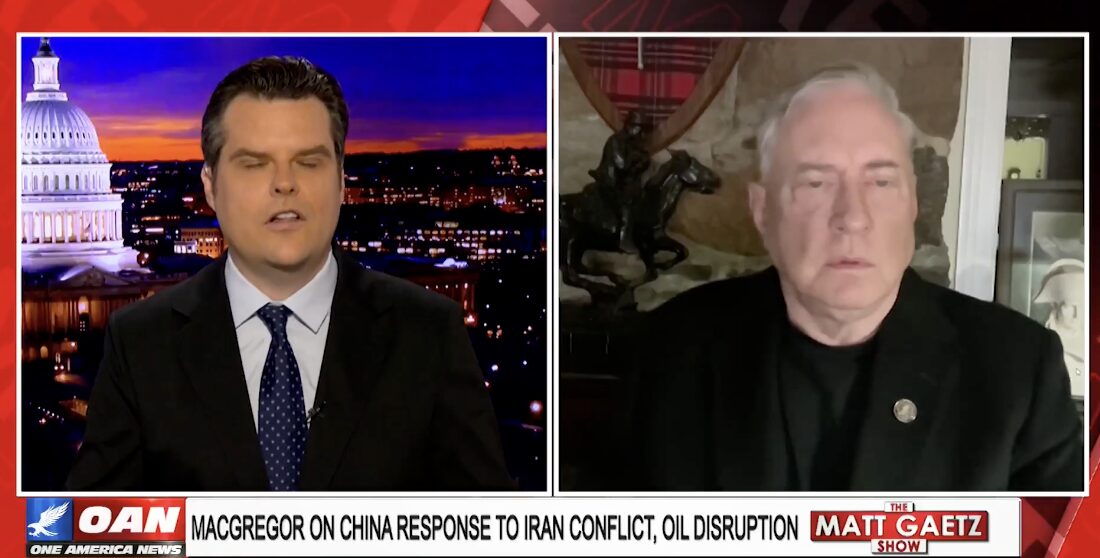
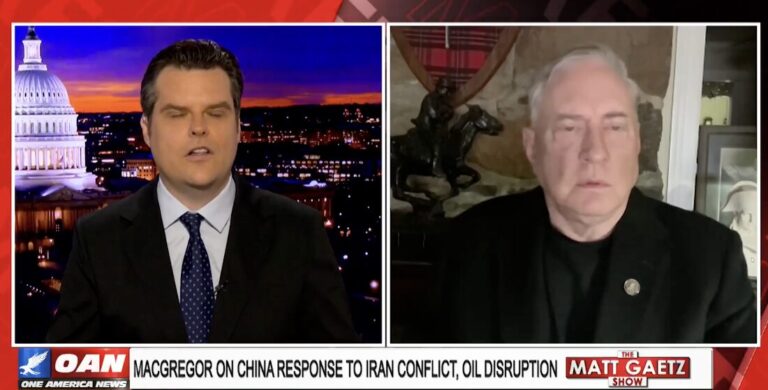
People are sharing retired Colonel Douglas Macgregor’s accusation that the US Navy is “using Indian ports against Iran” because it fits a simple story: India is moving toward a US-led war stance in West Asia, and Indian facilities are slowly becoming part of the machinery. People are posting and sharing Macgregor’s statement on social media, but it’s still just a claim, not a recorded revelation with dates, ports, ship names, or an official paper trail. That matters because ports, logistical support, and “access” are all technical terms that might sound dramatic in a sound bite but are really very normal.
Begin with what is on the record. In 2016, India and the US signed the Logistics Exchange Memorandum of Agreement, which enables either country ask for help with items like fuel, supplies, and maintenance during port visits, training, exercises, or humanitarian missions. In simple words, it’s not a deed to India’s ports; it’s a licensing and accounting system. The US State Department says that LEMOA is part of increasing military cooperation, but it doesn’t say that India is a permanent logistical base for US combat operations. That doesn’t prove Macgregor incorrect, but it does establish a high standard for what “using Indian ports against Iran” would have to imply. If the accusation is that India is regularly helping the US wage wars against Iran, you would expect more than clips.
You would expect to see trends, such as recurrent trips that coincide with operations, a rise in replenishment contracts, or reliable reports linking the support of a certain US task force to a specific Indian facility for a specific situation
There is also a second reality that goes against the idea that India is just a US proxy in a fight with Iran: India has been trying to keep a channel to Iran open for years, mainly through the Chabahar port project, because it gives India a way into Afghanistan and Central Asia that doesn’t go through Pakistan. Reuters said that the US gave India a six-month break from sanctions connected to Chabahar operations. This is surprising since Washington’s main purpose was to use India’s port network against Iran and push New Delhi to take a strong line. Having that waiver doesn’t mean that India is “pro-Iran,” but it does indicate that the relationship web is complicated and based on transactions, not a straight line from New Delhi to Washington to a strike plan.
What might Macgregor be talking about, even if he’s exaggerating? One option is that routine US Navy visits to Indian ports for refueling and maintenance may free up US logistical capabilities in other places. When a ship obtains fuel or maintenance in India, it takes less work for US facilities in the Gulf or on logistical ships that are already at sea. That type of adaptability may be important in a crisis. Another option is signaling. When there are more U.S. Navy ships in the area, friendly port visits may be utilized to signal that the US is working with its friends and reassure them. None of it means “against Iran” right away, but it might appear that way from Tehran, particularly when the area is tight, and every docking picture is used in a propaganda war.
Now let’s talk about what India wants. India wants strong military links with the US for reasons that have more to do with China than Iran. It seeks access to more sophisticated equipment, improved interoperability, and political backing in the Indo-Pacific. India also has reasons not to take a direct anti-Iran stance, such as energy security, the possibility of a diaspora in the Gulf, and the long-standing idea of strategic autonomy.
India frequently attempts to keep things vague so that it doesn’t become involved in someone else’s struggle, even when it works more closely with Washington. That balancing task is tougher now, but it hasn’t gone away
Perception is what makes the narrative hazardous. Iran and its allies don’t require solid evidence that “Indian ports used against Iran” to make India a softer target in their stories, cyber operations, or maritime signals. If people think that Indian facilities are helping the US Navy get ready for a standoff, India might be in trouble without ever making a decision. That’s why it counts when people speak loosely. When powerful pundits say that India is an operational part of US power, they may make the area act that way, even if the truth is that port logistics are restricted and diplomatic language is courteous.
This is how I see it: MacGregor’s assertion is only true in a very limited, technical sense: US ships may get logistical assistance during visits under current arrangements, which can help US operational flexibility in a small manner. However, the more serious version of the claim, that India is knowingly letting the US use its territory to attack Iran, is not supported by what is known so far. This is because India is still trying to keep some working space with Iran through Chabahar, even though the US is putting pressure on it and using sanctions.
If India wants to keep its options open, it has to do two things at once. It should make sure that its military cooperation with the United States is explicit enough that rumors don’t turn into “facts” in regional capitals. It should also make it plain what sorts of help it won’t provide for fights between third parties. People will write the script if you don’t speak out. And right now, in a part of the world where access to ports and logistics is as important as missiles, India can’t allow its ports become symbols in someone else’s war story, whether that story is coming from Tehran, Washington, or viral videos on social media.

