
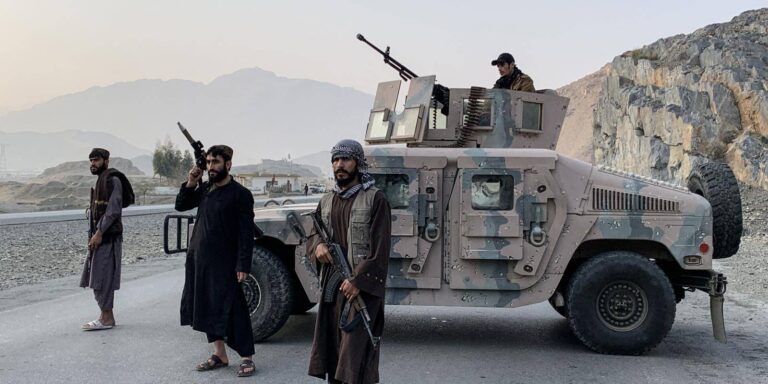

Modi Govt Blocks Guru Nanak Pilgrimage

This November, a jatha hoping to travel to Pakistan for Guru Nanak Dev Ji’s Prakash Purab was told they could not go. The Centre said it was about security. For people who had planned for months to stand at Nankana Sahib, the birthplace of Guru Nanak, it felt like their right to worship was turned into a bureaucratic line item.
Bhagwant Mann, the chief minister of Punjab, criticized the unfair treatment. He contended that when money and television rights are on the table, India is happy to continue cricket with Pakistan, but when regular people wish to travel for religious reasons, the door slams. Grandparents who have saved for years to attend this yatra even once find it difficult to understand that contrast.
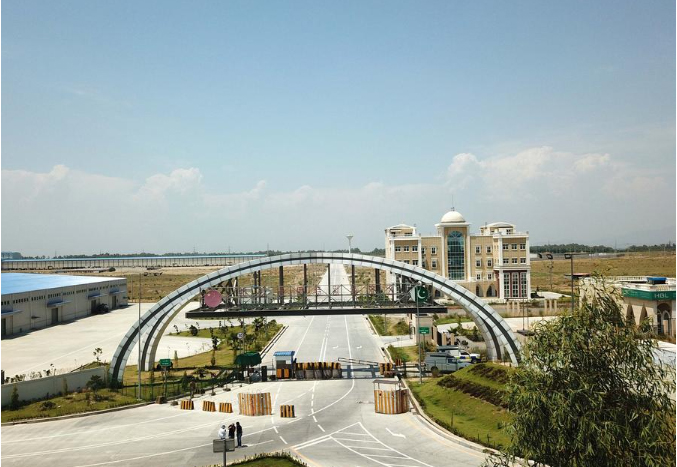
What makes this sting more is that the region already built a system to keep faith separate from politics. The Kartarpur Corridor opened in 2019 and was meant to do one simple thing that let Indian Sikhs visit Gurdwara Darbar Sahib easily and return the same day.
It is not perfect, but it works. People get screened, they cross, they pray, they come back. When the state can manage that routine safely, telling pilgrims they cannot go to Nankana for Gurpurab sounds less like caution and more like a choice.
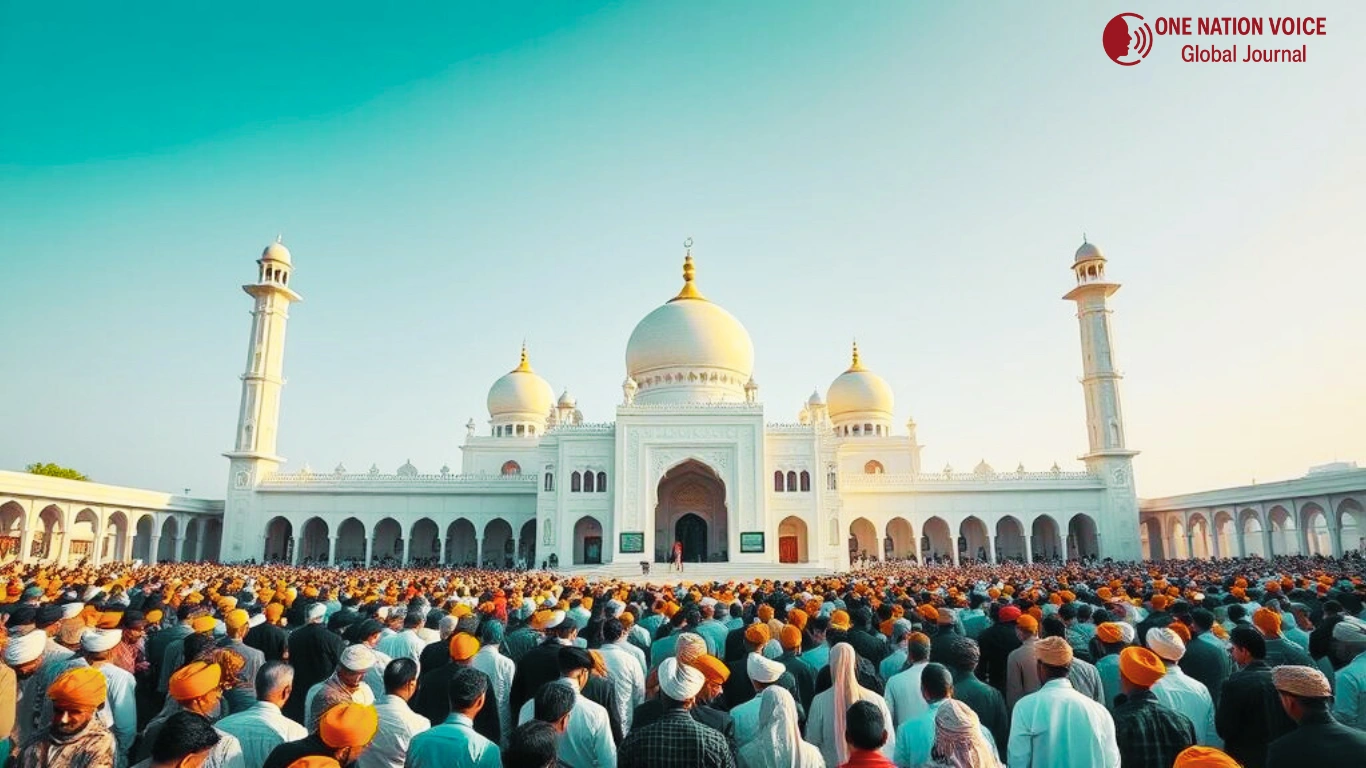
Pakistan, for its part, has kept the doors of historic gurdwaras open and hosts large groups during Vaisakhi and Gurpurab. Reports in recent years have mentioned thousands of visas issued to Indian Sikhs and warm receptions at Nankana Sahib. If some of those numbers turn out to be off, fair enough, the overall picture has stayed consistent. The shrines are open, the infrastructure is there, and people are received with respect.
Now, to be fair, both countries have at times paused pilgrimages, sometimes at short notice. Tensions spike, intelligence agencies raise flags, and governments hunker down.
The problem is the pattern. When restrictions fall on a major Sikh anniversary, it hits a nerve that is already raw.
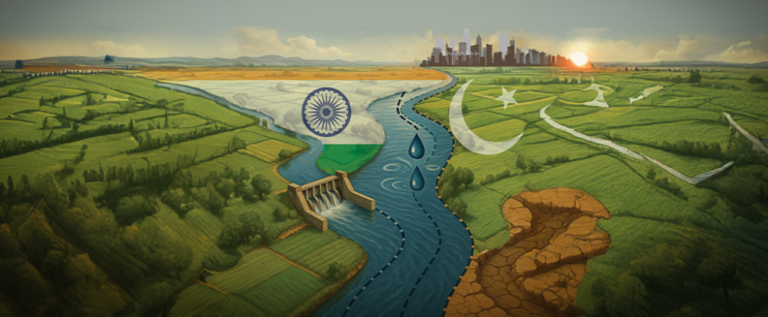
Many in the community carry a long memory of state actions that felt like direct blows to their identity such as the army’s 1984 assault on the Golden Temple, the pogroms that followed Indira Gandhi’s assassination, and long-running disputes over Punjab’s water and the SYL canal. The history cannot be separated from how people hear the word “security” today.
Security obviously matters. No one is asking the government to be reckless. But security is supposed to be a design problem, not an excuse to cancel faith. There are established ways to do this right as organized Jathas through the SGPC, fixed itineraries, liaison with Pakistan’s Evacuee Trust Property Board, capped group sizes, identity checks, escorts, and daily trip models that are already proven. If a T20 series can be coordinated in neutral venues, a few thousand devotees can be escorted with clear protocols at a border that handles far higher volumes every single day.

When the doors are shut without a transparent yardstick, it breeds mistrust. Young Sikhs read it as targeted restraint, not neutral risk management.
That frustration does not stay in one place. It shows up online, in diaspora protests, and in angrier conversations about self-determination. If the idea is to cool temperatures, blanket bans tend to do the opposite.
There is also a policy framework that was meant to keep pilgrimages flowing even in rough weather. The 1974 India Pakistan protocol on visits to religious shrines exists for exactly this reason. Publish a clear annual schedule under that protocol, spell out the minimum conditions required for a pause, and make those conditions public. If fresh intelligence meets that bar, say so plainly. People may still be upset, but they will not feel blindsided.
So, what would a better path look like right now? A quick reset. The Centre should sit down with Punjab, the SGPC, and the relevant authorities across the border, then design a November plan that meets security needs without gutting the yatra. Think manifests, staggered crossings, limited group sizes, medical and security teams, and a communication channel that gives families real-time updates. Most of this already exists in pieces. It just needs to be applied consistently, not selectively.

It also helps to be consistent in other areas of culture. When films, music, or even peaceful gatherings connected to Sikh identity get strangled while sport and entertainment tied to big money carry on, people notice. The standard should be the same across the board that if it can be done safely, do it. If it cannot, explain why in concrete terms.
Finally, a word to those outside India who care about religious freedom. This is not an abstract debate. It is about grandparents who want to place their heads on the floor where Guru Nanak walked. It is about kids who grew up hearing about Nankana Sahib and, therefore, want to see it once in a lifetime. Consequently, support the systems that make it possible. Moreover, hold governments accountable to their own promises.
If New Delhi revises its guidance before November, that will change the picture, and it would be the right call. Until then, the message many Sikhs hear is a hard one that your sport can travel, your prayers cannot. There is still time to fix that.
Disclaimer: The views and opinions expressed in this article are exclusively those of the author and do not reflect the official stance, policies, or perspectives of the Platform.

