

Pakistan Stands Together Transcends Ethnicity in Flood Relief
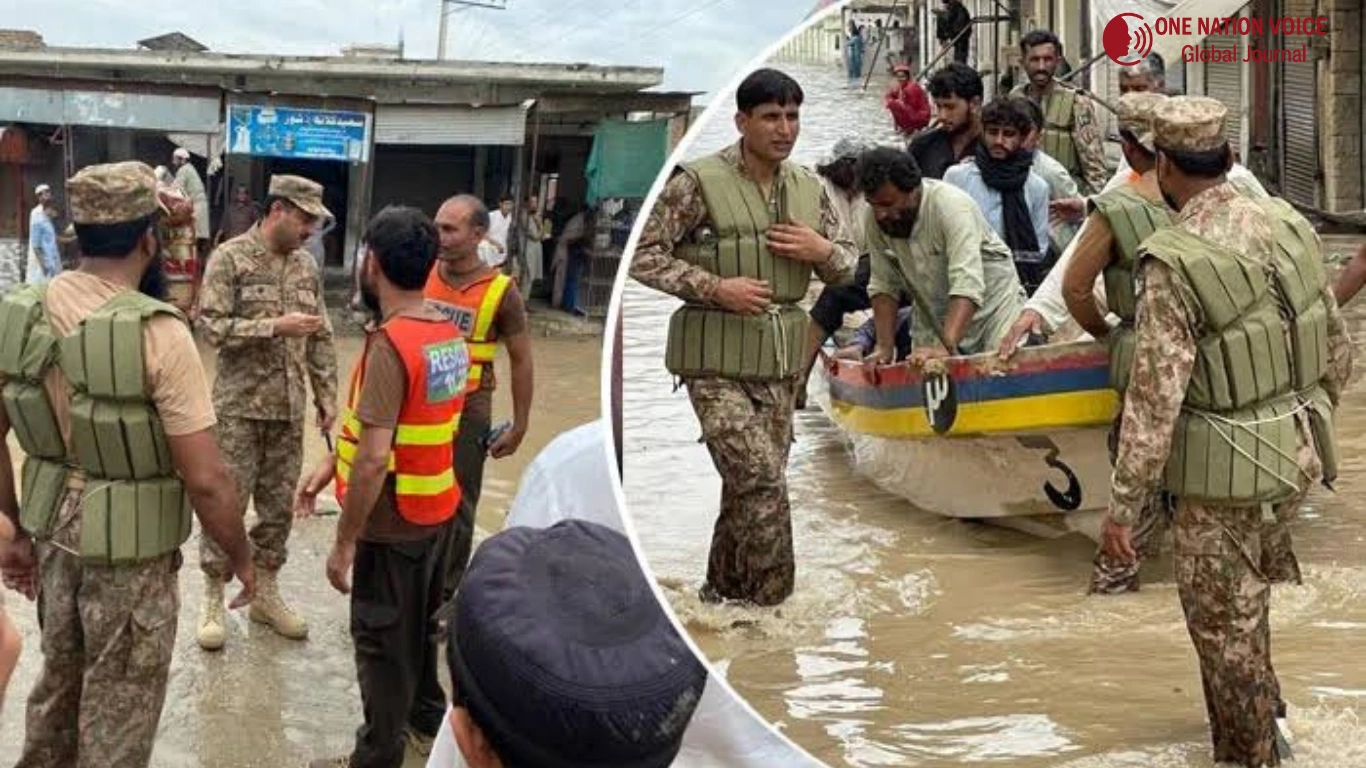
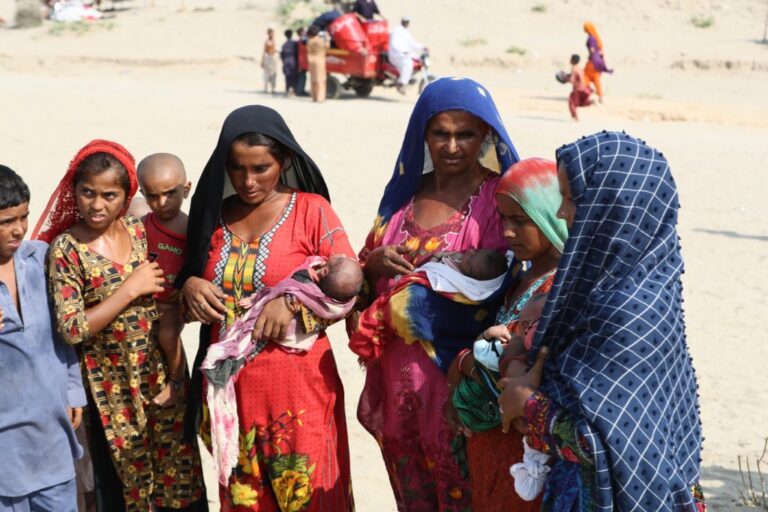
Floods that ravaged extensive acres of Khyber Pakhtunkhwa, especially Buner, once again tested the Pakistani nation and its mettle for disaster management. As with every Pakistani natural calamity, the country’s institutions both military and civilian rose to the challenge well, shifting resources on the ground to evacuate stranded families, provide shelter to homeless people, and attempt to restore fundamental amenities. The images of soldiers holding children in their arms towards flooding waters, rescue groups establishing medical camps, and the National Disaster Management Authority (NDMA) establishing relief camps are evidence that Pakistan does not leave its people to fate in times of adversity. The state rather bridges differences, considering every life equal and valuable under the one green crescent and star.
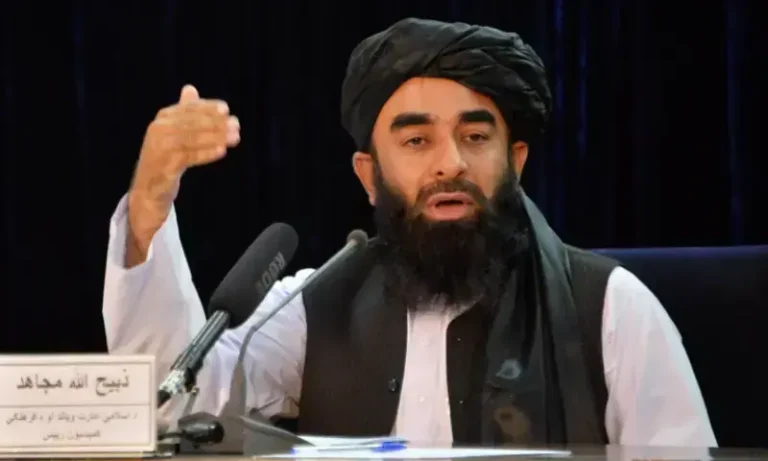
But in the context of such nationalism of togetherness, attempts have also been made to politicize tragedy. The Pashtun Tahafuz Movement (PTM) and its prominent leadership such as Manzoor Ahmad Pashteen traveled to the disaster-affected area and reported the situation in such a way that it seemed like no relief from the state was going to arrive. They charge that Pashtuns were being ignored, consciously excluded by an insouciant state distracted by other communities.
The charges are not merely unfounded but inflammatory, for they aim to split Pakistanis along ethnic lines at a moment when the country needs to witness solidarity.
Playing the ethnic card during human tragedy is painful to none but the operators who earn their livelihood out of strife.
The ground reality is different than PTM claims. The institutions of Pakistan have functioned day and night to widen the relief operations in all the inundated districts without bias or discrimination. Ammunition and troops were employed by the army for evacuating families trapped in water-logged areas. Provincial governments coordinated shelters, provided food, and established medical camps. Humanitarian groups and NDMA were toiling day and night so that there were no citizens left behind. All this was not just restricted to Buner or Pashtun lands but was spread to all the affected provinces and districts as well. During disasters, Pakistan does not distinguish between Pashtun, Punjabi, Sindhi, Baloch, and Kashmiri, it just looks at citizens in distress.
That is because the identity of being Pakistani is inclusive. All Pashtuns are as close to the homeland as all the rest of the nation’s children. It is not ethnicity, but the mutual sacrifice, travail, and grit which are the pillars of Pakistan’s survival. Natural disasters can destroy buildings and roads but cannot eradicate the culture of social responsibility by which this nation survived war, earthquake, flood, and worldwide epidemics. If anything, natural disasters have a way of bringing Pakistanis together, reminding them that in moments of strength, the oneness is not political opportunist disunity. PTM’s effort to try to spin an abandonment narrative of the Buner crisis glosses over hundreds of stories of solidarity observed on the ground.
Volunteers poured from all over the country into Khyber Pakhtunkhwa to offer relief. Civil society has been providing Karachi, Lahore, and Quetta with material to distribute food, blankets, and medicines to northern displaced people. Individuals, ethnically or politically divided, are sheltering their displaced neighbors in their own houses. None of this is being inscribed into the abandonment script PTM is trying to write.
To the contrary, the people and institutions of Pakistan stand shoulder to shoulder to face the challenge. What the country requires in such times is not victimhood politics, but unity, not polarization.
Disasters strain the metal of a society, and time and again, Pakistan has demonstrated that its strongest when united. When institution and man unite as one, nothing is unachievable. The floods in Buner destroyed houses but also demonstrated the resilience and power of the Pakistani state and nation to respond in love and resilience. Starting from the soldier who sacrifices his life for the rescue efforts, to the doctor who attends the wounded in ad hoc hospitals, to the citizen who receives compensation in a far-off city, each one of them fulfills his or her role in mending the devastation wrought by the disaster. Scream, finger, and grip is easy; harder to roll up one’s sleeves and get on with it for the folks.
PTM’s “neglect” narrative will find favor in some quarters but is short of the authentic drama that victims of the floods themselves underwent, and which are now largely bestowing thanks to the government’s, military’s, and NGOs’ timely rescue. By invoking ethnicity as the root cause, PTM dilutes the human tragedy that cuts across tribal, linguistic, and provincial affiliations. Pakistan, on the other hand, welcomes disaster with a vision of common man and demonstrates how much more resilient its national ethos is than any tempest. Pakistan’s destiny during times of natural disaster is certain: to keep working towards this ethos of numbers being strength, to shatter the stories trying to divide us, and to remind ourselves that we are one people with the same planet, history, and destiny.
Challenges will be encountered, in the form of floods, quakes, or in any form of disaster, but if the nation and institutions of Pakistan remain united, no political authority or natural force can break the strength. Buner’s flood was a disaster, but even that saw Pakistan’s unbreakable unity and Unity that is the country’s biggest strength.
Disclaimer: The views and opinions expressed in this article are exclusively those of the author and do not reflect the official stance, policies, or perspectives of the Platform.

