


Pakistan’s Call for Urgent Reform at COP-30
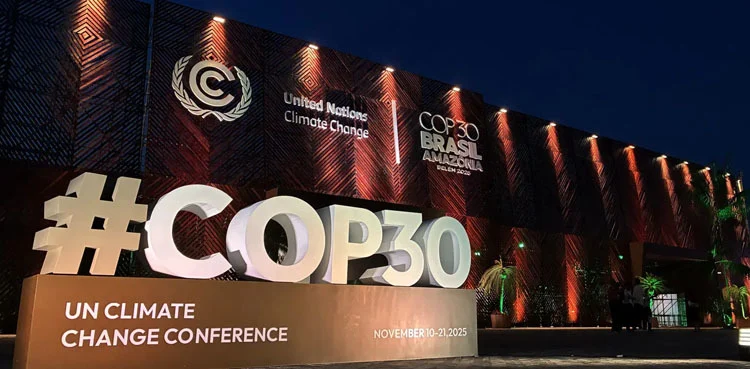
Pakistan sent one of the clearest messages at COP-30 in Brazil: if global climate finance systems aren’t fixed quickly, the world’s most vulnerable countries will keep paying the highest price for a crisis they had little to do with. The speech by Finance Minister Muhammad Aurangzeb made clear both Pakistan’s leadership and its harsh reality. He announced Pakistan’s first green Panda bond, which is expected to be available before February 2026. This made Pakistan not just a passive recipient of help, but an active player in creating the next generation of climate-related financial instruments. He stressed, though, that this national goal cannot take the place of the international changes that are needed to make sure climate finance is available, timely, and predictable. The message was clear at COP-30: countries that are vulnerable to climate change are ready to scale up solutions, but the global systems aren’t providing the money they need to do so.
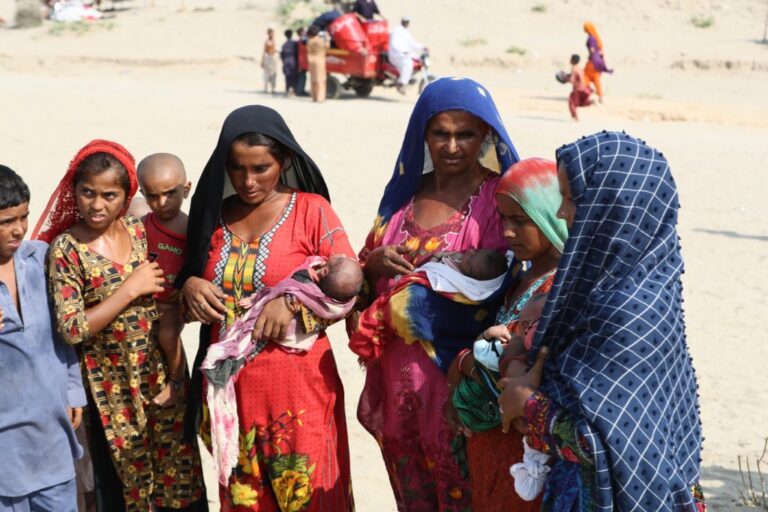
Pakistan’s call has moral and political weight. Pakistan is always in the top ten most climate-vulnerable countries, even though it emits less than one percent of the world’s greenhouse gases. The country’s exposure is not just a theory; it is a real-life situation. Extreme heat, melting glaciers, floods that break records, and long periods of drought have already caused billions of dollars in economic losses and put millions of people in need of help. In this case, international climate finance is not a diplomatic favor; it is a matter of climate justice. The imbalance is clear: countries like Pakistan, which have historically emitted the least, bear an unfair amount of climate effects and must now deal with adaptation and resilience efforts without enough help from the rest of the world.
At COP-30, Pakistan was able to make a point that should guide all future climate talks: fairness cannot just be a talking point; it must be built into how climate funds are set up, approved, and given out
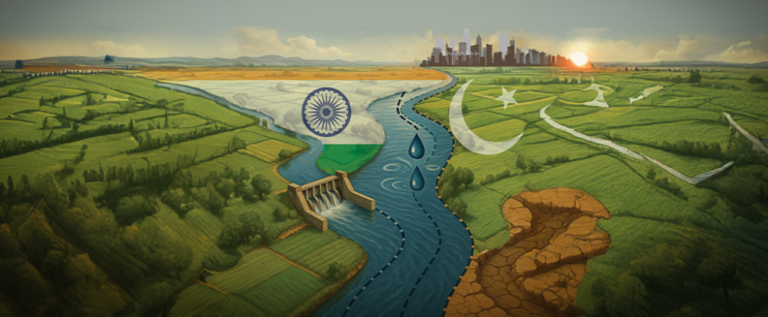
The Indus Basin is one of the most climate-stressed river systems in the world and is Pakistan’s lifeline. It shows the stakes more clearly than most other places. Glacial melt that is becoming more unpredictable, monsoon patterns that are becoming more erratic, and water shortages that are getting worse are all threatening the food security of almost 250 million people in Pakistan and the communities downstream. More generally, these kinds of pressures could put the Indus Waters Treaty (IWT) at risk. The IWT is a rare example of long-lasting water cooperation between two nuclear-armed neighbors that was signed in 1960. Aurangzeb was right to say that climate change is now testing the treaty in ways that its creators could never have imagined. It is not only important for regional stability to protect the IWT; it is also important for the whole world. To make the Indus Basin more resilient to climate change, countries around the world need to work together to invest in it. Pakistan says that this support needs to be sped up and made less political.
Pakistan has already shown what can happen when funding matches the country’s skills and local creativity. Ecosystem-based adaptation can work on a large scale, as shown by projects like the award-winning Living Indus Initiative, the Billion Tree Tsunami, Recharge Pakistan, and large-scale mangrove restoration. These programs have made the environment more diverse, lowered the risk of flooding, brought back to life, and created jobs in the green sector. When climate finance really gets to the ground, Pakistan delivers. This is a clear message from these successes.
Pakistan has shown that it can carry out dozens of bankable adaptation and mitigation projects, and it is ready to do even more if the international system does its part
Pakistan’s leaders are willing to try new things in the new climate-finance markets, which is one reason why they are leaders. The country has become an early mover in Islamic climate finance by issuing green sukuk, which have attracted private investment for clean infrastructure and renewable energy. The upcoming green Panda bond is another big step forward. It shows that people have faith in Pakistan’s regulatory systems and its ability to attract a wide range of investors. Also, Pakistan’s proactive approach to participating in the carbon market makes it one of the few developing countries that is building a complete climate-finance system instead of just relying on international grants. These new ideas go against old ideas about countries that are vulnerable to climate change. Pakistan is not waiting for handouts; it is making new ways that others can follow.
But even the best tools can’t fix a broken global climate-finance system. Countries on the front lines are now facing some of the biggest problems with the Green Climate Fund (GCF) and the Loss and Damage Fund. These include delays and bureaucratic bottlenecks. Pakistan’s experience, which is common in many developing countries, shows a system where approvals take years, payments are irregular, and administrative requirements don’t always match up with what is actually happening on the ground. These kinds of inefficiencies make it harder to be resilient and put vulnerable people at risk of more severe climate shocks.
Pakistan’s call at COP-30 was therefore a plea for pragmatism: make things easier, trust partners who have been approved, and make sure that approved funds lead to quick, measurable adaptation outcomes
The stakes are much higher than just Pakistan. Not only is timely climate finance important for national adaptation planning, but it is also important for keeping regional stability based on fragile water-sharing agreements like the Indus Waters Treaty. As climate stress gets worse, the chance of tension across borders also goes up. So, helping Pakistan be strong is the same as keeping peace in South Asia. If done quickly and fairly, international cooperation can strengthen cooperative water management and stop climate change from making things unstable between neighboring countries.
COP-30 showed us what global climate leadership should look like: a weak country taking big risks to come up with new ideas while demanding that the international system change to meet the needs of the crisis. Pakistan has projects that can be funded, proven skills, and the will to do so. The world needs to follow through on this promise now. In the next few years, we’ll see if climate finance can go from being a dream to being a reality. The cost of doing nothing is just too high for Pakistan and the millions of people who live along the Indus Basin.

