

PLA and Pakistan Mark China Army Day
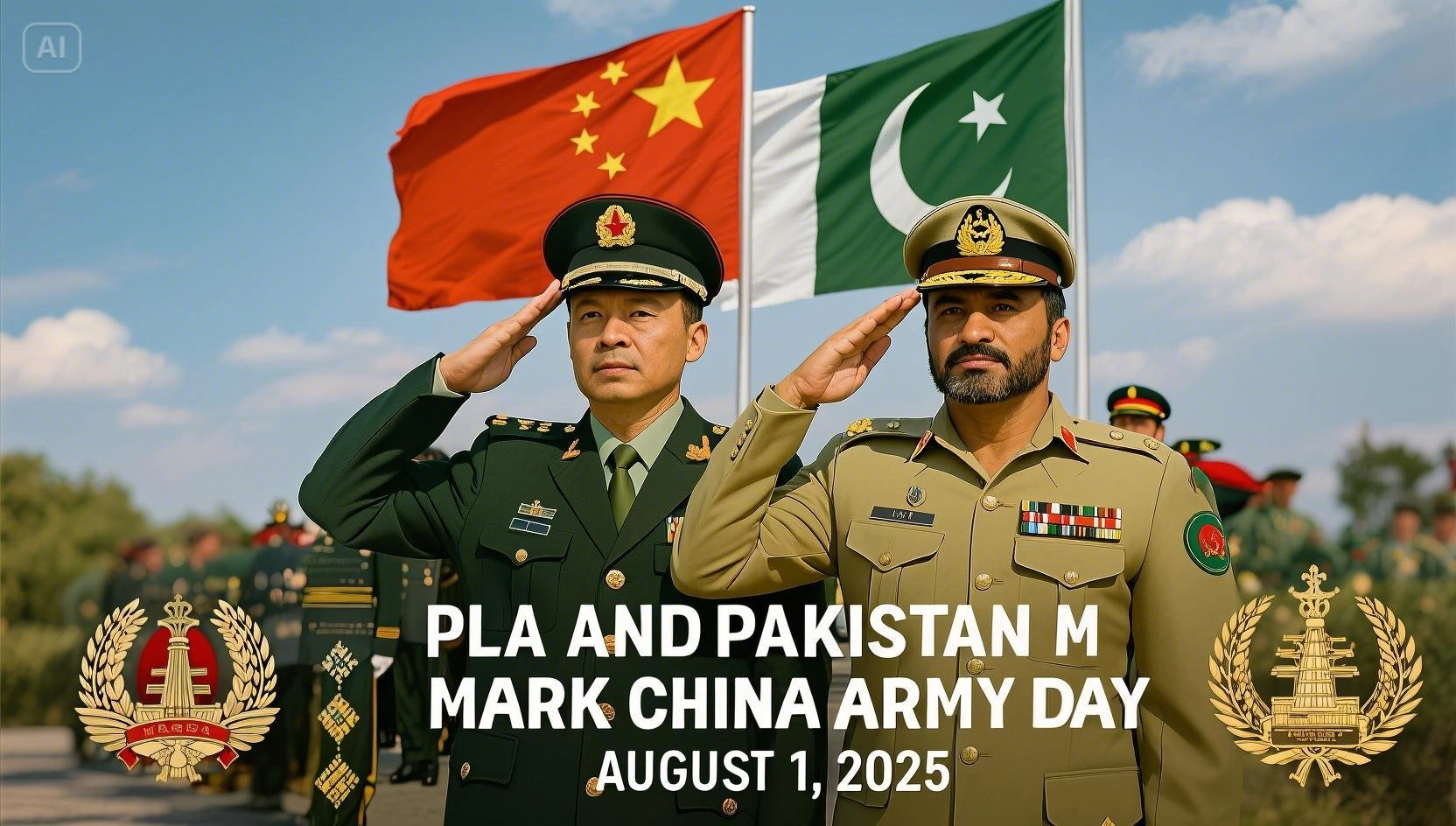
PLA and Pakistan Mark China Army Day
The 98th anniversary of the People’s Liberation Army (PLA) on August 1, 2025, has a special significance far beyond the borders of China. It evokes pride and nostalgia in the hearts of many. The origins of the PLA can be traced back to the Nanchang Uprising of 1927 which marked a turning point in the history of China as the Chinese communists staged the first armed attack against the Nationalist government. This incident was the sprout that became an integrated army. Decades later, the PLA emerged as among the most potent and best equipped armed forces anywhere in the world. Even with its centenary year in sight, the PLA has become more than a representation of national defense; it is one of the most influential regional stability organs and global peacekeeping agents.
National Defense to World Peace
Whereas in the international community modern military forces are mostly considered to be linked with power projection and regional superiority, the Chinese leadership of Xi Jinping has been clear that the principal policy of the PLA is defensively oriented. Nevertheless, defensiveness is not to be confused with isolationism.
The PLA has extended its scope to international peace and stability by going beyond homeland security. In the last 30 years China has been sending to all over Asia, Africa, and Middle Eastern UN-approved missions over 50,000 peacekeeping soldiers.
This pattern of level contribution has not only shown China as having greater global responsibilities but also increased the transformation of the PLA into a force that can be depended on when it comes to peacekeeping, natural calamity, and humanitarian aid.
Pakistan–China Military Collaboration
The strategic relationship that the PLA has fostered is one of the most important being the relationship between the PLA and the Pakistan Armed Forces. What started as a classical military alliance has now turned into a cross-domain strategic partnership. It encompasses joint training, technology exchange, intelligence exchanges, and even coordination on counter-terrorism as well as the use of sophisticated arms manufacturing. This cooperation between the two militaries has continued to increase over time and even more so due to the emerging security factors in the region. The friendly military ties between the PLA and Pakistani Armed Forces are not symbolic but highly operational and often demonstrated in the forms of joint drills of the highest tier and military-to-military engagements.
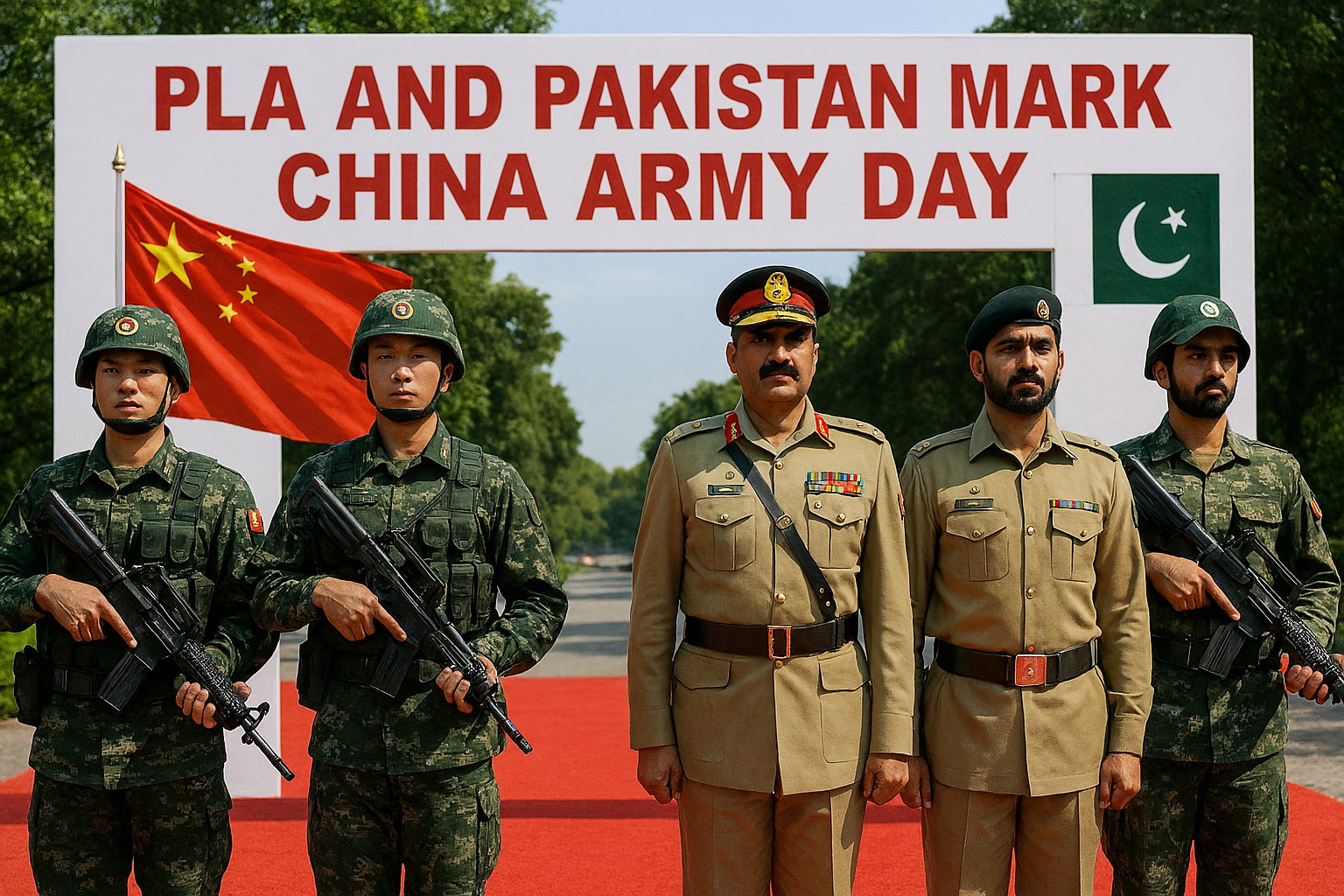
Joint Technological Advantage
This alliance has been successful as seen in its recent developments in joint defense production. The JF-17 Thunder fighter jet co-developed with Pakistan, as well as the fact that Pakistan purchased China’s J-10C fighter were the determining factors in the Indo-Pak Conflict of 2025. Not only did these planes give Pakistan an upper hand in the battle, but they also marked a new generation in air power dynamics of the region. In addition, PNS Tugrik being a Chinese Type 054A frigate design is a marker of high-edge naval collaboration. It is among the technologically enhanced ships owned by the Pakistan Navy, boosting maritime defense capabilities as well as the security of important sea lines in the Indian Ocean.
The Role of PLA in Regional Stability
To Pakistan, the emerging military role of China is not perceived as a threat but rather as a stabilizing power in the more polarized global world. With the international system struggling with uncertainties of trade wars and military blocs to the emerging threats of cyber warfare and regional armed insurgencies, the increased PLA preoccupation with joint training, international relations, and peacekeeping is welcomed in Islamabad. On multiple occasions the Pakistan Army has recognized the commitment of the PLA to peace and openly congratulated its work in making China the stronghold of regional stability, economic integration, and advancement in technology. It is especially important in South Asia where the position of external stabilizers is even more significant due to changing alliances and unresolved conflicts.
Future of Strategic Alignment
In prospect, the role of the China–Pakistan military alliance will enhance more intensively as the two nations match their defense concerns with common geopolitical realizations. The doctrines on the modernization of defense systems based on the use of artificial intelligence, cyber capability, and space-borne surveillance units are likely to balance the developments of the defense policy of Pakistan. The combination of these is a strong barrier to regional adventurism and helps in efforts towards international peace. The military capabilities of China, based on discipline and restraint combined with Pakistan’s strategic location as well as the experience that the military has undergone in battles, makes up a joint force that assures peace.
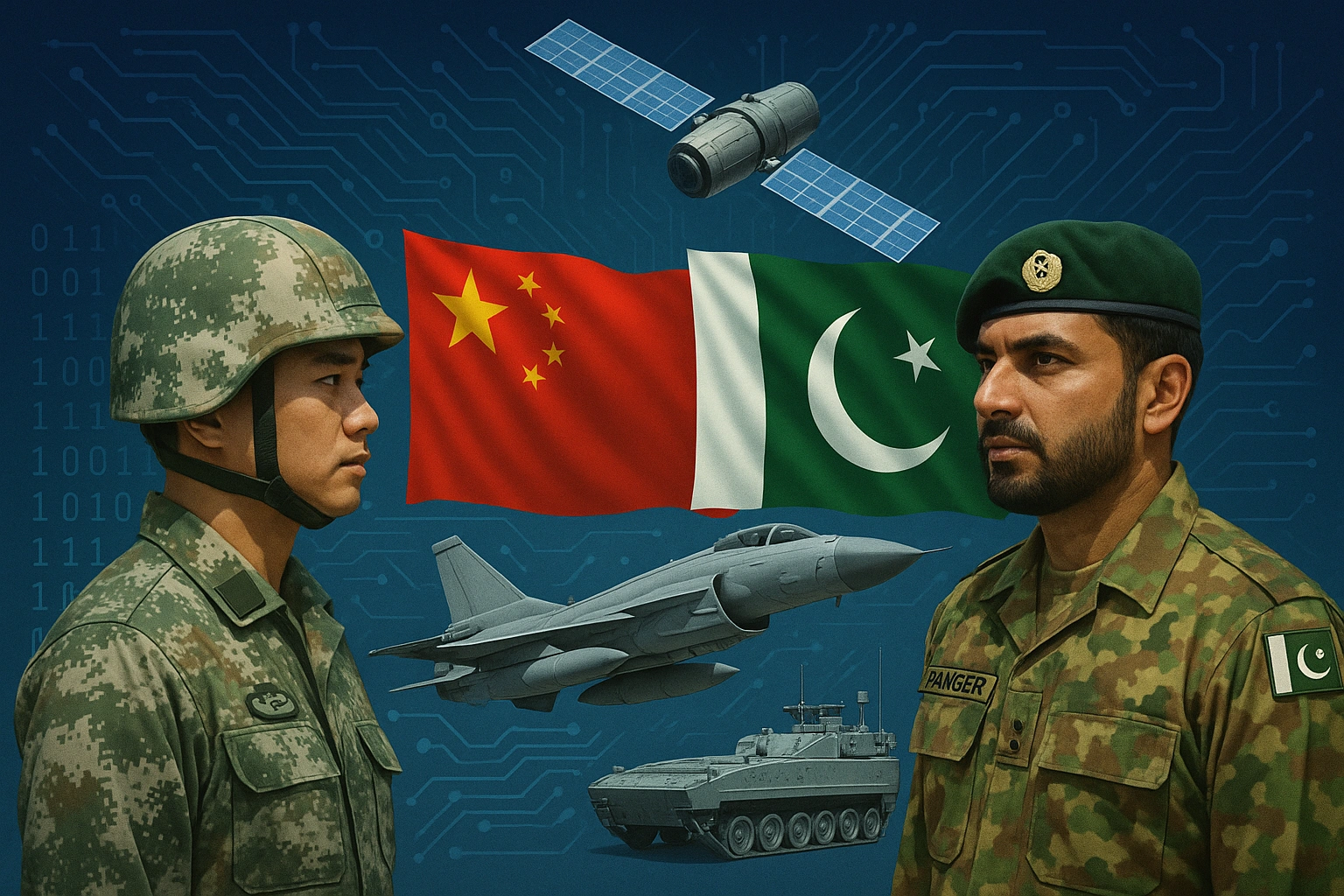
PLA as a Stable Symbol
With the 98th anniversary of the PLA in China, what the rest of the world should remember is that military power does not always imply aggression. In the case of China, particularly because of its close relationship with Pakistan, the PLA is staking claim to being a global peace maker.
Be it through the defense of territorial integrity, defending allies, taking part in UN missions, or promoting technological progress, the PLA is redefining how military powers are being used in the 21st century.
And having Pakistan as an ally is an indicator of hope for a more balanced and peaceful future in the Asian region and beyond.
Disclaimer:
The views and opinions expressed in this article are exclusively those of the author and do not reflect the official stance, policies, or perspectives of the Platform.

