



Reality of the Afghan Regime’s Drone Claims
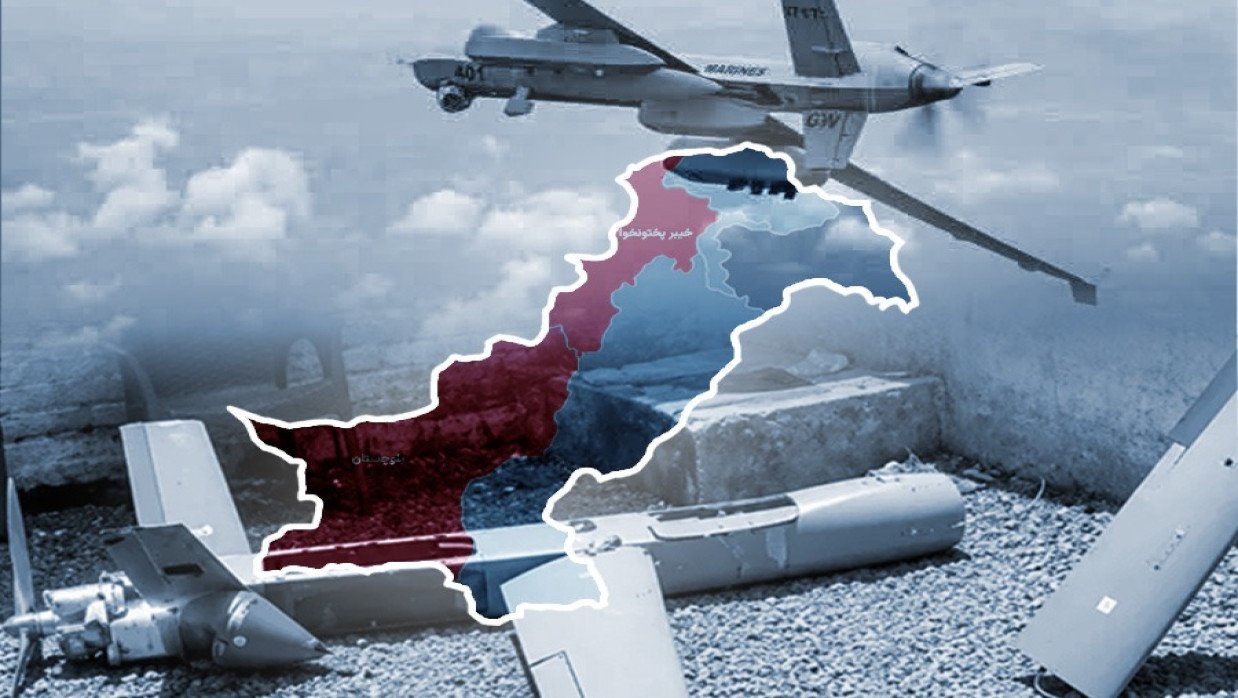
The latest drone episode along the Pakistan-Afghanistan border shows that modern conflict is fought with weapons and narratives. On 30 June 2026, Pakistan said four rudimentary drones were launched from Afghan territory into Balochistan. According to Pakistan’s military, the aerial platforms were detected by the country’s air-defence network and neutralised before causing damage. The Afghan Taliban’s defence ministry, however, attempted to present the episode as successful “air strikes” against alleged ISIS positions in Balochistan and Khyber Pakhtunkhwa. The contrast between the two accounts is striking: Pakistan reported interception and failure, while Kabul announced battlefield success without providing verifiable proof.
The Afghan regime’s claim appears designed primarily for political consumption. It followed Pakistan’s strikes against suspected militant facilities in eastern Afghanistan after a deadly attack in Karachi linked by Pakistani authorities to Jamaat-ul-Ahrar. Kabul therefore had an incentive to demonstrate retaliation and restored deterrence. Announcing attacks on ISIS hideouts inside Pakistan allowed the Taliban to appeal simultaneously to domestic nationalist sentiment and an international audience concerned about transnational terrorism.
Yet the timing also suggests an effort to shift attention away from questions about militant sanctuaries inside Afghanistan and the regime’s ability, or willingness, to confront them
Credible military claims require more than broad declarations. Governments conducting successful precision operations usually identify the target area, explain the operational objective and eventually provide corroboration, such as imagery, coordinates, damage assessments or confirmed identities of those killed. The Taliban’s statement reportedly referred only to alleged ISIS targets in the vast provinces of Balochistan and Khyber Pakhtunkhwa. Such sweeping geographical references are not evidence; they are messaging. No precise target locations, names of alleged commanders, verified casualty lists or independently authenticated strike footage accompanied the announcement. Without those details, the statement reads less like an operational briefing and more like a propaganda communiqué.
The absence of independent confirmation further weakens Kabul’s narrative. Public reporting established that the Taliban claimed strikes and that Pakistan said four drones were intercepted, but it did not produce satellite imagery, eyewitness testimony or credible ground reporting demonstrating that ISIS facilities were hit. In information warfare, unsupported claims travel quickly, but repetition does not transform assertion into fact.
Until evidence emerges, the burden of proof remains with the party claiming military success
The political purpose behind the drone narrative is also clear. By claiming that terrorist hideouts exist in Pakistan and that Afghan forces are acting against them, the Taliban seeks to reverse the established regional conversation. Kabul wants the world to believe that insecurity is being exported from Pakistan into Afghanistan, while the Taliban stands as a responsible counterterrorism actor. That portrayal is difficult to reconcile with continuing international concern about armed groups operating in and from Afghanistan. At the United Nations in June 2026, the United Kingdom called for decisive action against terrorist groups operating from Afghan territory while also urging de-escalation between Afghanistan and Pakistan. The concern is therefore part of a wider security assessment.
The regime’s external messaging also diverts attention from its deepening domestic crisis. Afghanistan remains under scrutiny for restrictions on women and girls, curbs on education and employment, repression of media freedom and arbitrary detention of critics. Human Rights Watch reported in February 2026 that Taliban repression had intensified, including new restrictions on women’s movement, public participation and access to education, alongside tighter controls on the media. A confrontational external narrative offers the regime a familiar political escape: manufacture an outside threat, mobilise nationalist feeling and reduce space for discussion of internal governance failures.
Pakistan’s position has consistently been that Kabul must prevent Afghan territory from being used by groups launching attacks across the border. Islamabad has repeatedly demanded action against militant sanctuaries and argued that dialogue cannot succeed without enforceable counterterrorism commitments. Kabul may reject these accusations, but denial is not a substitute for transparent action.
Nor can theatrical drone launches compensate for the absence of a credible mechanism to identify, disarm and dismantle organisations threatening neighbouring states
The episode should therefore be understood for what it is: a failed tactical venture wrapped in an inflated strategic narrative. Pakistan’s reported interception of all four drones demonstrated operational vigilance, while the Taliban’s subsequent claims attempted to convert failure into propaganda. Such messaging may satisfy supporters for a news cycle, but it cannot reshape facts on the ground or erase international doubts about Afghanistan’s security environment.
The Afghan Taliban must recognise that information warfare cannot replace responsible state conduct. Regional stability requires verifiable counterterrorism action, respect for sovereignty and serious diplomatic engagement, not ambiguous claims broadcast after provocative cross-border activity. Pakistan has both the right and capability to defend its territory. Any future violation should be answered swiftly, proportionately and decisively, while diplomatic channels remain open to prevent uncontrolled escalation. The enduring lesson is simple: credibility is built through evidence and responsible action, not declarations unsupported by facts.

