

Russia Rings the Alarm Bell
Russia’s renewed alarm over the rising influence of terrorist groups in Afghanistan has once again placed regional security under a harsh spotlight. At a recent UN Security Council committee briefing, Russia’s Ambassador Vassily Nebenzia delivered a stark message: Daesh militants in Afghanistan are not just regrouping, they are expanding, adapting, and positioning themselves as an alternative power capable of destabilizing the broader region. His warning may be politically charged, but it cannot be divorced from the complicated reality unfolding on the ground. The situation in Afghanistan today is a mixture of uncertainty, fragmentation, and unpoliced territory, offering fertile soil for extremist groups eager to reestablish themselves.
Nebenzia emphasized that Daesh’s growing presence is not merely the result of internal recruitment but is being fueled by foreign financing and the arrival of hardened fighters with battlefield experience from Syria and Iraq. This influx of seasoned militants has transformed Daesh’s Khorasan branch into a formidable entity, one capable of high-profile attacks, strategic operations, and outreach beyond Afghanistan’s borders. Russia fears that the group’s ambitions extend into neighboring Central Asian states, where fragile governance structures and socio-economic challenges could make them susceptible to infiltration.
What is worrying Moscow even more is that these militants are deliberately provoking tensions, seeking not just survival but influence, dominance, and legitimacy as a radical alternative to the governing authorities in Kabul
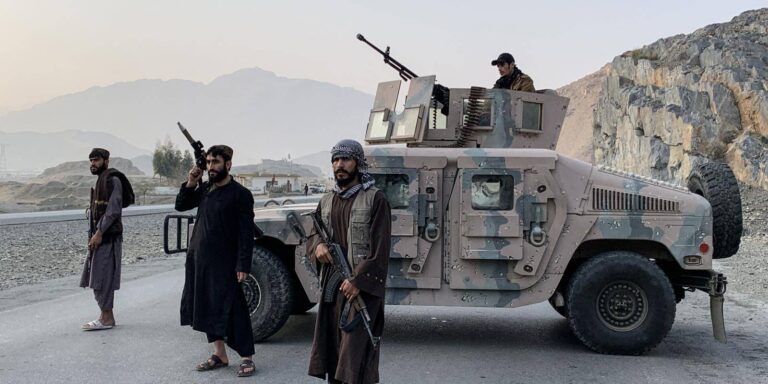
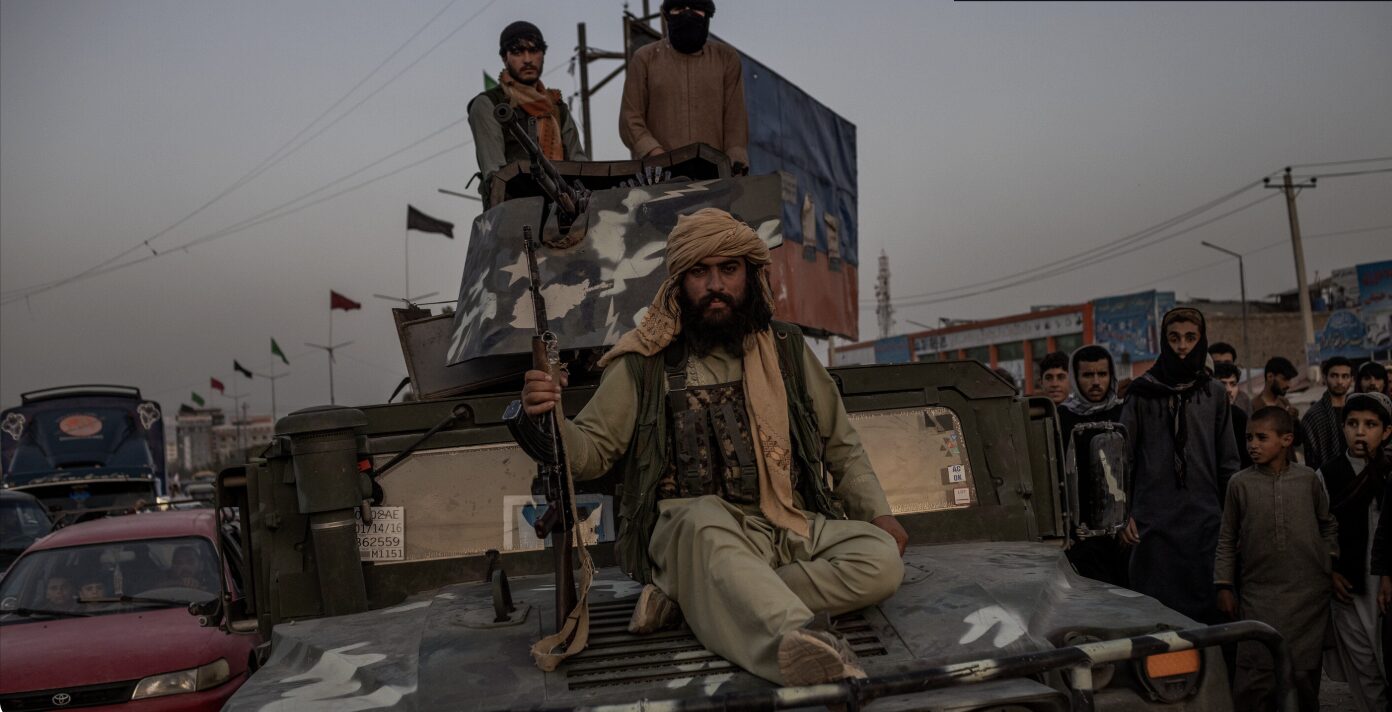
A core element of Russia’s warning concerns the vast arsenal of weapons left behind after the withdrawal of Western forces. From rifles and ammunition to armored vehicles and communication systems, these tools of war remain scattered and, in many cases, unmonitored. Their potential transfer into the hands of extremist organizations represents a serious risk. These weapons could empower militant groups to launch more sophisticated attacks, threaten border security, or even destabilize governments across the region. The mere possibility of such equipment being used by Daesh only amplifies Moscow’s insistence that Afghanistan’s internal security cannot be taken lightly.
Russia’s concerns do not exist in a vacuum. Moscow has long been wary of extremist movements gaining momentum near its sphere of influence. The Kremlin views Central Asia as a critical buffer zone between Russia and the turmoil of South and Southwest Asia. The fear that extremist ideologies could seep across borders, inspiring radical movements or inciting violence, is a nightmare scenario for Russian policymakers. Hence, Nebenzia’s grim assessment that “there is a clear risk of terrorist activity spilling over to Central Asia and beyond.” This is not just a diplomatic remark; it is a strategic warning rooted in history, geography, and Russia’s own experiences with domestic extremism.
In response, Nebenzia called for comprehensive measures to dismantle terrorist networks operating in Afghanistan and prevent the country from being used as a platform for attacks against other states. His call underscores the international community’s dilemma: how to engage with Afghanistan’s current rulers to ensure security cooperation without offering formal recognition or undermining political principles.
While some may interpret Russia’s statements as a geopolitical move to expand influence or criticize the West, the broader message is one that resonates across multiple nations: terrorism remains a shared global danger, and Afghanistan remains a potential breeding ground
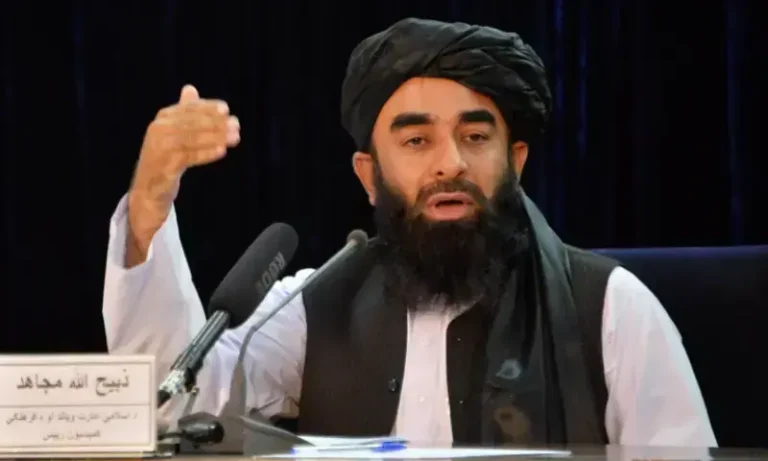
Meanwhile, the Islamic Emirate has dismissed Moscow’s warnings, reassuring the world that Afghan soil will not be used against any nation. Their insistence that the threat is under control is predictable, but it does little to ease regional anxieties. Observers and intelligence agencies frequently note discrepancies between the Emirate’s assurances and the realities reported on the ground. While the Emirate may indeed be attempting to curb Daesh’s influence, the ideological rivalry between the Taliban and Daesh makes the situation more complex. Daesh views the Islamic Emirate as an adversary rather than an ally, competing for legitimacy, recruits, and territorial influence. The Emirate’s assurances may reflect intention, but intention alone is not enough in the face of a terrorist network that thrives on instability and resistance.
Russia’s warning can also be interpreted as part of a growing pattern of geopolitical recalibration. With the West largely disengaged from Afghanistan, regional players such as Russia, China, Iran, and Central Asian states are increasingly shaping the discourse around security concerns. Moscow’s involvement serves both as a strategic necessity and a diplomatic opportunity to assert itself as a key regional actor.
Whether one agrees with Russia’s broader geopolitical motives or not, its concerns about terrorism in Afghanistan align with those of many nations facing the looming threat of cross-border extremism
The broader question now facing the international community is how to address the rising threat without slipping back into the cycle of foreign intervention, military operations, and nation-building attempts that defined Afghanistan for two decades. What is required instead is a calibrated approach, one that includes diplomatic engagement with Kabul’s authorities, targeted intelligence cooperation, regional counterterrorism partnerships, and pressure to ensure that Afghanistan is not allowed to once again become a sanctuary for extremist groups.
Russia’s warning deserves more global attention than it has received. The magnitude of the threat is not hypothetical; it is grounded in evolving realities. Daesh’s expanding presence, foreign financing, the influx of battle-hardened fighters, and the availability of advanced military equipment form a dangerous combination that could reshape Afghanistan into a hub for international terrorism. The world has witnessed the consequences of ignoring such warnings in the past. This time, policymakers cannot afford complacency. Whether driven by strategic interest, security concerns, or political rivalry, Russia’s message carries an unmistakable truth: Afghanistan stands at a crossroads, and the world must decide whether to act proactively or wait until the threat becomes impossible to contain.