

Sexual Abuse Allegations & Indian Army Harassment
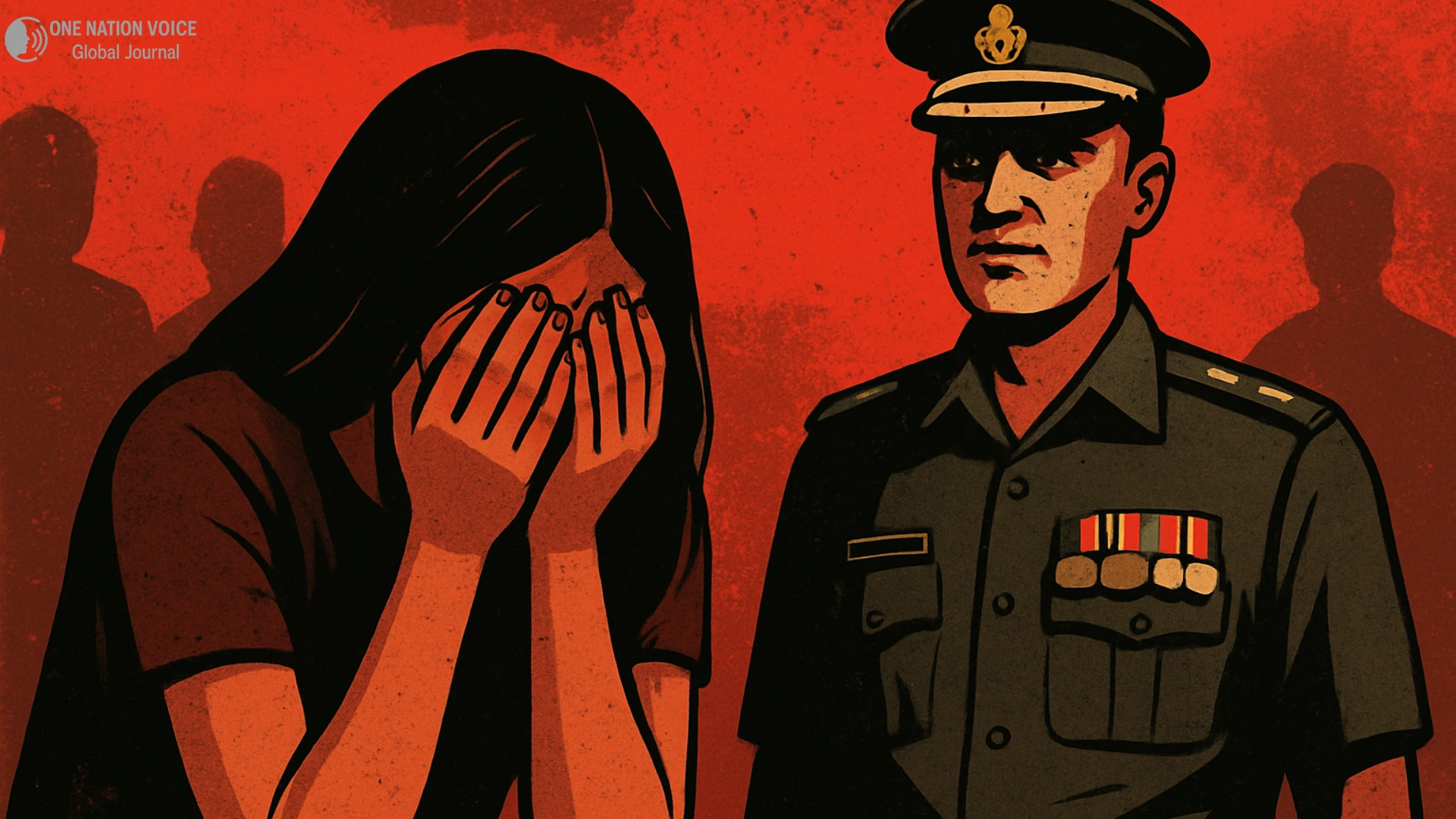
Colonel Amit Kumar Sexual Abuse Allegations & Indian Army Harassment Cases
Alarming Culture
The recent charges leveled by retired Colonel Amit Kumar have brought to the limelight a highly disturbing trend that is prevalent in the Indian Army that is an unhealthy culture of sexual harassment and abuse. Kumar’s disclosure that his wife was raped by high-ranking Odisha officers, and the subsequent cover-up is a grave institutional misrepresentation. This is not an exceptional case. Instead, it is the manifestation of a wider set of systemic problems that can be traced within the force over the years. These cases are an indication of a severe problem that began decades ago and has regularly faced an inadequate institutional response. The incident with the wife of Colonel Kumar represents a pervasive culture of impunity as the victims tend to be intimidated and besmirched rather than protected and assisted.
The case represents only one of the major issues that women encounter in the Indian Armed Forces.
In 2015 a 26 year old female officer of Indian Army Signal Corps in Rajasthan lodged comprehensive charges of sexual harassment against her commanding officer.
The army did not act until months after having prima facie evidence. Such delay only added up to the trauma that this victim experienced to a point when she was compelled to seek justice with the Defence Minister of India. The experience revealed major weaknesses in the way the army seriously addresses harassment grievances and casts a doubt on the interest of top army officer in safeguarding female officers.
Similarly in the case of Captain Poonam Kaur 2008, the case follows this victim blaming trend. Kaur of the Army Service Corps claimed that she was mentally and sexually harassed by three officers.
A widely publicized army investigation controversially ruled that she had made false allegations. This bit of results was highly condemned as victimization and this proved the hardship women had in seeking redress through the military framework. Moreover, the above incidences involving women officers and that of the wife of veteran Colonel Kumar confirm that sexual violence is not only the issue facing non-military people. It is even a problem within the force itself, which affects the personnel who serve and their families. This requires immediate and serious consideration. The system also seems prioritizing safeguarding its reputation and issues of the senior officers within the system as opposed to seeing that justice is served the victims.
A Traumatic Historical Past of Violence
In addition to instances of sexual violence on an individual level, there is also a neurosis of mass sexual violence during military operations as occurs in Kashmir.
The most infamous one is of the 1991 incident in Kupwara district of Kashmir where during a search operation, gang rape of multiple Kashmiri women by Indian soldiers has been alleged.
First Information Reports filed at the initial phase numbered 23 women, although rights groups estimate that the number of victims may go up to 100. After all the documentation and outcry, accountability is yet to be achieved at the international level. The absence of justice reveals an institutional shortfall, failure to acknowledge sexual violence against civilians in military operations. Along with other reported cases in Kashmir and Northeast India, these atrocities date to the early 1990s and are ongoing over decades. These cases suggest that there are some prevalent patterns of abuse intimidation and total absence of justice to victims. The inability to bring the perpetrators of such ghastly crimes at a higher level is associated with the institutional collapse.
According to the official policy of the Indian Army, there is zero tolerance in such violations and investigations are carried out within the frames of law. Nonetheless, the situation as disclosed by various cases is quite different. Even when delays are covered up and investigations particularly headed by the involved officer then that is usually enormously delayed. These are also acts that concern the institutional responsibility and the security of not only the women soldiers but also of civilians. These manifestations about the historical instances coupled with the recent disclosures by Colonel Kumar create a poor picture of sexual violence that is deep rooted in Indian Army ranks. This has been necessitated by the need to turn around the current justice system in the military. It is not sufficient merely to claim a zero-tolerance policy. It should be supported with actions.
It is now time to make urgent and fundamental reforms. To start with there should be an independent agency to assist in all allegations of sexual abduction and harassment in the Indian army. This body must not be subject to senior officers at all and must consist of a proportion of military and civilian expertise including women’s rights activists. This would mean that investigations are open and just. In addition to this serious and immediate punishment that is to be imposed on the perpetrators irrespective of location or rank. The culture of impunity that the country is used to should be eliminated. The military will have to prove that nobody is above the law and the lives and dignity of the women are on top priority.
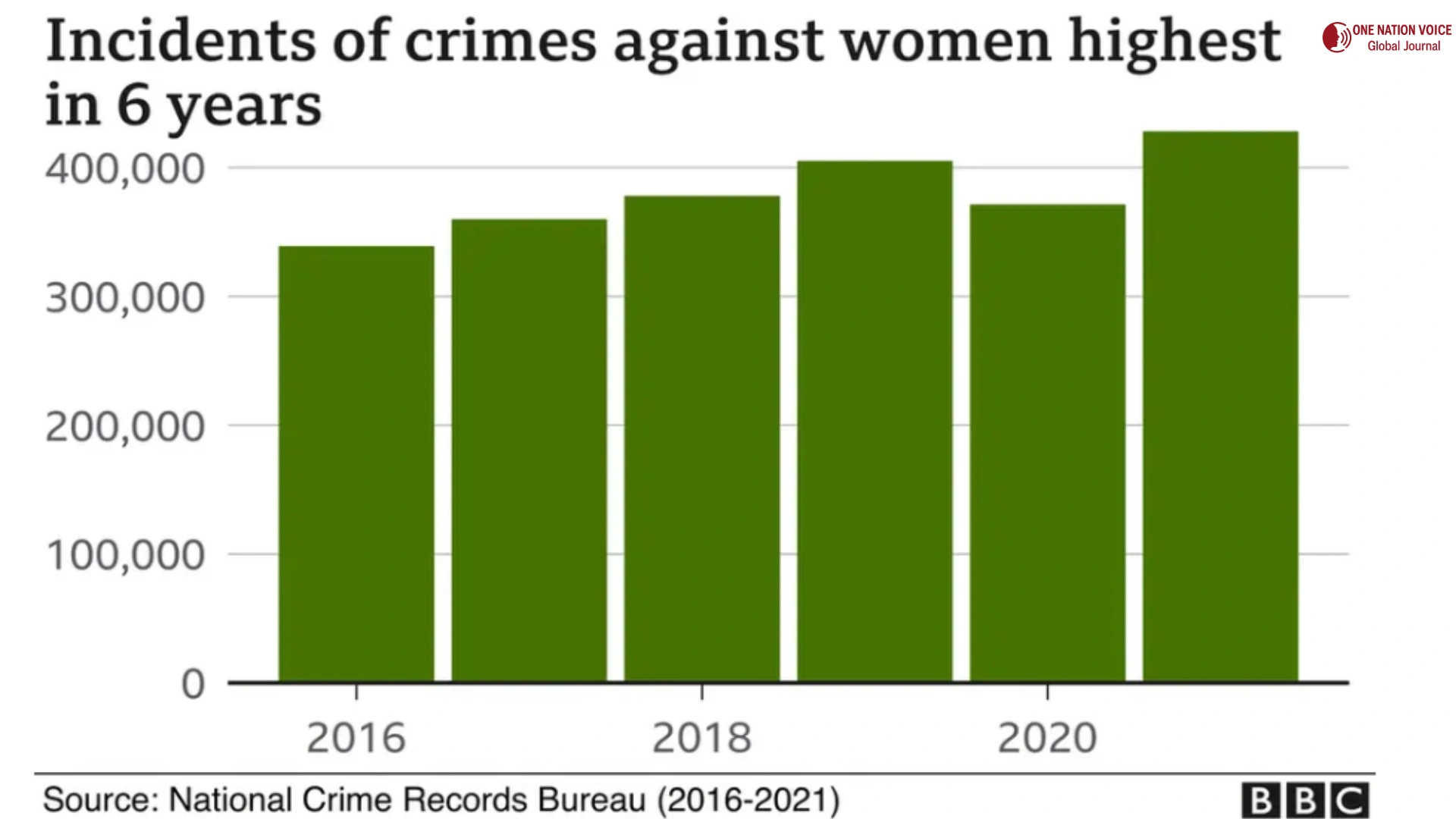
Particularly, second justice will have to be victim centered. The emphasis should be changed based on the institutional rather than on the victim. This is by offering them immediate psychological and medical services to preserve their privacy and not subjected to any kind of retaliation or blackmailing. The army needs to form an environment that is safe where people can emerge victims without having to fear reprisal. Third, the past and current incidences of sexual violence must be made publicly and transparently accounted. This would go a long way in restoring trust and indicate sincerity of intentions with respect to reforms. The Indian Army is a prestigious organization but it stands to lose credibility. The presence of Colonel Amit Kumar revelations and the incident which had occurred in the past of harassment and violence against women spoils its reputation. It is an hour of accounting. The moment to change is in hand. Unless the cycle of abuse and impunity stops through urgent and meaningful action the cycle will end tragically and unacceptably.
Disclaimer:
The views and opinions expressed in this article are exclusively those of the author and do not reflect the official stance, policies, or perspectives of the Platform.

