



The Changing Face of Europe

Right-wing nationalists have become much stronger in Europe over the past few years. The comeback of the right is transforming politics and conflict with the post-World War II belief in liberal democracy, uniting Europe, and acceptance of many cultures. The Changing Face of Europe It is important to look at the roots, reasons, and outcomes of the new wave of nationalism that is changing Europe’s identity, politics, and social life.
Nationalist parties and movements in Europe did not suddenly appear one day without any history. This situation occurs due to the way many economic, social, cultural, and political elements have worked together for a very long time. Basically, in modern Europe, nationalism mostly relates to upholding a country’s independence, keeping its identity, and fighting against global influences and large unions like the EU. This kind of nationalism supports what is seen as the best interests of the original inhabitants and generally criticizes immigration, having different cultures, and losing command over the country’s borders.
An important factor leading to the rise of nationalism is people’s fears about the economy. Issues in the financial sector in 2008 and the following debt crisis in the Eurozone exposed some serious flaws in Europe’s economy and rapidly affected many countries in the south and east. People’s discontent from being out of work, austerity actions, and little raise in wages helped populist parties’ promises to look after the country and shield its economy from external forces and rich people’s rules. A great number of voters turned to right-wing nationalists since they claimed to support the working class and the economy against the disappointments of regular politicians and the world economy.
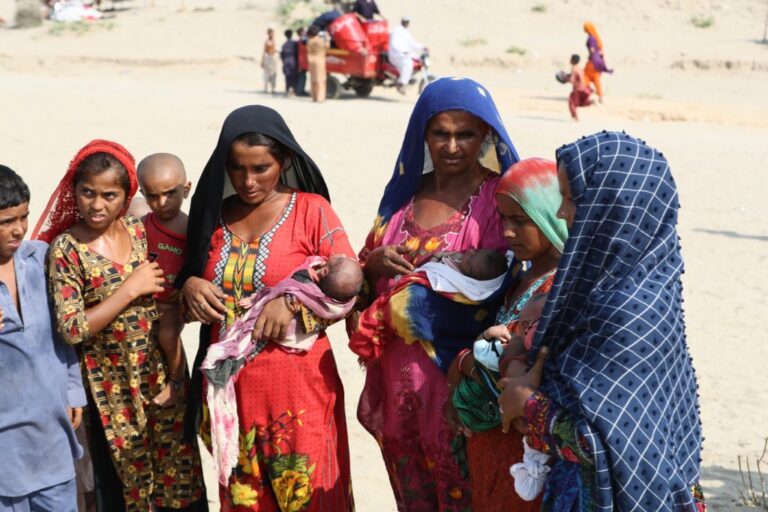
The massive migration of people in 2015 made nationalism more widespread in various European nations. Seeing large groups of Middle Eastern, African, and South Asian refugees and migrants caused people to be concerned about the safety of their communities, culture, and ways people get along. Parties on the right encouraged people to support stricter rules on immigration, safer borders, and preserving their cultural customs. They usually talked about migration as something that might endanger the nation’s character, economic balance, and security of the public. Many people in Europe identified with the story as they were unsure about the fast demographic and cultural changes around them.
Peace and togetherness used to identify the EU in Europe, but now it is being frowned upon by nationalists. As more people support nationalist groups, they have also become Eurosceptic, showing doubts or strong opposition to the European Union. Some people say that the EU takes away national independence by putting rules and policies in place that appear unsuited to what each state requires. The Brexit referendum in the United Kingdom accentuated this situation, since many the population voted to leave the EU, mainly because of nationalist and sovereignty arguments.
New victories in many European countries’ elections demonstrate the shifting political situation. In various European countries, the National Rally (previously National Front) in France, the AfD in Germany, the Lega in Italy, Fidesz in Hungary, and the PiS in Poland have become much more influential in public administration. Although the ideas and policies of these parties vary, they have nationalism in common, resist immigration, doubt the benefits of the EU, and support returning to the old national values and identity.
Nationalist groups gaining ground in Europe can badly affect how democratic the region is and the way diverse groups coexist. On the plus side, political parties demonstrate their willingness to respond to people’s real worries and problems, which other parties may have missed. These movements are designed to give recognition to people who struggle because of fast globalization and progress in society. At the same time, their advance has resulted in more aggressive rhetoric, increased nationalism, and threats to the liberal democracy that Europe has kept.
An important part of this surge in nationalism is the influence culture. Often, nationalist parties try to ensure there is only one common culture in a country to avoid any ideas of diversity in their communities. Because of this, people have had heated discussions about how people can be integrated, minority rights, and religion, mainly Islam, in European cultures. There are conflicts between human rights and the preservation of culture from nationalism within the EU and some European countries.
Reactions from traditional political parties and European institutions have changed from one country to another. Certain parties from the centre-left and centre-right have tried to use some nationalist words, which can make their ideologies less clear to people. Many have clearly opposed nationalist movements, pointing out the risks of damaging politics and possible authoritarian behaviour. It is no easy task for the EU to be democratic, unified, and respectful of each member state’s independence and unique political environment.
In addition, digital technology has increased the effectiveness of spreading nationalist ideas. Nationalist messages and conspiracy theories can easily reach many people online through social media networks and other websites, often without being checked by the media. Because of this, people’s conversations have become more divided, and people have come together in support of nationalist causes.
As nationalism goes on the rise, the future of Europe is yet to be decided. Societies and leaders in Europe must focus on the major reasons for nationalist anger, such as inequality, anxiety over traditions, and lack of political participation, and at the same time strengthen the democratic system. Open-minded talks and policies that accept the difficulties of blending cultures and identities will be very useful in addressing divisions.
Also, the continuing importance of nationalism world widely points to people’s growing focus on identity, independence, and cultural traditions within political matters. Europe is experiencing the very same conflicts between globalization and small-scale living, the need for unity and independence, and a mixture of different cultures versus a sense of belonging.
As a result, right-wing nationalist movements are strongly changing Europe. It opposes existing authorities in politics, causes a rethinking of Europe’s identity, and makes the anxious feelings of many European citizens about their future in a fast-changing world clear. Whether Europe manages to balance its national pride with democracy for all, economic justice with working with others globally is still one of the key questions for today’s world. Realizing the reasons for nationalism’s rise is important to design efforts and messaging that unite the continent instead of dividing it and to guarantee its stability and continued democracy.

