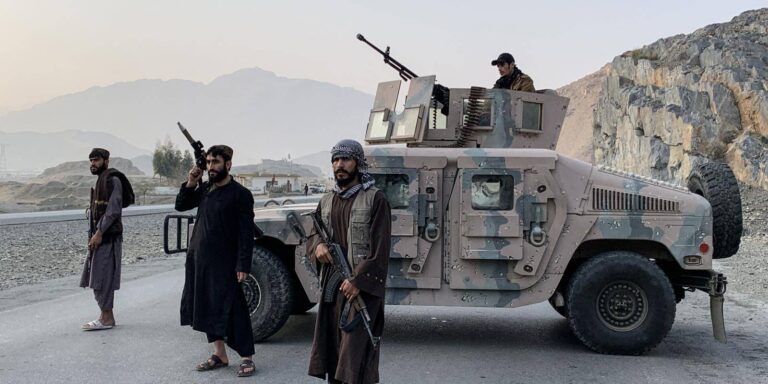
Balochistan is often discussed as if it is only a security file or a map problem. That framing is convenient for outsiders. It is also a gift to violent actors. When a place is reduced to a pressure point, people stop asking what life there looks like and start asking what the place can do for their side. In that shift, militants gain room to operate because the audience is trained to judge attacks by “impact” instead of by harm.
A lot of the recent noise around Balochistan follows a familiar pattern. Real grievances exist, and they deserve attention. But then an online layer wraps those grievances in a sleek narrative built for conflict consumption. Accounts that present themselves as pro-Israel, or aligned with Israeli strategic interests, have shared and boosted content that portrays Baloch dissidents as an ideal tool against Pakistan. Sometimes the posts look like activism. Sometimes they look like propaganda. Either way, the result can be the same.
The louder the story gets, the more it blurs the line between political dissent and armed violence, and the easier it becomes for violent groups to hide in the crowd
This is not about claiming every post is coordinated by a state. Most online amplification is messier than that. It can come from ideological networks, from diaspora disputes, from influencers who chase engagement, or from anonymous pages that copy each other until the narrative looks bigger than it is. But that mess still has direction. It rewards the most extreme content. It punishes nuance. It turns tragedy into a clip, and a clip into an argument. Militants understand this logic better than most governments do. They stage violence for visibility, then rely on sympathetic or strategic amplifiers to turn the act into a message.
Once the message is out, it does not need direct endorsement to help terrorism. It just needs a permissive atmosphere. A post that calls Balochistan a “front” in a regional contest does not have to praise an attack. It only has to imply that attacks are “understandable,” or “inevitable,” or “effective.” That subtle permission matters. It lowers the social cost of cheering violence, and it raises the social cost of condemning it. People who call out civilian harm get labeled as naive. People who share graphic content get labeled as brave truth tellers. The moral center shifts, little by little.
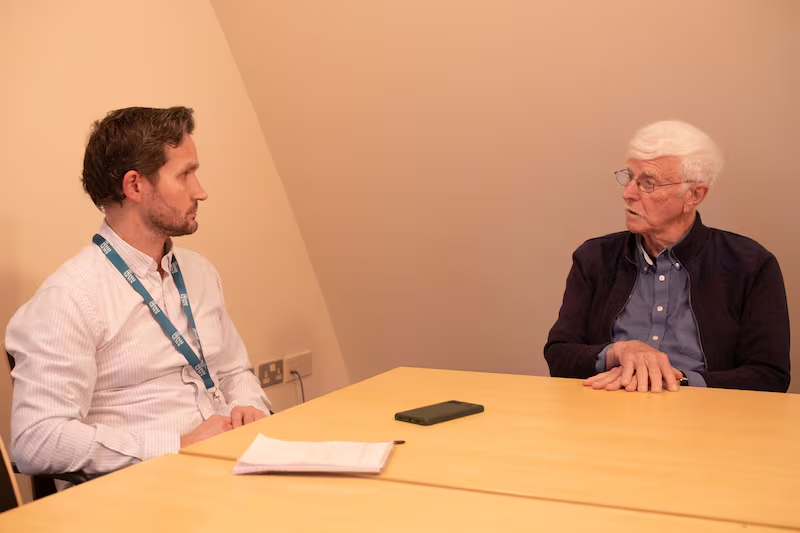
The claim by Dr. Haim Bresheeth Zabner, often described as a former IDF officer and Israeli historian, sits inside this wider fight over narrative. He has been quoted in regional debates as alleging that Israel backs Baloch militants targeting Pakistan. Those claims move fast, especially because they fit existing suspicions in Pakistan about covert pressure campaigns. But speed is not proof. In information warfare, the most dangerous claims are the ones that feel plausible and therefore stop people from demanding evidence. If the allegation is true, it should be proven with verifiable details.
If it is false or exaggerated, repeating it still harms the public space by deepening paranoia and making every local dispute look like a foreign plot
The same applies to the allegation that Fitna al Hindustan terrorists are supported by three states, India, Afghanistan, and Israel, against Pakistan. Many Pakistanis already see India as a hostile actor, and Afghanistan has been part of a long, painful security story. Adding Israel to the mix creates a single, tidy frame that explains everything. Tidy frames are emotionally satisfying. They are also risky. They can become a shortcut that replaces investigation, policy reform, and accountability. They can also be used to justify heavy-handed actions that hurt civilians, which then feeds the grievance cycle that militants exploit.
There is another problem here that gets less attention. When governments and publics focus only on foreign sponsorship, they often ignore the everyday mechanics of militant survival. Insurgent groups fund themselves through extortion, smuggling, kidnapping, and informal taxation. They recruit through fear and identity narratives. They fragment and rebrand when pressure rises. They also exploit state mistakes. If security forces use indiscriminate methods, or if political participation feels closed, militants gain propaganda. They point to every abuse as proof that peaceful politics is pointless. Foreign amplification can pour fuel, but the spark is usually local.
So what should change? First, stop treating online virality as a sign of legitimacy. Platforms and media outlets need stricter habits when handling conflict content. Do not repost militant statements as headlines. Do not circulate attack footage without a clear context. Do not use language that turns militants into romantic fighters.
If a group targets civilians, call it what it is. Violence against innocents is not a strategy; it is terror
Second, demand standards for evidence, especially when claims involve state backing. If someone alleges foreign sponsorship, ask for verifiable data. Names, dates, channels, money trails, and material support. If the claim cannot be supported publicly, treat it as an allegation, not a conclusion. This is not legal pedantry. It is how you keep a society from being steered by rumor.
Third, Pakistan needs to compete in the narrative space without drifting into blanket repression. Credible communication starts with credibility on the ground. People in Balochistan need protection, fair policing, and meaningful political representation. If disappearances and collective punishment are part of the story, then no media campaign will fix the trust gap. Militants thrive where trust collapses.
Regional actors should understand the long game. Even if some outsiders think supporting militant pressure is a clever move, the blowback rarely stays contained. Militant networks learn, adapt, and migrate. They create black markets, criminal ties, and cross-border channels that outlive any short-term geopolitical goal. Normalizing violence as a tool today can create a monster tomorrow that no one can control.
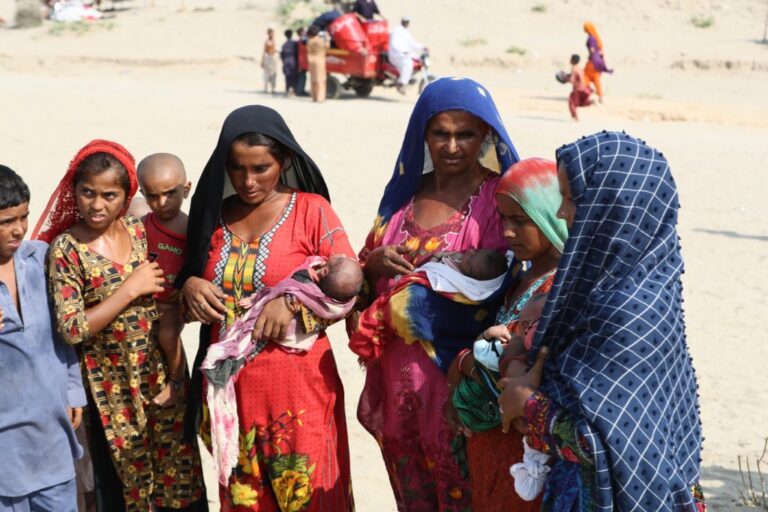
Balochistan is not a lever. It is a home to millions of people who deserve a future that is not written by militants or by foreign amplifiers. If the information environment keeps rewarding the most extreme frames, then terrorism gains oxygen, even without a single official endorsement. The safest choice for everyone is also the simplest: keep civilians at the center, separate dissent from violence, and treat unproven claims with the seriousness that evidence demands.