


The Truth About Diljit Dosanjh
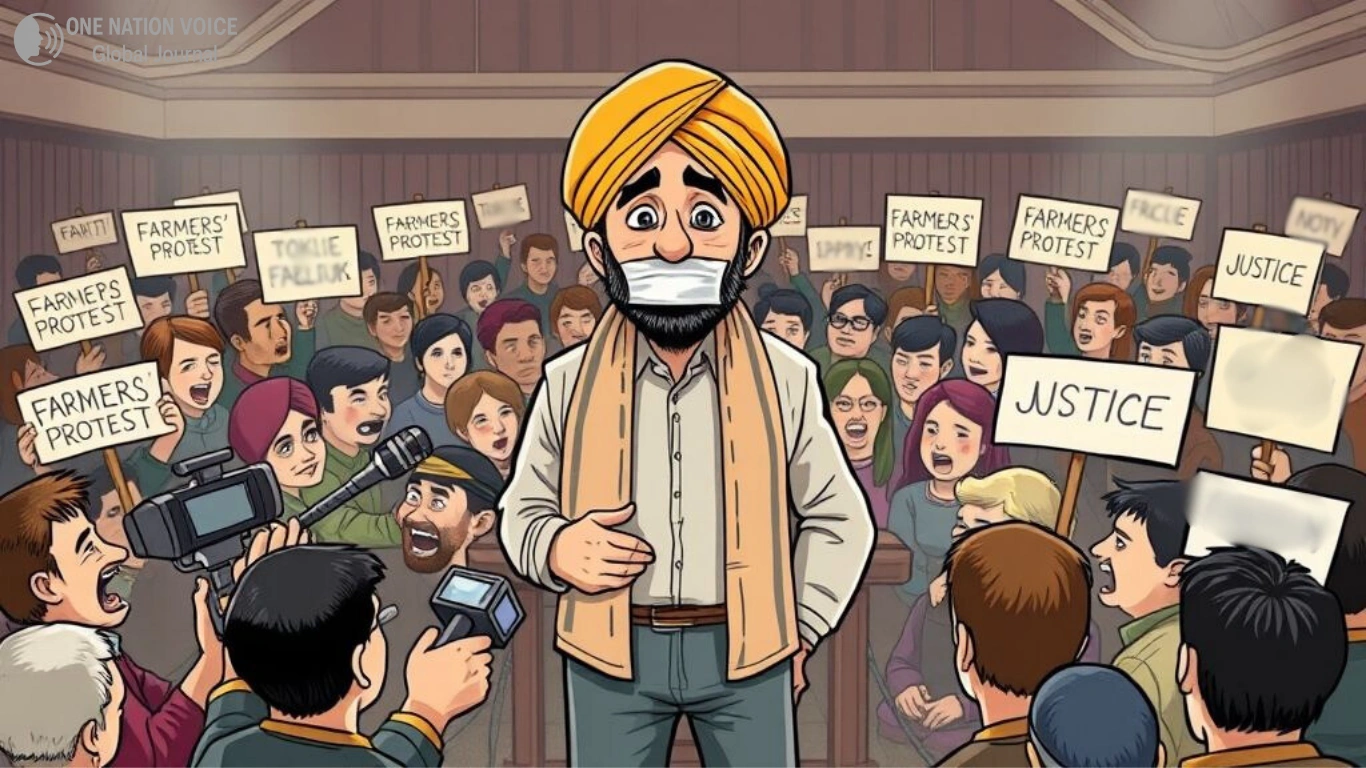
Why Are Sikh Artists Labeled as Traitors?
Following his remarks regarding the controversy surrounding his film Sardar Ji 3, Punjabi superstar Diljit Dosanjh has been the center of a storm in recent weeks. What started out as a smear campaign by certain sections of the Indian media has now grown into a more extensive discussion: Why Are Sikh artists frequently accused of being “traitors” for voicing their identities or bringing up uncomfortable facts?
Besides, the political hypocrisy of the Indian establishment as well as the systemic discrimination against Sikhs in India have been exposed by this controversy. Moreover, the silence and coerced submission of a whole community have once again been exposed by Diljit’s words.

The Controversy is Film vs. Propaganda
During a recent concert in Malaysia, Diljit Dosanjh broke his silence and directly addressed the propaganda campaign. He explained that his film Sardar Ji 3 was shot in February, while the Pahalgam attack occurred in April. Despite this clear timeline, the Indian media and government machinery aggressively linked the film to the attack, attempting to portray Diljit as disloyal.
He put it bluntly:
“My film Sardar Ji 3 was shot in February, and Pahalgam attack occurred later, but media created a storm around the film. They did everything they could to label me as a traitor. The film was shot before the attack, yet the cricket match is still being played after the attack!” So, this comparison exposed the double standards.
While cultural expressions by Sikhs are scrutinized and vilified, cricket matches with international teams continue without question even after violent incidents. Thus, entertainment becomes “anti-national” only when it involves Sikh identity.
The Manufactured Narrative Around the Pahalgam Attack
What truly angered sections of the establishment was not just Diljit’s defense of himself, but his refusal to endorse the official narrative. He said:
“We say that those responsible for the Pahalgam attack should be punished.”
But he stopped short of naming Pakistan, an omission that sent shockwaves through nationalist circles. His choice of words reflected a growing skepticism within India itself about the authenticity of government narratives.
Besides, experts have long suggested that the Pahalgam attack was exploited, if not orchestrated, to vilify minorities and stoke nationalist fervor.
Furthermore, this incident fits a disturbing pattern. The pattern involves false flag operations and selective targeting of Sikhs and Muslims whenever the ruling establishment needs to distract the nation from pressing domestic crises.
Silence as Survival
One of the most powerful moments in Diljit’s statement was when he told his fans:
“I have a lot to say, and I have all the answers to questions, but I remained silent. No matter what anyone tells you, don’t internalize that poison. I have a lot to say, but I chose silence.”
This was not just a personal admission but a reflection of the forced silence of the Sikh community. Every time Sikhs demand justice, whether during the farmers’ protests or in the aftermath of riots, they are branded as separatists. Hence, silence becomes a survival strategy in a country where speaking out can cost careers or even lives.

A Historical Pattern of Targeting Sikhs
The targeting of Diljit is not an isolated event. From the Delhi riots of 1984 to the farmers’ protests of 2020–21, Sikhs have been systematically portrayed as “anti-national” whenever they resist state oppression. During the farmers’ protests, peaceful demonstrators were smeared as “Khalistanis.”
Moreover, in Bollywood and music industries, Sikh identity is often exoticized or mocked, but when expressed with pride, it is viewed with suspicion.
Even cultural contributions are now reframed as acts of disloyalty, thanks to artists like Diljit. This is policy, not a coincidence. Thus, Sikhs are intentionally stigmatized, and their political voice diminished by being called “traitors.”
Scapegoating to Take Attention Away from Failings
A political strategy is at the core of this problem. India is struggling with rising social inequality, inflation, and unemployment. Rather than confronting these systemic shortcomings, the government and media turn to scapegoating minorities.
By painting Sikhs and Muslims as internal enemies, the ruling establishment diverts attention from its inability to deliver economic stability and social justice. While actual problems go unsolved, the story of “traitors within” is used as a means of inciting fear and hatred among the majority.
An excellent illustration of this scapegoating is the case of Diljit. So, larger issues of governance were conveniently sidelined, while a movie that was shot months before an attack abruptly became the focus of a smear campaign.
How Much Time Do Sikhs Need to Protect Their Identity?
The quote from Diljit Dosanjh that goes far beyond his own hardship is “I have many answers, but I stayed silent.” It symbolizes the suffering of a community that is continuously compelled to demonstrate its allegiance.
Any Sikh farmer, artist, or activist who speaks up is instantly viewed with suspicion. Moreover, not only silence is demanded, but submission as well. However, history demonstrates that Sikhs have consistently opposed injustice, both during colonial rule and in independent India.
The more important question is still: How long will Sikhs be expected to defend their presence in the country they have worked so hard to create?

The Labeling Politics
It has nothing to do with art, film, or even individual deeds when Sikh artists are called “traitors.” This concerns a state’s narrative that aims to control identity and stifle dissent. Hence, the hypocrisy of this system has been revealed by Diljit Dosanjh’s bravery in speaking up.
His remarks serve as a reminder that the assaults on him are part of a broader marginalization effort rather than being merely personal. Despite the ongoing demonization by the Indian government and media, Sikhs are not traitors. They are citizens who want justice, dignity, and freedom to live their lives without fear.
Hence, millions of voices go unheard in Diljit’s silence. One also gets a glimpse of the tenacity of a community which is unwilling to be eradicated through its defiance.
The views and opinions expressed in this article are exclusively those of the author and do not reflect the official stance, policies, or perspectives of the Platform.

