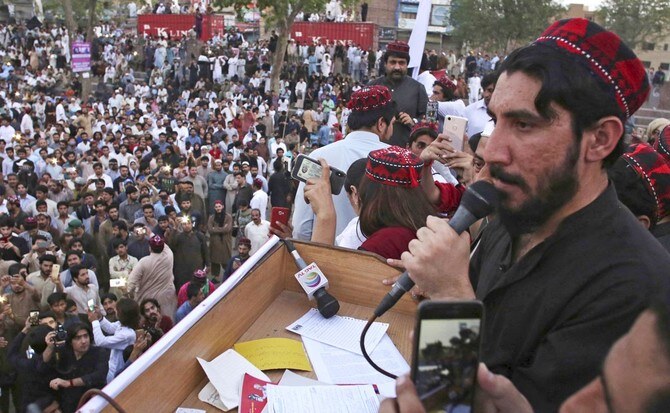
As Pakistan attends the World Economic Forum 2026 in Davos, its delegation comes with a clear agenda: economic revival, investment, and regional stability. Parallel to this, the Pashtun Tahafuz Movement has chosen the same stage to accuse Pakistan of grave human rights abuses. The question is not whether dissent is allowed. It is. The real question is whether this campaign reflects sincere advocacy for rights or a calculated attempt to damage Pakistan’s standing at a moment of diplomatic visibility.
The timing is not accidental. By aligning protests with a global forum where Pakistan seeks economic partnerships and policy dialogue, PTM maximizes reputational damage, not problem-solving. When a group bypasses domestic courts, parliamentary forums, and established international legal mechanisms, and prefers protest outside the country tied to television cameras and elite gatherings, its strategy looks political rather than humanitarian. That strategy also dovetails neatly with external narratives that prefer a weakened, suspect Pakistan to a stable, credible one.
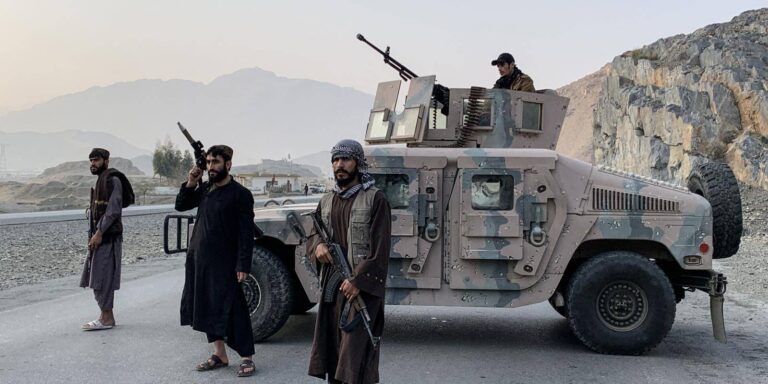
Central to PTM’s claims is the charge that military operations in Tirah Valley and Central Kurram amount to persecution of Pashtuns. This framing ignores the basic reality that these areas have been infiltrated by Tehreek e Taliban Pakistan and other armed groups that attack both civilians and state institutions. Under Article 51 of the United Nations Charter and United Nations Security Council Resolution 1373, Pakistan has a legal duty to act against non-state actors who launch attacks from its territory or from border regions. Refusing to act would not be neutrality. It would be a neglect of responsibility.
It would also contradict Article 9 of Pakistan’s Constitution, which binds the state to protect the right to life and security of all citizens, including Pashtuns who are often the first victims of terror
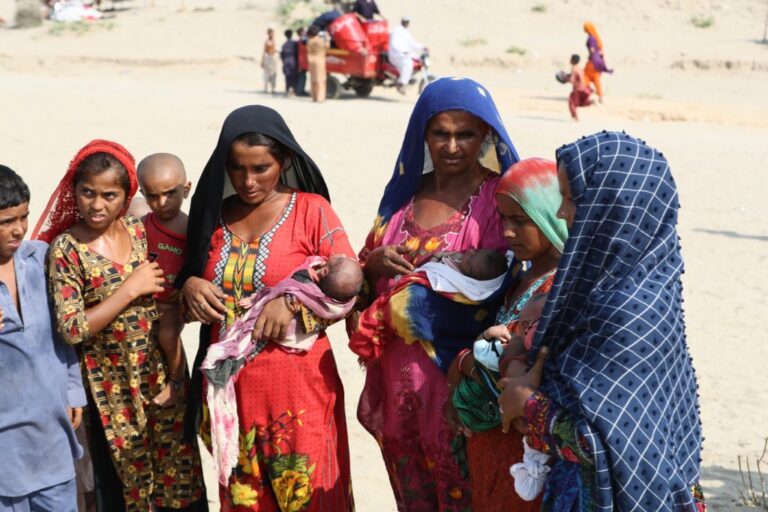
Like any state facing internal armed threats, Pakistan must balance security with humanitarian obligations. In tribal districts, operations are planned around the core principles of international humanitarian law: necessity, distinction, and proportionality. Evacuation plans, temporary displacement, and coordination with civilian authorities and relief agencies are all part of that process. Displacement is tragic, but it is protective, not punitive. It flows from the fact that terrorists deliberately embed themselves in civilian localities and prevent a safe exit. To label such operations as war crimes, without serious legal analysis or factual detail, is to strip the term of meaning and to equate lawful counterterrorism with deliberate slaughter.
The rhetoric around enforced disappearances follows a similar pattern of accusation without substantiation. Pakistan’s law enforcement agencies operate under a constitutional framework that requires warrants, judicial remand, and oversight. The remedy of habeas corpus is available and has been used repeatedly, with courts summoning officials, ordering recoveries, and demanding explanations. International law, including the International Covenant on Civil and Political Rights, recognizes that states may detain individuals for security reasons, provided judicial safeguards and access to legal remedies exist. No credible international court or United Nations organ has declared that Pakistan is waging a systemic, ethnically targeted campaign of enforced disappearances. PTM’s repeated reliance on the phrase, detached from case law or evidence, transforms it into a political slogan rather than a legal finding.
Equally misleading is the portrayal of Pashtuns as a permanently oppressed fringe community. Pashtuns are not at the margins of Pakistan. They are at its center. They have produced presidents, prime ministers, speakers of parliament, senior judges, generals, business leaders, and cultural icons. They serve, lead, and succeed across the institutions of the state. The Constitution does not recognize first and second-class citizenship based on ethnicity. It recognizes one equal Pakistani citizenship.
To insist that a security challenge in certain districts proves a national project of ethnic persecution is to erase decades of Pashtun contribution and to recast patriots as perpetual victims
By taking these claims to Davos instead of Islamabad or Peshawar, PTM also attempts to internationalize an essentially domestic matter. Article 2, paragraph 7 of the United Nations Charter protects states from interference in issues that fall within their internal jurisdiction. When political actors sidestep national forums and turn to foreign streets or media panels, they invite external pressure on domestic debates. That weakens not only sovereignty but also the authenticity of human rights discourse, which depends on verifiable evidence presented through appropriate channels, not on sound bites synchronized with global events.
The lived reality in Tirah and Kurram contradicts the picture painted in Davos placards. Local communities know the Khwarij extremists as the real source of their fear. These groups occupy homes, lay mines, assassinate tribal elders, and threaten anyone who cooperates with the state. They burn villages to punish dissent and block humanitarian corridors. Their use of civilians as human shields and their attacks on those who try to flee fit the textbook definition of war crimes. Pakistan’s security operations aim to break that control, restore state authority, and create conditions for safe return. The gradual return of displaced families and ongoing rebuilding efforts are facts that rarely, if ever, feature in PTM’s speeches.
None of this means Pakistan is perfect or beyond criticism. No state is. The proper test is whether the country’s security and human rights framework rests on law, restraint, and avenues for accountability. In Pakistan’s case, security operations are anchored in constitutional provisions such as Articles 9 and 245. Civilian oversight and judicial remedies remain available. Displacement is framed as temporary, with the state and partner organizations providing compensation and assistance.
Counterterrorism is conducted in line with international obligations, including respect for sovereignty, prohibition of indiscriminate force, and the duty to protect civilians
That is why PTM’s Davos campaign should concern anyone who cares about genuine human rights advocacy. By ignoring terrorism, erasing the sacrifices of soldiers and civilians, and labeling lawful security measures as ethnic warfare, it turns pain into spectacle. Justice does not emerge from the loudest slogan or the most dramatic hashtag. It emerges from evidence, legal argument, and sincere engagement with institutions.
Pakistan’s position can be stated clearly. Operations in Tirah and Kurram are not a war against Pashtuns. They are a defense of Pashtun families and all Pakistanis against those who rule through fear. Security is not oppression. Sovereignty is not silence. Peace, with dignity and safety for every citizen, remains the state’s promise and obligation. Intent matters in law. Duty matters in governance. And in any honest debate about rights, context matters most of all.