






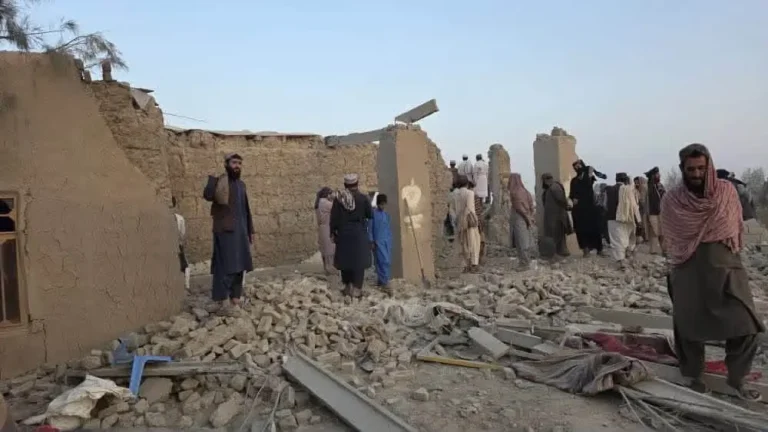
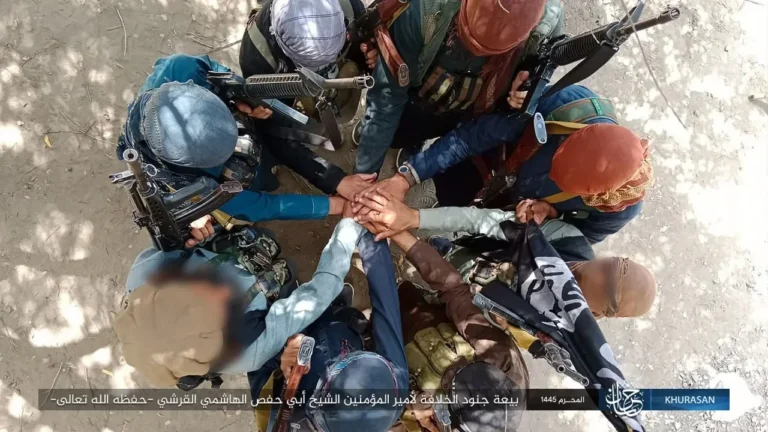
The Victory of Azm e Istehkam the Decline of Fitna al Khawarij
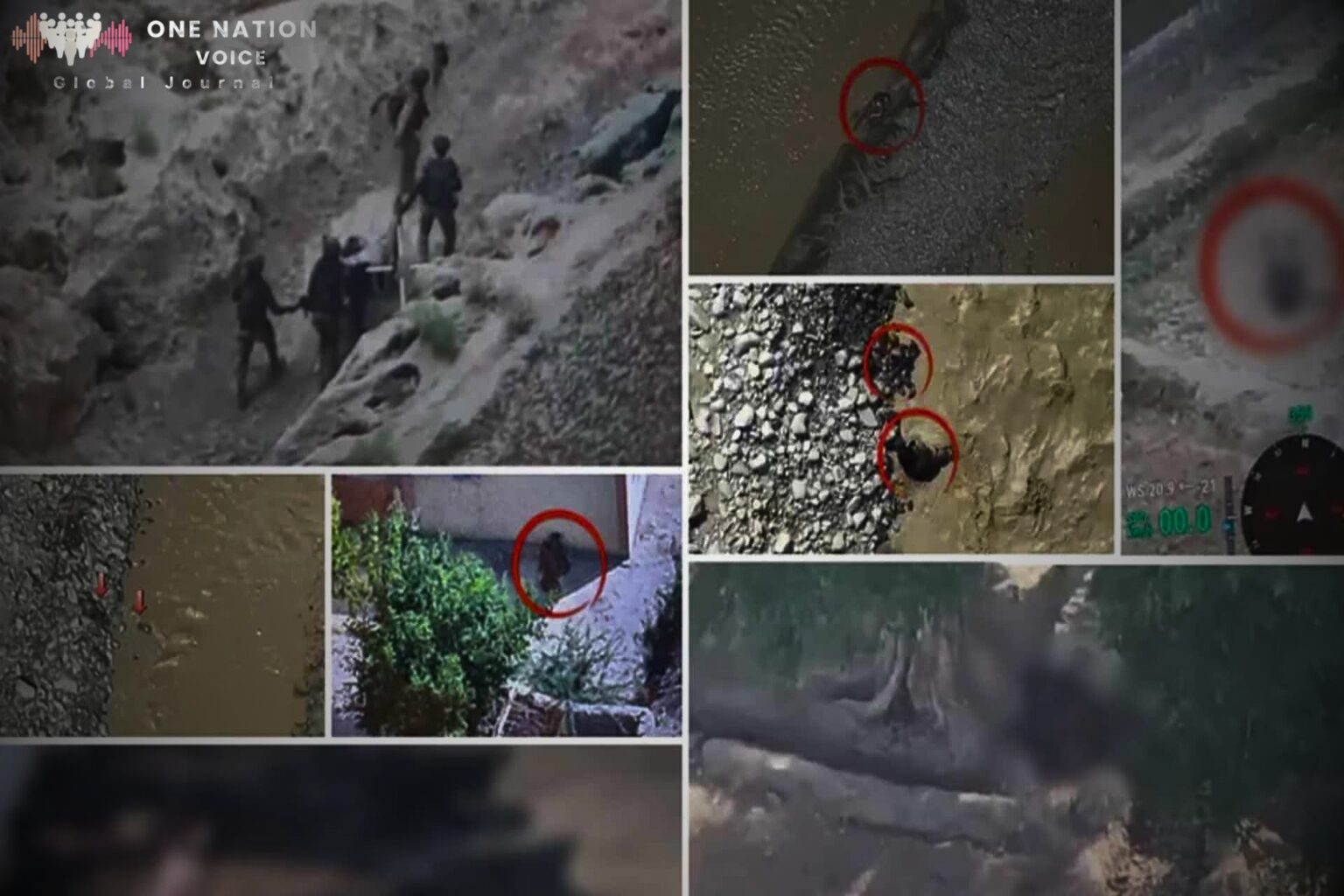
North Waziristan Operation
Pakistan’s war against terrorism has reached a new and decisive turning point. The operations carried out by security forces in May 2026 in the areas of Shewa and Saranan in North Waziristan were not merely military actions, but clear evidence of Pakistan’s resolve, sacrifice, and strategic capability. The elimination of 28 Khawarij and the killing of the key Afghan ringleader of Fitna al Khawarij, Basir, is a declaration that Pakistan will not allow any enemy to find refuge on its soil.
Background and Importance of the Operation
The search and clearance operation launched on 17 May 2026 was not a coincidence, but the result of continuous surveillance by intelligence agencies and the success of the intelligence network. Based on credible intelligence reports, security forces initiated the operation in the Shewa area of North Waziristan, where after intense exchanges of fire, 22 terrorists belonging to Fitna al Khawarij were killed, while a large cache of weapons and ammunition was recovered from the slain terrorists. This number later increased to 28 as a result of further operations. The success of this operation proved that Pakistan’s intelligence system is now stronger and more vigilant than ever before.
On 20 May, in a separate but equally important operation, Khariji commander Basir was killed in Arjam Kili of Saranan. Basir was not an ordinary terrorist. He was the son of Afghan Khariji commander Noorullah, the operational commander of infiltration formations of Fitna al Khawarij, and was also involved in organizing the group of five suicide bombers in Pishin on 22 February 2026. The killing of this individual has dealt a severe blow to the command structure of Fitna al Khawarij.
Fitna al Khawarij: A Foreign Sponsored Threat
To understand this entire operation, it is necessary to understand the reality of Fitna al Khawarij. Since the Afghan Taliban took power in Afghanistan in 2021, Pakistan has witnessed a sharp increase in cross border terrorist incidents in the border provinces of Khyber Pakhtunkhwa and Balochistan. Islamabad has repeatedly demanded that Kabul prevent Afghan territory from being used for terrorist activities against Pakistan.
In April 2026 as well, two infiltration attempts along the Pak Afghan border in the Mohmand and North Waziristan districts of Khyber Pakhtunkhwa were foiled, resulting in the killing of 13 Khawarij belonging to Fitna al Khawarij. These incidents once again strengthened Pakistan’s position regarding border security and counterterrorism efforts.
Security and foreign policy experts have highlighted links between militant networks and cross border terrorism. Experts state that Pakistan repeatedly demanded Afghan authorities fulfill their responsibilities under the Doha Agreement, under which Afghan territory should not be used for actions against other countries.
The Heinous Tactic of Human Shields
During the North Waziristan operation, an extremely condemnable aspect came to light. Evidence confirmed that the Khawarij forcibly compelled the local population into obedience and used them as human shields to secure safe passage. Such reprehensible actions were strongly condemned, and no justification for them is possible. President Asif Ali Zardari also stated that using the local population as human shields is proof of the brutality and inhuman mentality of Fitna al Khawarij.
This tactic is evidence that the Khawarij are not only enemies of the Pakistani state, but also do not hesitate to use innocent civilians as shields.
Azm e Istehkam: Pakistan’s Decisive Response
Operation Azm e Istehkam is not a temporary reaction, but an organized, sustainable, and comprehensive strategy. Pakistani security forces and law enforcement agencies will continue to work with full momentum under the vision of Azm e Istehkam and the National Action Plan of the Federal Apex Committee to eliminate terrorism threatening the country.
In February 2026 alone, security forces killed 34 terrorists in separate operations in Khyber Pakhtunkhwa and Balochistan, which is proof that this campaign is continuing in a consistent and organized manner.
Conclusion
This operation in North Waziristan is a practical demonstration of the professional capability of the Pakistani armed forces, the maturity of the intelligence network, and national resolve.
The elimination of a dangerous commander like Basir and the killing of 28 Khawarij are not merely statistics; they are proof of Pakistan’s determination in the war against terrorism.
No matter how much Fitna al Khawarij is supported by foreign elements, Pakistan remains committed to defending its peace and stability. Azm e Istehkam is not merely the name of a military operation; it is the resolve of the entire nation that this war for peace will be won at all costs.
Disclaimer:
The views and opinions expressed in this article are exclusively those of the author and do not reflect the official stance, policies, or perspectives of the Platform.

