


Trump, the So Called Donroe Doctrine, and the Illusion of a Liberal World Order
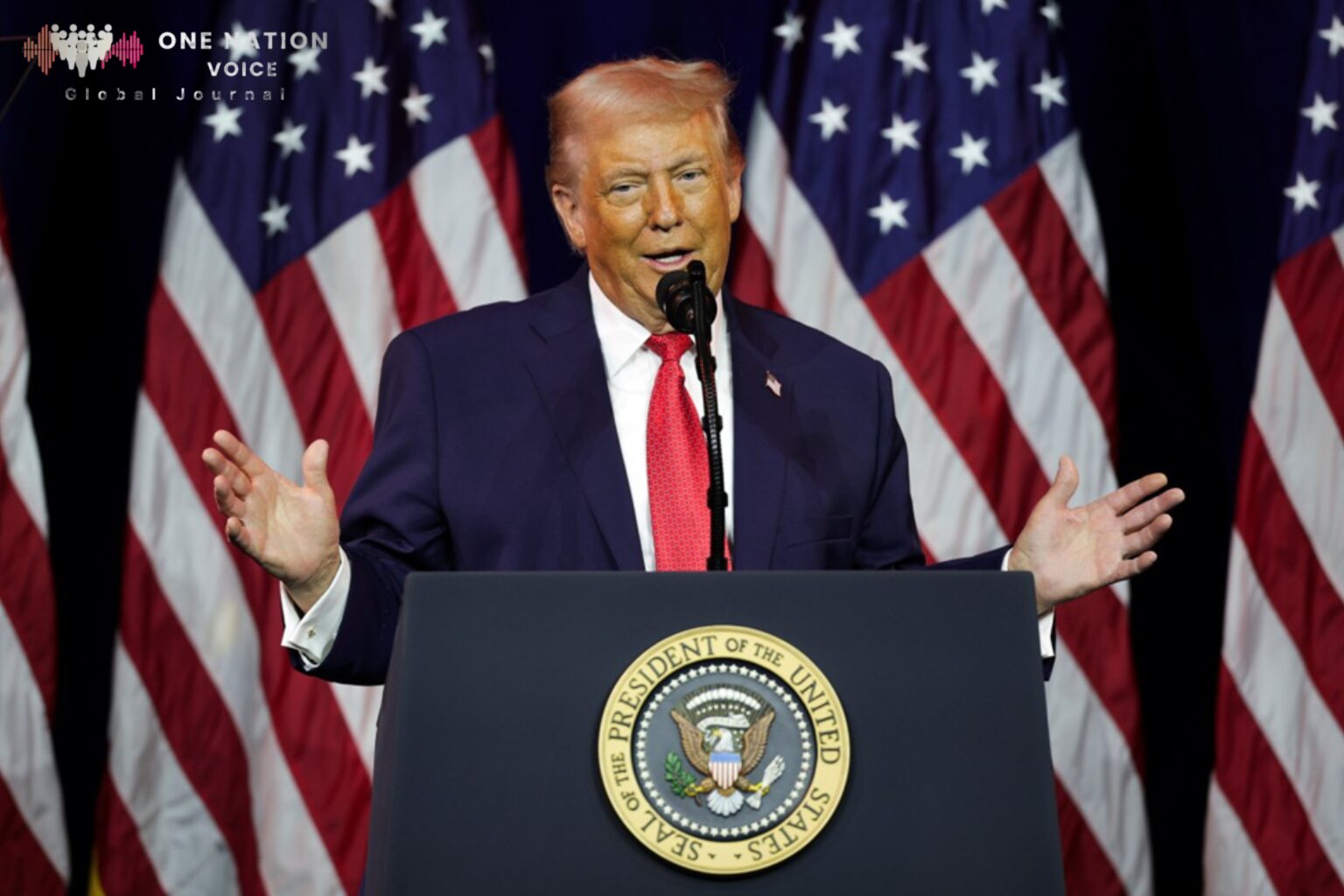
Is the contemporary international system returning to hard power politics, or is it simply revealing a reality that never went away? Recent events have not created a new international order. They have exposed an old one. Beneath decades of language about globalization, liberal norms, and multilateral cooperation, power politics never disappeared. It was masked by institutions, markets, trade, and universalist rhetoric. Trump’s foreign policy strips away that language and forces the international community to confront an uncomfortable truth: power has always mattered more than principle.
From Venezuela to Iran to Greenland, Trump’s conduct raises a basic question about the nature of the international system. Is the world drifting back toward realism, or did it never truly leave it?
Liberal internationalism promised a rules based order shaped by cooperation, institutions, and moral restraint. The Truman Doctrine, and the broader postwar order it helped sustain, was presented as part of a liberal institutional vision. Yet whenever those rules collided with major strategic interests, powerful states often ignored them. The gap between principle and practice was never fully closed.
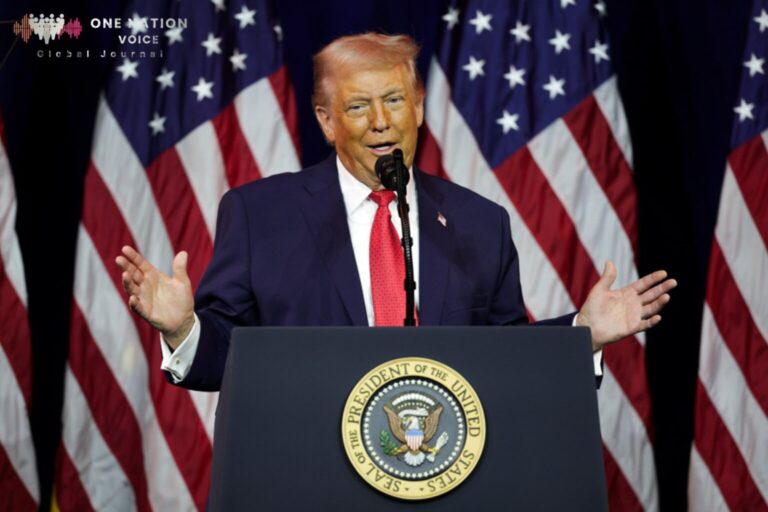
In this context, the phrase “Donroe Doctrine” has entered public discussion as a shorthand for Trump’s foreign policy posture. It is not an official doctrine. Still, the label captures something real. By reviving the logic associated with the Monroe Doctrine of 1823, Trump has framed American foreign policy in terms of open hemispheric dominance. Monroe warned European powers against interference in the Americas. Trump’s rhetoric often went further, questioning the legitimacy and autonomy of governments in the region when they stood in the way of American interests.
This is why the language surrounding Venezuela matters. Trump era policy, along with repeated statements about restoring order and protecting regional stability, echoed a long American tradition of intervention justified in strategic or moral terms. Whether presented as stabilization, democracy promotion, or security management, such moves resemble a familiar pattern in which sovereignty becomes conditional when weighed against the interests of a stronger power. From a realist perspective, this is not hypocrisy at the margins of the system. It is the system working as it usually does.
Hans J. Morgenthau argued in Politics Among Nations that international politics is, at its core, a struggle for power. That insight remains difficult to dismiss. For much of the last two decades, many scholars and policymakers assumed that soft power, institutional cooperation, and norm based governance were steadily replacing traditional power politics. Recent developments suggest otherwise. Unilateral action, economic coercion, strategic competition, and the open prioritization of national interest over multilateral commitments all point in the same direction.
What has changed is not the nature of international relations. What has changed is the fading belief that power politics had somehow been transcended
Trump’s nationalism, expressed through the slogan Make America Great Again, marked a clear break from Wilsonian idealism. Wilsonianism emphasized democracy promotion, international law, and multilateral institutions. Trump replaced that language with a more transactional and interest centred approach, one that resembles the Hamiltonian tradition in American statecraft. In that view, economic strength, commercial advantage, and national power take priority over moral aspiration. Trade wars, sanctions, resource diplomacy, and unilateral threats are not historical deviations. They are deeply rooted features of American foreign policy.
Those who saw China’s rise as the end of Realpolitik misread both history and the present. China’s rise did not weaken realism. It intensified it. The liberal hope that economic interdependence would soften great power rivalry now looks overly optimistic. Joseph Stiglitz argued in Globalization and Its Discontents that globalization was never a neutral or universally beneficial process. It was shaped by the interests of powerful states and corporations, often at the expense of weaker societies. Trump’s approach does not reject globalization. It turns it into an instrument of coercion. Tariffs, sanctions, supply chains, and energy leverage become tools of state power inside an interconnected world.
At the theoretical level, this moment confirms the staying power of realism. Liberalism claimed that institutions could reduce the effects of anarchy, that norms could constrain power, and that cooperation could displace coercion. Realism offers a harsher view. The international system remains anarchic. There is no authority above states capable of enforcing rules evenly. Institutions survive only as long as powerful states find them useful. Once they no longer serve core interests, they are bypassed, weakened, or ignored.
This shift is also clearer when viewed through the levels of analysis in international relations. At the systemic level, power transition, especially the rise of China, has intensified insecurity and competition. At the state level, American anxiety about relative decline has encouraged a more aggressive effort to preserve dominance. At the individual level, Trump’s role becomes especially important. Unlike more conventional presidents, who were often constrained by elite consensus and diplomatic convention, Trump brought a personal style that was explicitly transactional, nationalist, and confrontational.
This is not historically unusual. Individual leaders often accelerate deeper structural trends. Bismarck, Napoleon, and Nixon all left a decisive mark on world politics through force of personality and strategic vision. Trump belongs in that lineage, not because he created a new logic of international relations, but because he exposed how fragile the liberal order had always been.
The implications reach far beyond the West. For states such as Pakistan, the return of open power politics is both dangerous and clarifying. In a world where norms are applied selectively and alliances are increasingly transactional; survival depends on strategic realism. Pakistan cannot afford rigid ideological alignments. It must pursue flexible diplomacy, balancing ties with the United States, China, and regional powers without becoming dependent on any one actor. Economic resilience, internal political stability, and regional connectivity are no longer just development goals. They are matters of national security.
Pakistan should also take seriously Stiglitz’s warning that globalization without autonomy creates dependency. Strong domestic institutions, diversified trade relationships, and investment in human capital can reduce exposure to outside pressure. In an anarchic system, moral appeals rarely protect weaker states. Strategic foresight sometimes can.
Trump’s foreign policy does not signal the death of liberal internationalism. It reveals its limits. Thucydides’ old insight still shadows modern diplomacy: the strong do what they can, and the weak suffer what they must. Liberalism may have softened that reality, but it never erased it. The so called Donroe Doctrine is not a new chapter in world politics. It is a reminder that history has been repeating itself all along. The real question is whether the rest of the world is ready to face that fact without illusion.
Disclaimer:
The views and opinions expressed in this article are exclusively those of the author and do not reflect the official stance, policies, or perspectives of the Platform.

