



UNAMA Must Rely on Facts
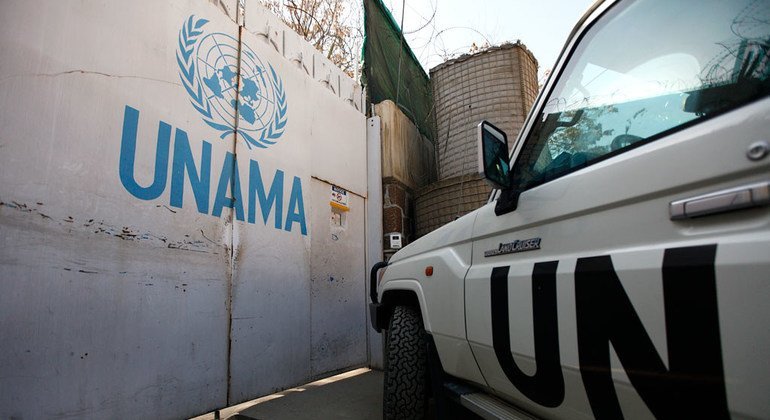
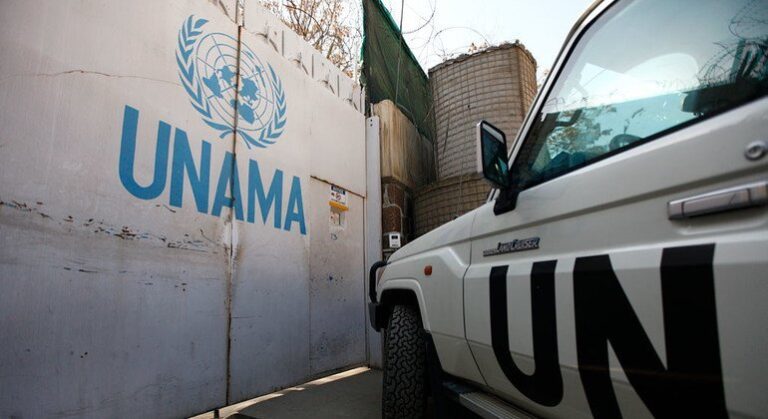
The most recent report from the United Nations Assistance Mission in Afghanistan raises significant concerns, not just due to its content but also due to the apparent omissions within it. In matters as serious as terrorism, regional security, and cross-border violence, the threshold for trustworthiness must be very high. However, the study seems to depend excessively on information provided by the Afghan Taliban officials. This is a concerning basis for any evaluation, particularly when the same government is said to condone, harbor, or collaborate with violent entities whose acts have resulted in lethal repercussions across the area. A report without a solid foundation in independently verifiable evidence jeopardizes the accuracy of reality, undermines international confidence, and unjustly transfers the responsibility to governments actively combating terrorism on the ground.
Pakistan’s apprehensions in this context are neither conjectural nor performative. They are rooted in recurrent and distressing experiences. Pakistan has always faced a continual security threat from terrorist organizations based in Afghan territory. These organizations have not confined themselves to mere rhetoric or isolated actions. They have executed assaults that have resulted in the deaths of innocent people, the martyrdom of security officers, and the infliction of agony on families and communities across Pakistan. The cost has been personal, emotional, and national in scope.
Consequently, it is both reasonable and warranted for Pakistan to scrutinize any foreign assessment that seems to minimize or obscure the existence of terrorist sanctuaries in Afghanistan
The issue is further exacerbated by the increasing apprehension over the Afghan Taliban regime’s proximity to various terrorist groupings. The problem extends beyond simple carelessness. It conveys an aura of proactive safeguarding, leniency, and calculated reticence. These factions seem capable of seeking sanctuary, reorganizing, and strategizing from Afghan territory, thereafter executing assaults into Pakistan with disturbing frequency. This is not only an issue of theoretical regional discord. It constitutes an imminent danger to life. When land governed by one state or regime is used to facilitate violence against another, the issue transcends diplomatic unease and becomes a critical assessment of accountability.
Pakistan, for its part, refrained from hastening into conflict. It attempted interaction. It engaged in discourse. It engaged mediators from allied nations to address unresolved issues via dialogue instead of escalation. That endeavor deserves acknowledgment. It demonstrates moderation, patience, and a desire for stability rather than confrontation. However, diplomacy cannot prevail when one party declines to undertake significant measures against individuals who perpetrate killings across the border. At a certain juncture, elucidation becomes imperative. Pakistan has finally made that clarity unequivocal.
The Afghan Taliban leadership cannot persist in balancing ties with Pakistan while concurrently accommodating terrorist organizations that assault Pakistan. A decision must be rendered, and that decision is significantly overdue
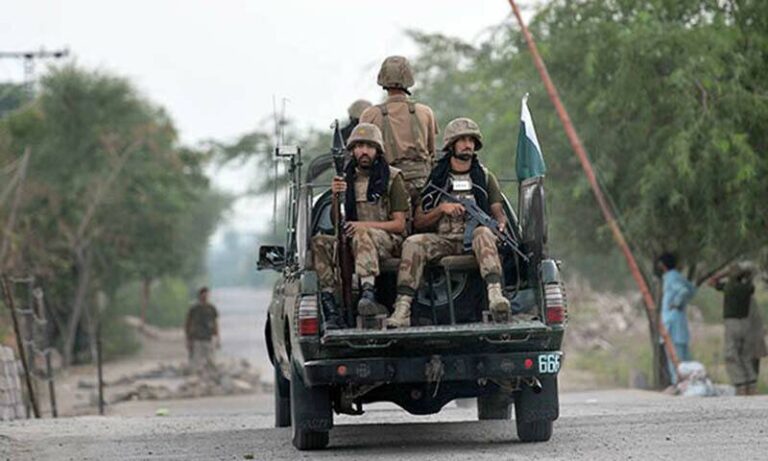
Simultaneously, Pakistan’s security response has remained constant in its articulated principles and operational execution. Its counterterrorism activities are neither arbitrary, emotional, nor indiscriminate. They rely on genuine and confirmed information and aim to eliminate terrorist infrastructure that directly threatens the nation and its citizens. This distinction is significant. There exists a significant distinction between calculated actions targeting armed militant networks and the indiscriminate use of force without consideration of repercussions. Pakistan has always asserted that its military operates with accuracy, professionalism, and responsibility, taking considerable measures to avert collateral damage and safeguard civilians.
Such a commitment should not be taken lightly. Such operations are precisely orchestrated to ensure the safety of civilian areas. The targets are secluded terrorist hideouts and facilities, rather than popular districts. This is a pivotal moment in any equitable evaluation of security measures. Accurate reporting is vital when nations confront organizations that utilize challenging terrain, flexible boundaries, and informal sanctuaries.
If international institutions conflate authorized, intelligence-driven actions with the behavior of the targeted terrorists, they not only misinform the public but also jeopardize legitimate efforts to maintain regional peace
The alleged deficiencies in the UNAMA report are of significant concern. Reporting on sensitive issues must not rely on assertions that stem mostly from a government with clear motives to manipulate the narrative. It must be based on independently confirmed facts, corroborated evidence, and a commitment to scrutinize all perspectives with equal diligence. Any deficiency induces imbalance. Moreover, it might create moral ambiguity, whereby the besieged state is examined more critically than the entities that facilitate the aggressors.
The gravity of this matter was reiterated by the violent terrorist assault in Miranshah earlier today. Such assaults do not constitute mere numbers. They depict images of bloodshed, sorrow, and devastated lives. The plight of innocent people and children must be inescapable. If international reporting organizations are committed to impartiality, they must provide these occurrences the attention they deserve. Selective diligence does not equate to objectivity. Equitable reporting necessitates recognizing the whole spectrum of violence, including the involvement of factions based in Afghan territory and the human cost endured by Pakistan.
Pakistan retains the right to advocate for a more equitable and transparent international discourse. It is also appropriate to persist in collaborating with the United Nations and other international partners constructively. However, a relationship must be founded on truth. For UNAMA to maintain its credibility, it must guarantee that its forthcoming reports depict confirmed facts instead of politically expedient tales. The consequences are too significant for anything inferior. The accuracy of information is essential for regional peace, civilian safety, and the integrity of international organizations.

