
Weaponization of Water in the Indus Basin
When a river system keeps two rivals alive, it also gives one of them a quiet kind of power. Eurasia Group’s Top Risks of 2026 report argues that India is now using that power in the Indus Basin by holding the Indus Waters Treaty in abeyance and by withholding hydrological data from Pakistan. That framing matters because Eurasia Group is not writing as a partisan activist body. It writes for mainstream US policy audiences and for investors who watch political shocks the way markets watch storms.
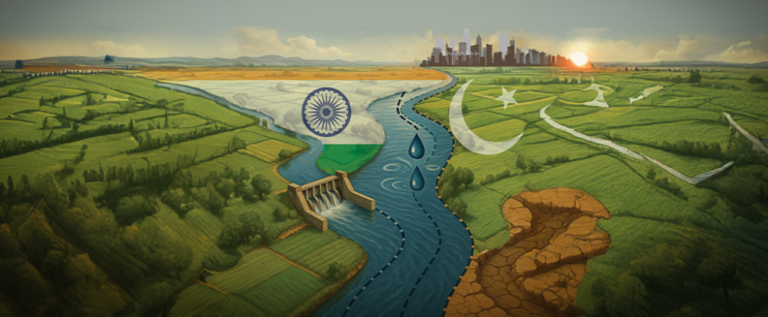
The core claim is simple. Once the treaty rules and the data flows stop, water stops being only a shared resource and becomes a tool. You do not need a tank crossing a border to cause fear if you can tighten the supply that feeds crops, fills canals, and supports jobs. Water becomes a pressure point that can be applied quietly, then denied, then applied again. That is why the report treats the current situation as more than a bilateral dispute. It treats it as coercion with real economic and human fallout.
The Indus Waters Treaty was built to prevent exactly this. For decades, it survived crises that should have broken it, including multiple wars, because it created procedures, notice periods, and channels for information. The data sharing piece is not a technical extra. It is the early warning system for floods, shortages, and seasonal planning. If Pakistan’s water managers and farmers cannot see what is coming upstream, they are forced to guess. In agriculture, guessing is expensive.
A missed planting window, a delayed canal rotation, or a sudden shortfall during a sensitive crop stage can turn into a lost season
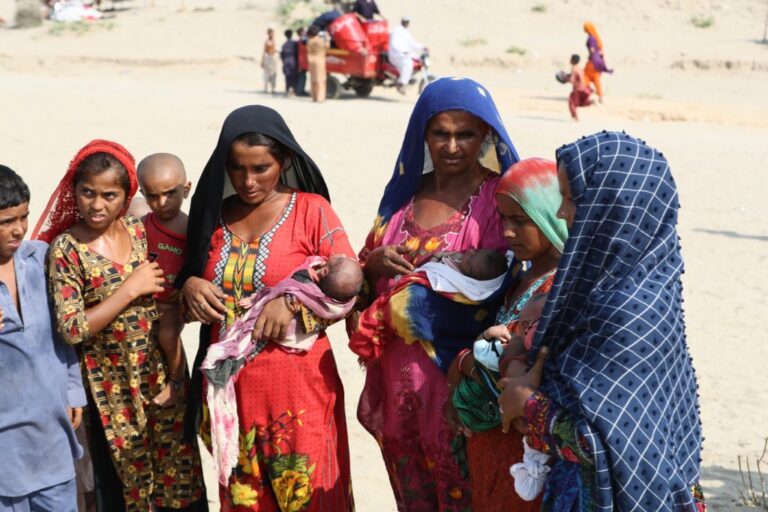
Eurasia Group stresses Pakistan’s dependence, and the numbers are stark. More than 80 percent of Pakistan’s agriculture relies on Indus Basin waters. That means water uncertainty hits the country’s food supply, rural incomes, and export earnings at the same time. Pakistan’s economy already carries inflation risk and fiscal pressure. Add a shock to wheat, rice, cotton, or sugarcane output, and you invite price spikes, import bills, and political anger. Even a partial disruption can ripple from farm to market to household.
The timing makes the warning sharper. Eurasia Group notes that India suspended the treaty in April 2025 after the Pahalgam terrorist attack and stopped sharing hydrological data with Pakistan. The report also notes that the treaty remains suspended despite a US-brokered ceasefire last May, and that India appears to want the suspension to remain a standing threat. In that logic, water is not a byproduct of conflict. It is part of the conflict toolkit, ready to be used during the next flare-up.
This is where the “weaponization” label becomes more than rhetoric. Water coercion does not need dramatic headlines to work. A delayed release, a tighter flow during a key irrigation period, or a sudden lack of data that prevents timely adjustments can cut yields. Lower yields push up food prices. Higher prices hit urban wages and rural poverty together.
Livestock suffer when fodder and drinking water become scarce. Water-dependent industries feel the squeeze. Over time, the damage looks like slow erosion, but the political effect can be rapid
For Pakistan, the vulnerability is structural. It sits downstream and is highly canal-reliant. Its storage is limited relative to need, and its farm sector is still dominated by water-intensive crops and uneven irrigation efficiency. That means Pakistan cannot easily “hedge” against upstream pressure. It also means that a crisis can turn into a public narrative of existential threat, which is especially dangerous between nuclear-armed rivals. When leaders feel boxed in, they take risks. Eurasia Group’s point is that water manipulation raises the stakes of any future crisis, because it touches livelihoods at scale.
For India, there is also a long-term cost. Treaties and data protocols are forms of trust infrastructure. If a major water sharing agreement can be paused for political signaling, other neighbors will plan for the same possibility. That pushes the region toward unilateral projects, higher suspicion, and more politicized dam and canal decisions. It also invites outside involvement in what should be a managed technical space. Even investors read this as rising risk, because water uncertainty can disrupt supply chains, energy planning, and social stability.
So what should change, beyond slogans? First, restore hydrological data sharing immediately and insulate it from political cycles. Data is the minimum floor for safety, even when politics is hostile. Second, revive treaty mechanisms or create an interim technical channel with clear timelines, verification, and crisis communication. Third, Pakistan should treat this as a wake-up call to reduce exposure, not only by building storage where feasible, but by shifting crop choices, improving irrigation efficiency, lining canals where it makes sense, and pricing water and power in ways that reward conservation without punishing the poorest farmers. Fourth, both sides should accept that climate stress will make river variability worse, which means the cost of playing games with flows will rise each year.
Eurasia Group’s warning is not that war is inevitable. It is that the region is entering a phase where water can be used as leverage, and leverage can become a habit. In a basin that feeds millions, that is a reckless path. If South Asia wants fewer crises, it needs to keep water boring again: measured, shared, forecasted, and managed through rules that outlast the anger of the moment.