
The Afghan Dimension of Pakistan’s Security Crisis
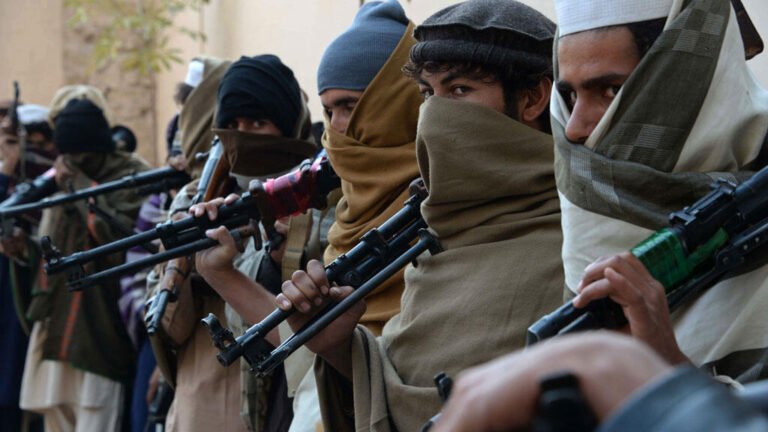
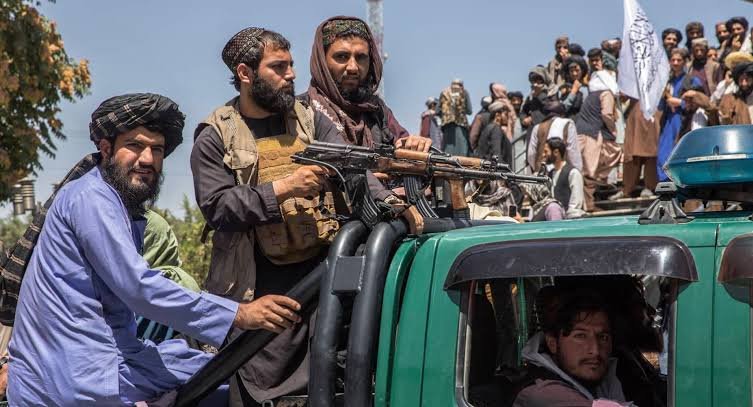
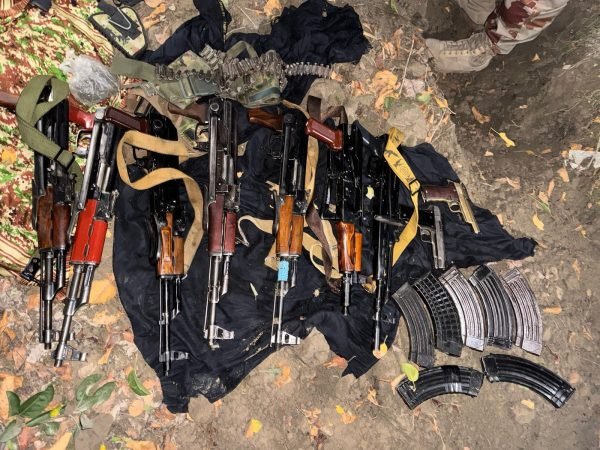
The identification of Afghan nationals among militants killed during a security operation in Kurram on 5 October has once again brought Pakistan’s cross-border terrorism challenge into sharp focus. According to official reporting, two of those killed were identified as Afghan citizens, including Sifat Ullah, also known as Saifullah Jamshid, a resident of Janikhel in Afghanistan’s Paktia province, and Omar Fidai. Their deaths would ordinarily form part of the grim statistics of Pakistan’s continuing counterterrorism campaign. What makes the episode more significant is the broader pattern into which it appears to fit. Pakistani security sources say that more than 257 Afghan nationals have so far been identified in connection with terrorist activity inside the country.
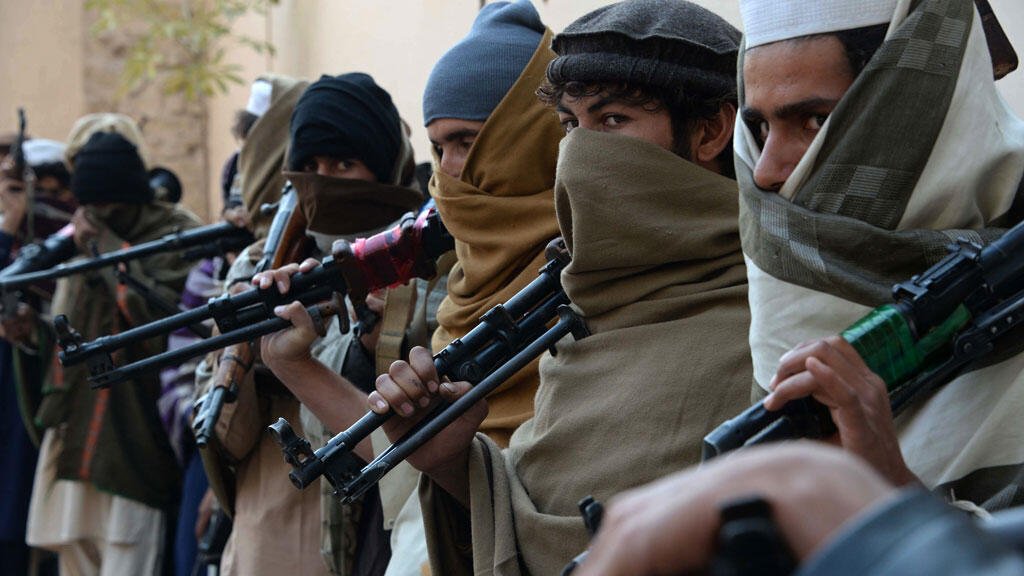
That figure deserves serious attention, but it also requires careful interpretation. The issue is not the nationality of millions of ordinary Afghans who have no connection whatsoever with militancy. Pakistan has hosted generations of Afghan refugees, traders, students and families, often at considerable social and economic cost. The concern is much narrower and much more serious. It is about individuals who allegedly cross from Afghan territory, join militant networks operating against Pakistan and participate in attacks before either returning across the border or being killed in security operations.
The Kurram case becomes even more troubling because of what reportedly followed in Afghanistan. Condolence gatherings were held for the slain militants, including one in Rabat village in Janikhel district, where posters bearing the flag associated with Fitna al Khwarij were reportedly displayed. If verified, such public commemoration matters because it points toward an enabling social environment in which militants are not always treated as criminals or unwanted armed actors, but can instead be remembered publicly as fallen fighters.
That distinction is critical. Terrorist networks rarely survive through fighters alone. They need recruitment pipelines, ideological justification, logistical assistance, safe movement, financing, communications and social spaces where their actions can be glorified. When men involved in violence across an international border are openly commemorated in their places of origin, the problem extends beyond individual infiltration. It suggests the presence of an ecosystem capable of sustaining militancy even when individual operatives are eliminated.
Pakistan’s concern is therefore not difficult to understand. Khyber Pakhtunkhwa has faced a severe deterioration in the security environment. Pakistan’s defence minister stated on 5 October that approximately 6,200 terrorist incidents and around 1,200 deaths had been recorded in the province over the previous two years. He also claimed that Afghan nationals were responsible for 37 suicide attacks and that a majority of suicide attacks recorded during the current year involved Afghan citizens. These are official Pakistani figures and should be independently scrutinised, but their scale explains why Islamabad increasingly views the Afghan dimension of terrorism as a central national-security issue rather than an occasional border-management problem.
The same concern has increasingly surfaced in Pakistan’s diplomacy. At the Moscow Format consultations on Afghanistan on 5 October, Pakistan’s Special Representative Mohammad Sadiq described terrorism as being at the core of Afghanistan’s present challenges and said Pakistan would take appropriate measures to protect its citizens in accordance with international law. The importance of that statement lies in its setting. Pakistan is no longer raising the matter only through bilateral channels. It is attempting to place cross-border militancy within the wider regional conversation on Afghanistan.
For Kabul, the implications are equally serious. The Afghan authorities have repeatedly rejected accusations that their territory is being systematically used against neighbouring states. Yet repeated identification of Afghan citizens among militants operating in Pakistan will continue to strengthen Islamabad’s argument unless credible investigations and preventive measures are undertaken on the Afghan side. Denial alone cannot resolve a security dispute when bodies, identities, infiltration routes and militant affiliations repeatedly become subjects of official investigation.
Pakistan must nevertheless resist the temptation to turn a legitimate counterterrorism concern into a blanket judgment about Afghans. Collective suspicion would be strategically counterproductive and morally indefensible. The proper response is intelligence-led border management, biometric screening, improved information-sharing, prosecution of facilitators, financial tracking and sustained diplomatic pressure on the Afghan authorities to act against organisations using their territory for cross-border violence.
At the same time, Afghanistan’s rulers have an obligation to demonstrate that their assurances to neighbouring countries carry practical meaning. Preventing the movement of armed militants, closing training and logistical facilities, restricting fundraising and propaganda, and investigating public glorification of individuals involved in cross-border attacks would be obvious starting points.
The Kurram operation is therefore significant not because two Afghan nationals were killed, but because their identification appears to reinforce a much larger security pattern. The central question is whether militancy operating across the Afghanistan-Pakistan frontier is being systematically dismantled or merely displaced from one district to another.
Pakistan cannot permanently secure its western frontier through military operations alone. Afghanistan cannot secure international legitimacy while allegations of cross-border militancy remain unresolved. Ultimately, both countries have an interest in ensuring that their border becomes a line of lawful movement and economic exchange rather than a corridor for armed violence. The accumulating cases involving Afghan nationals make that objective more urgent, not less.