




When Sensationalism Betrays the Briefing Room
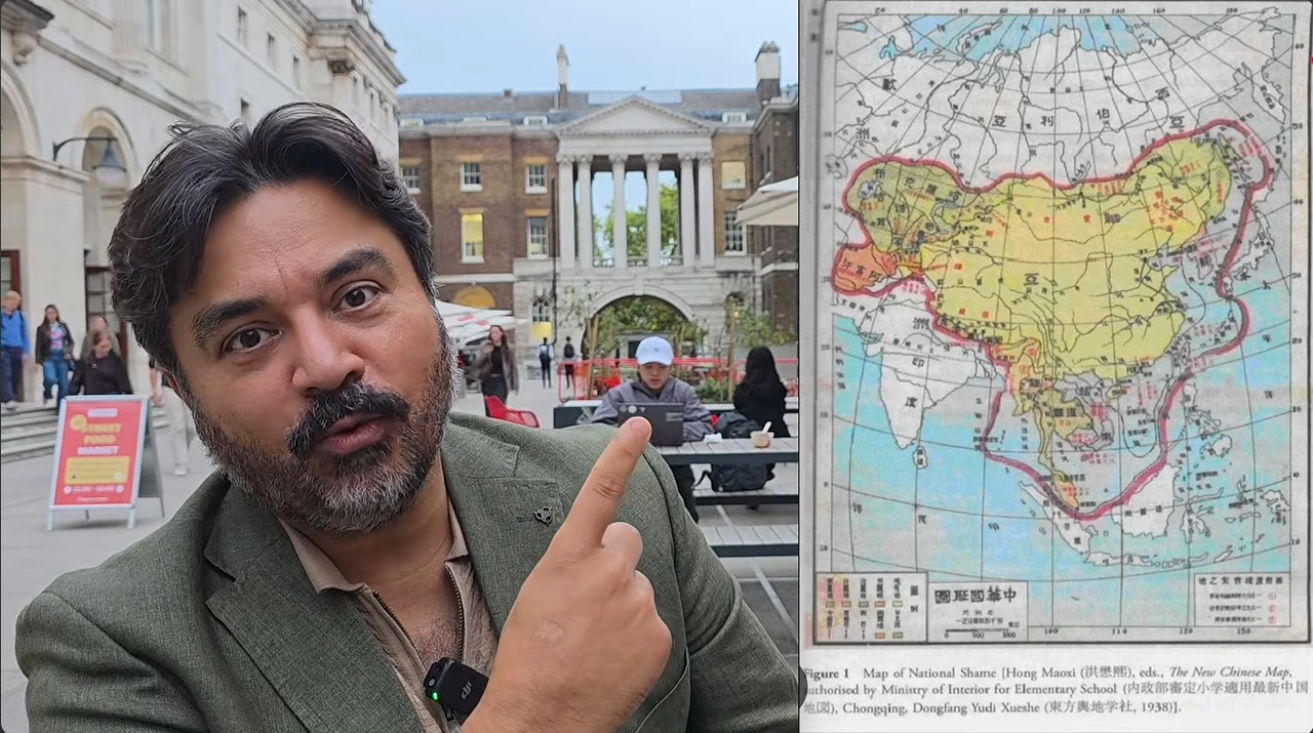
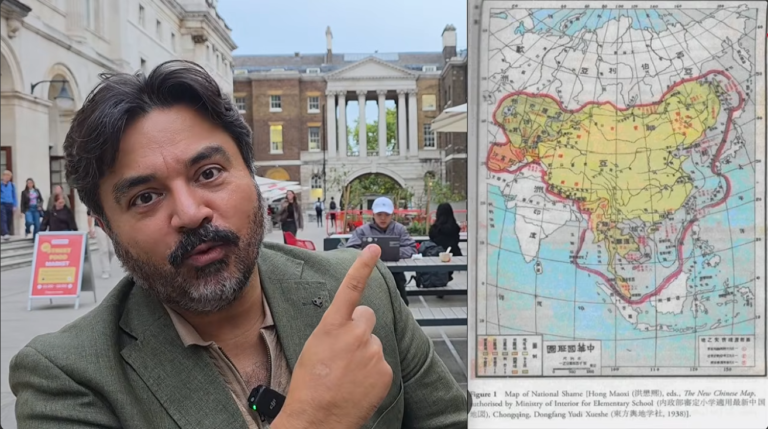
There is a particular kind of violation that is difficult to prosecute in any courtroom but impossible to dismiss in any conscience. It happens when someone accepts the privilege of a closed door, confidential briefing , enters a space built on mutual trust between academics, researchers, and policy voices, then walks straight outside, hits record, and turns the entire session into a social media vlog. That is precisely what retired Major Adil Raja did after attending a briefing at King’s College London on 28 September, hosted by Dr Benjamin Blandin.
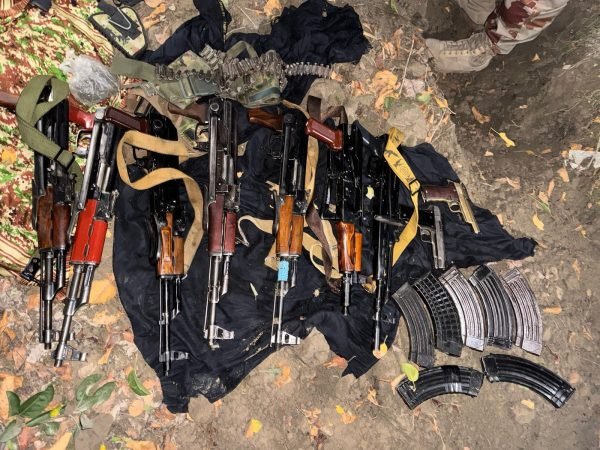
The Chatham House Rule, which originated in 1927, exists specifically to encourage frank and honest discussion on sensitive topics by protecting participants: information received may be used, but the identity or affiliation of any speaker or other participant must never be revealed. By Raja’s own admission, the KCL briefing operated under exactly this rule. Yet barely outside the building, he stood before his camera and proceeded to disclose what he described as classified maps, satellite imagery of Chinese military installations, details of drone programs, and, perhaps most damagingly, named Dr Blandin directly by name, attributing specific statements and findings to him while also describing the nationalities of those seated in the room.
This was not a grey area. It was a straightforward, self confessed violation of a rule he acknowledged before entering.
Distortion in the Name of Disclosure
What makes this worse is not merely the breach but the use to which it was put. Raja presented the contents of an academic briefing as if they were freshly leaked classified intelligence. He described satellite imagery of Chinese military activities, Chinese drone programs, missile silo expansions in Mongolia, and submarine cable disruptions as revelations from a secret briefing, yet virtually all of these subjects are extensively documented in publicly available academic literature, open source intelligence reports, and think tank publications. China’s blue water naval ambitions, its artificial island construction in the South China Sea, and its expanding nuclear arsenal are not secrets. They are the subjects of peer reviewed journals and publicly funded research programs across Western universities.
The so called “Map of National Shame” that Raja described with theatrical alarm is a well known reference point in Chinese historiography, debated openly in academic circles for decades. Presenting these as stunning revelations from a closed briefing is not whistleblowing. It is packaging ordinary academic knowledge inside a manufactured atmosphere of secrecy to generate views.
He then further weaponized Dr Blandin’s name, attributing specific geopolitical conclusions to him by name, conclusions that his listeners had no way to independently verify or challenge, because the meeting was supposed to be protected. In doing so, he pulled both a respected academic and a serious institution into narratives built on his own distorted retelling.
A Pattern, Not an Anomaly
None of this occurred in a vacuum. The credibility of Adil Raja as a voice on geopolitical matters has been tested, and found wanting, in the courts of the very country he now calls home. In October 2025, UK High Court Judge Richard Spearman KC ruled that Raja had defamed Brigadier (retd) Rashid Naseer through a sustained campaign of false allegations spread across YouTube, Facebook, and X, finding that nine out of ten publications were seriously defamatory, lacked any factual basis, and carried no lawful defence.
The court ordered Raja to pay £50,000 in libel damages along with an interim costs payment of £260,000 and full legal costs, and imposed a strict injunction preventing him from repeating any of the ruled upon allegations, with contempt of court and potential imprisonment for any breach.
Raja appealed. Lord Justice Warby at the Court of Appeal dismissed every ground of appeal, upholding the original decision entirely and concluding that the outcome had nothing to do with external political pressures, Raja must pay around £300,000 to Brigadier Naseer in total damages and legal costs.
Raja subsequently published a court mandated summary acknowledging that he had made “a number of defamatory allegations” and “had no defence to his claim.” This is not the record of a truth teller being silenced. It is the documented record of someone who fabricated serious allegations, spread them for years across multiple platforms, and was found by two separate courts to have done so without any evidential foundation.
The Damage to Legitimate Discourse
The real casualty in the KCL incident is not just Dr Blandin’s reputation or KCL’s institutional standing, though both deserve clear protection and redress. The deeper casualty is the space for honest, evidence based geopolitical analysis. Serious academic engagement with questions of China’s strategic posture, its maritime expansion, its infrastructure diplomacy through CPEC and the Wakhan Corridor, its drone and naval capabilities, all of this is genuinely important work being done by responsible researchers worldwide. That work depends on the ability to hold frank, protected conversations in academic settings.
When those settings are treated as content farms by individuals seeking virality, the long term damage is real. Invitations become cautious. Speakers grow reluctant. Institutions restrict access. The frank exchange that produced the briefing Raja attended becomes harder to maintain for everyone who follows. It is a form of harm that does not make headlines but quietly degrades the quality of public intellectual life.
KCL must take this seriously as an institution. Formal response to what constitutes a documented, self acknowledged breach, compounded by apparent misrepresentation of the briefing’s content and the dragging of a named academic into fabricated narratives, is not optional. It is a matter of institutional integrity.
Clicks Are Not a Conscience
Raja has cultivated an audience partly by positioning himself as a whistleblower willing to say what mainstream voices will not. That persona has understandable appeal in environments shaped by institutional opacity. But credibility is not a permanent credential. It is earned and lost through verifiable conduct over time.
Two UK courts have now found that his allegations against a named individual were fabricated, evidentially baseless, and without defence. Now the same person stands having voluntarily violated the explicit terms of a closed academic briefing, distorted its contents for dramatic effect, and used a respected scholar’s name to lend authority to a social media narrative. The pattern is clear and the judgment, in the end, writes itself.
For audiences consuming this kind of content, the lesson is not complicated: examine who is speaking, examine their record before the courts and the facts, and ask whether what they describe matches what independent, verifiable sources actually document. Sensation is easy to produce.
Credibility, once lost through a trail of court confirmed fabrications and rule violations, does not return simply by pressing record outside the next briefing.

