

Terrorist Sanctuaries in Afghanistan and Global Responsibility
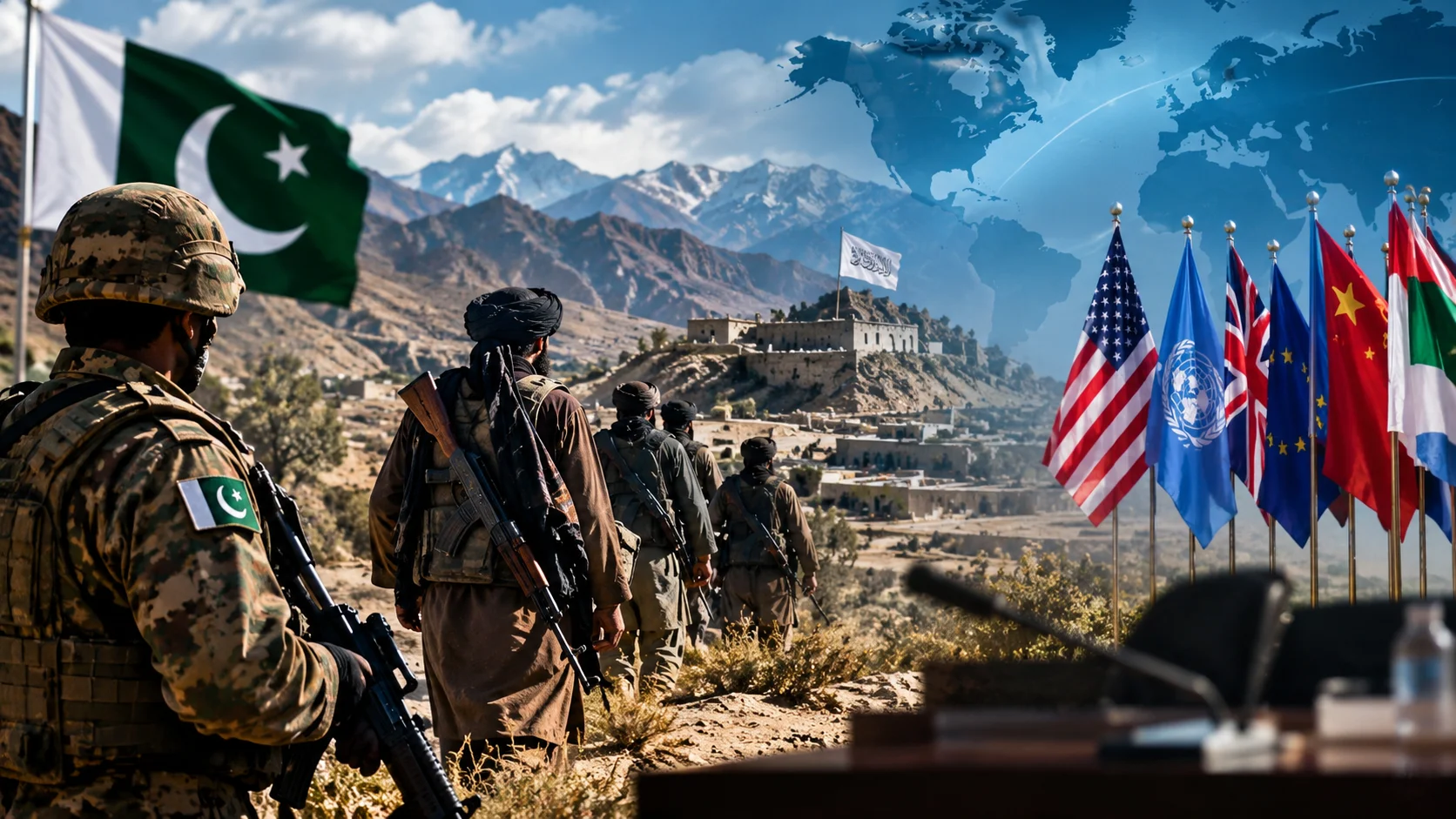
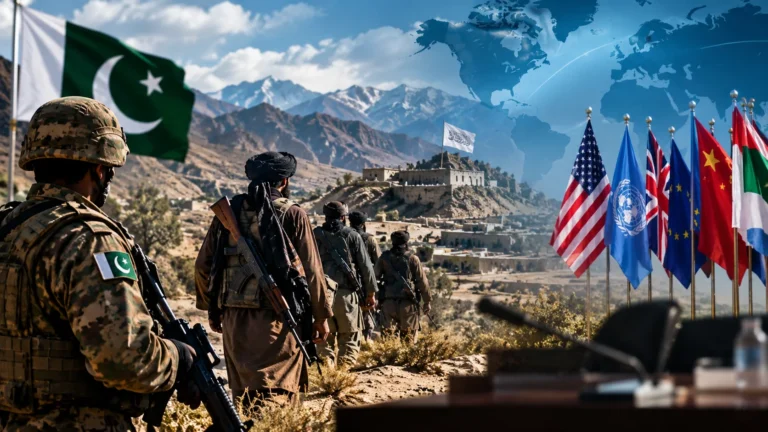
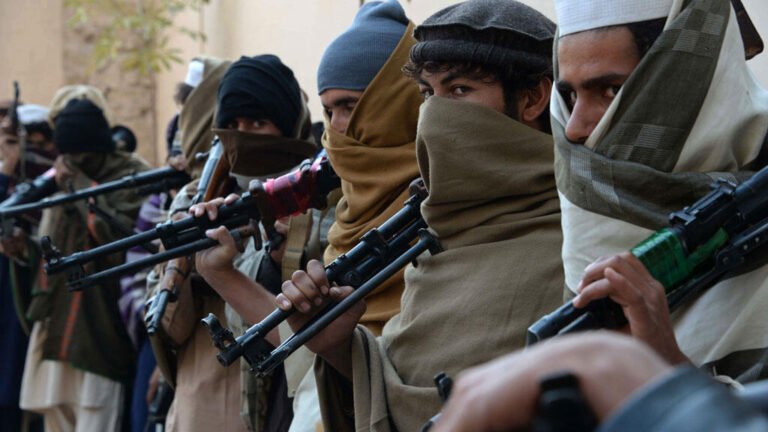
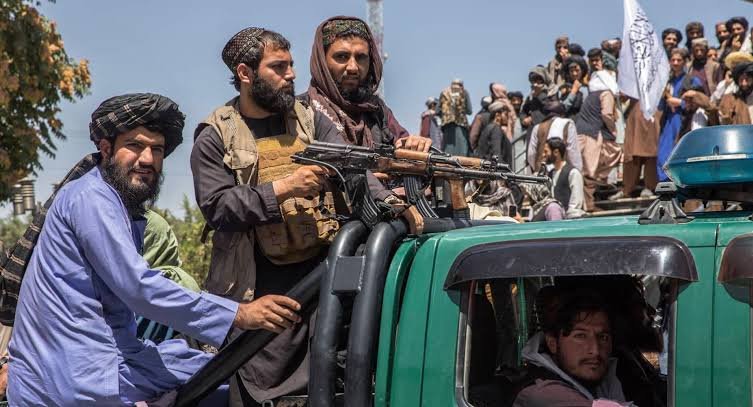
Terrorism has remained the key issue of South Asia for almost three decades. Pakistan remains a key victim and a frontline state against terrorism. Through multiple security operations, Pakistan has squeezed the ability of terrorist groups and dismantled the networks, while ensuring regional and global peace. Since the return of the Afghan Taliban to power in August 2021, the regional security landscape has changed, and the international response to Afghanistan’s terrorist activities has been deficient. United Nations has claimed that there are over 10,000 terrorists in the country, including over 6,000 members of Tehreek e Taliban Pakistan (TTP). Terrorist organizations pose a constant threat to Pakistan, and so does the TTP’s old friendship with the Afghan Taliban. The main problem, though, is that the great powers are not keen to put their pressure behind Kabul to stop the growth of terrorist sanctuaries. While the international focus has moved on, Pakistan is left to deal with the immediate effects of a threat which could have far reaching regional and global ramifications.
In Pakistan, the impacts are immediate. The TTP, BLA and other groups operating with impunity from Afghanistan continue to target Pakistani security forces and civilians. Its ideological and organizational connections to the Afghan Taliban have made countering its operations difficult. Islamabad has been reiterating that Afghan soil must not be utilized for planning and launching attacks against neighboring countries. This is a fundamental step toward both Pakistan’s security and confidence building in regional cooperation to counter terrorism.
For nearly three decades, Pakistan has been fighting terrorism at great human, economic, and security costs. However, the international community has been unable to generate enough pressure to compel the Afghan Taliban to take concrete measures against groups operating from their territory that are verifiable. This discrepancy has led Pakistan to face a continuous threat while it could not get enough support from outside, despite being a frontline state, for countering terrorism for global peace.
This strategic deficit is seen in the USA. In 2021, it withdrew its troops from Afghanistan, even though it did not end the security implications of developments within the country. While Washington’s concerns have changed, the relevance of the terrorist groups operating from Afghan territory in terms of regional stability and international security has not changed either.
Military withdrawal doesn’t have to be a diplomatic withdrawal.
The U.S. also still has significant leverage and can engage international partners to push back on Kabul to fulfill its counterterrorism commitments. If Afghanistan’s terrorist issue is removed from the radar, it could jeopardize the achievements of decades long counterterrorism efforts.
But it’s not just Washington’s fault. Some regional countries are seeking to enhance their diplomatic and economic relations with Kabul, looking for stability, connectivity, and influence. These are the interests and engagement with Afghanistan is still important. However, this should also happen through increased cooperation, providing opportunities to tackle joint security issues. States dealing with the Afghan Taliban must always urge and remind them not to use their territory against other countries. Without any security outcomes, engagement can serve to normalise a security environment that remains a threat to the region.
The ramifications of it are not just for Pakistan. There is a fear of the interconnected growth of networks by the presence of TTP, Balochistan Liberation Army (BLA), and Al Qaeda, among others, a transnational terrorist organisation. This is creating opportunities for joint action, mutual facilitation networks, and trans border connections. These links, if left unchecked, may further build their operational resilience and widen their influence. This threat may then spread into the region and internationally, creating problems for human safety.
But the inaction of the great powers is especially significant, for the terrorists have time and space to operate. These conditions allow them to sustain their infrastructure, hire staff, build their skills, and build transnational ties. The longer they go on unchallenged, the more challenging their activities will be to disrupt. Hence, an exclusive Pakistani approach to the issue is a risky strategy for the global community.
It does not necessarily need to be an encore performance of military action to respond better. It takes coordinated regional involvement, diplomacy, and sharing of information. No terrorist group should be allowed to operate across borders, and this should be a priority in their cooperation with the Kabul government. They should also press for actionable steps against terrorist sanctuaries and networks to recruit, train, and attack. Measurable progress must be accompanied by the provision of diplomatic assurances.
This burden should not be solely on Pakistan. The significant role it has played in international counterterrorism operations, and the sacrifices it has made for world peace deserve international cooperation.
Supporting Pakistan is not just a bilateral responsibility but also a larger scale objective of ensuring that the Afghan territory does not become a haven for terrorist organizations to destabilize neighboring countries.
More cooperation between key powers and the neighbors in the region would also minimize the chance that conflicting geopolitical interests undermine common security interests.
At the end of the day, it remains to be seen if the big powers will be in sync with their efforts in Afghanistan and their stated goals of international security. The impact of continuing to allow terrorist sanctuaries should not be overlooked by strategic competition and changing priorities.
The great powers must have the idea that they are not only responsible for identifying Afghanistan’s threat of terrorism but also for trying to resolve it as terrorism as issue of humanity not a state. Continued diplomatic dialogue, concerted pressure, and effective counterterrorism dialogue can enable the government of Kabul to fulfill its commitments and enhance regional peace and security. If this is not done, terrorist organizations will have opportunities to consolidate, and people of Pakistan will suffer disproportionately. It’s not about engaging or disengaging; it’s about engaging and helping to increase shared security or letting a preventable threat grow.

