




Social Media and the Growing Crisis of Public Trust
There was a time when people waited for the morning newspaper or the evening news bulletin to understand what was happening around them. Today, a few seconds of scrolling through a mobile phone can shape an individual’s understanding of politics, society and international affairs. Information travels faster than ever, but its credibility has become increasingly questionable. A misleading video, an edited photograph or an unverified statement can reach millions of people before journalists or relevant authorities have an opportunity to establish the facts. This is perhaps one of the most troubling realities of the post-truth era.
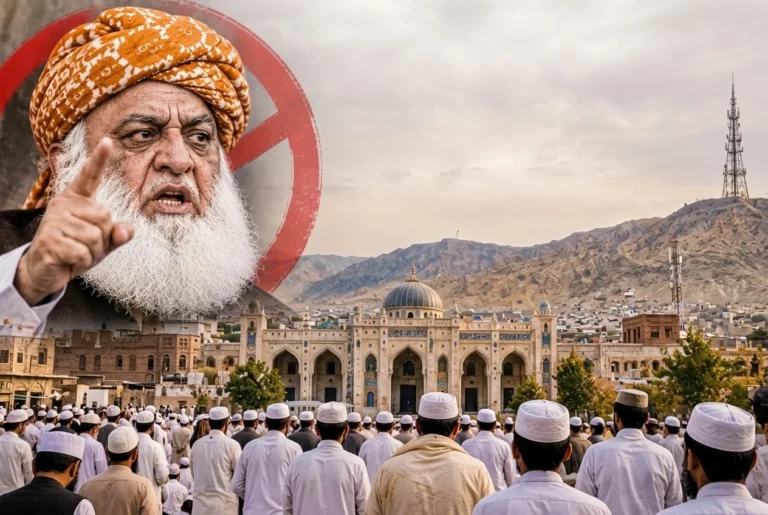
Social media platforms have changed our lives in many positive ways. They have connected families, opened new avenues for businesses, provided educational opportunities and given ordinary citizens a platform to express their views. Many important social issues that previously received little attention have entered mainstream public debate because of social media. However, the problem begins when these platforms become instruments of deliberate manipulation. Information is often accepted simply because it supports someone’s existing beliefs, political preferences or personal grievances.
People are increasingly inclined to believe what they want to believe, even when available evidence suggests otherwise
The business model of social media companies deserves particular attention. Controversial statements, sensational headlines and emotionally charged videos often attract more engagement than factual reporting. For companies whose revenues depend heavily on advertising and user engagement, there is a commercial incentive to keep people scrolling. The Digital News Report 2026, published by the Reuters Institute for the Study of Journalism, reflects growing public concern about misleading digital content and the changing nature of news consumption. Unfortunately, a journalist may spend days verifying a story that receives considerably less attention than a fabricated claim produced within minutes.
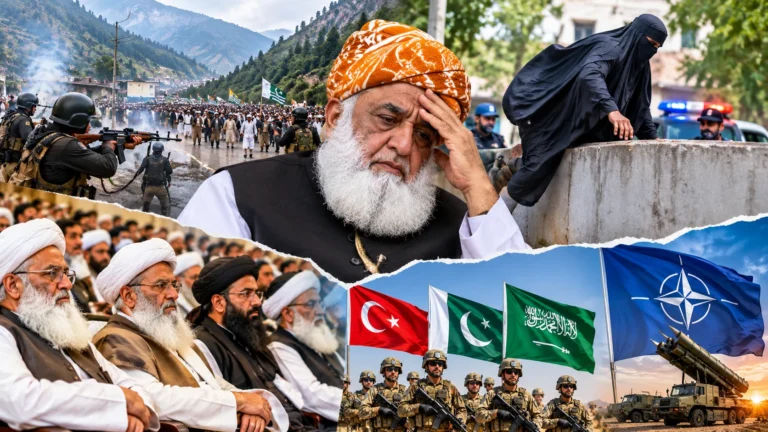
For countries like Pakistan, the consequences go well beyond the circulation of fake news. The country faces a complicated regional security environment, political polarisation and longstanding social challenges. Misinformation can aggravate these problems, particularly when religious, ethnic or political sensitivities are involved. During periods of regional tension, misleading information can create unnecessary panic, damage diplomatic relations and complicate crisis management. The growing availability of artificial intelligence tools has made matters worse. Fabricated speeches, manipulated videos and artificially generated photographs are becoming increasingly difficult for ordinary citizens to identify.
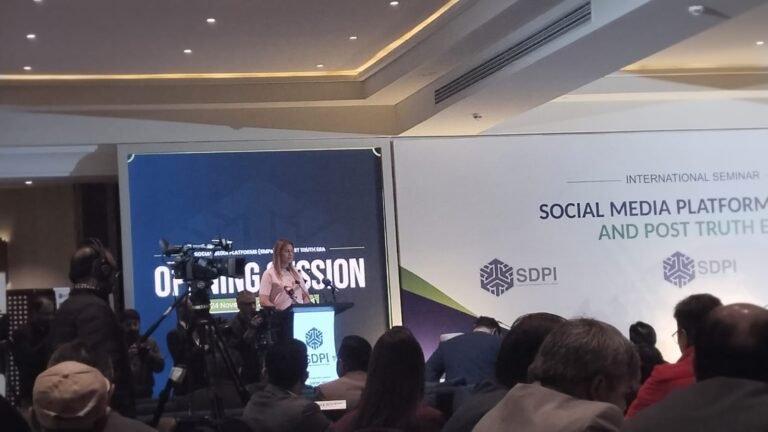
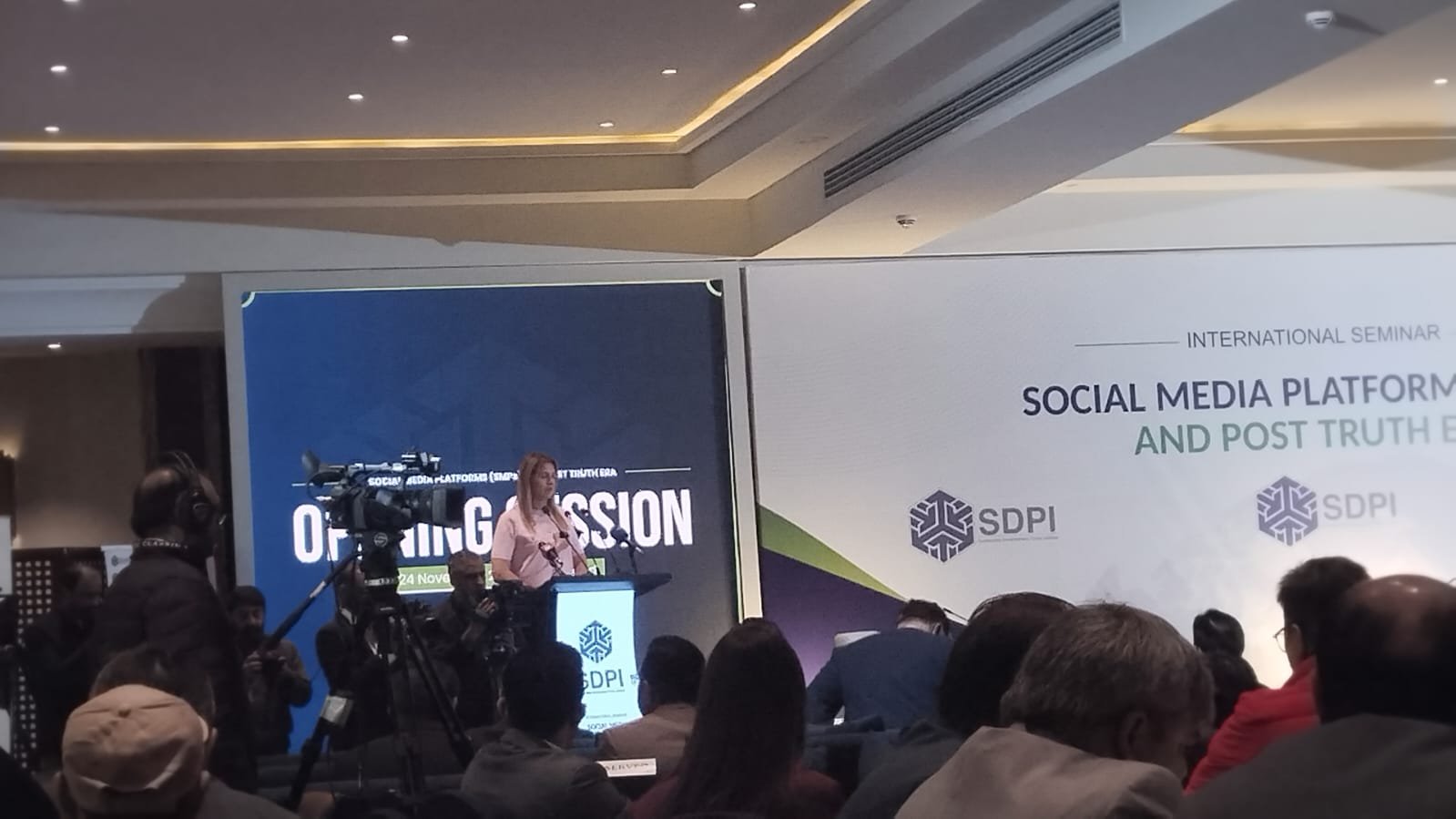
It is against this background that the Sustainable Development Policy Institute (SDPI) is organising an international seminar titled “Social Media Platforms (SMPs) and the Post-Truth Era” on 24 November 2026 at the Marriott Hotel, Islamabad. The initiative deserves appreciation because Pakistan needs a serious and informed discussion on digital governance.
By bringing together policymakers, journalists, international experts and representatives of social media platforms, the seminar will provide an opportunity to understand the problem from different professional and institutional perspectives
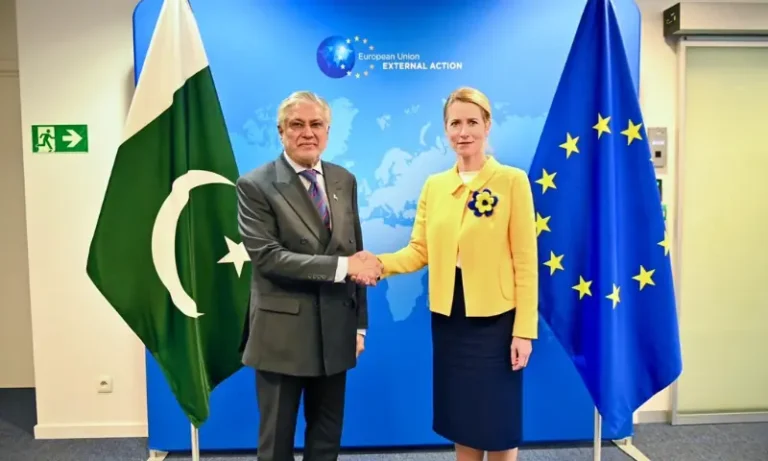
The seminar is expected to highlight several important issues, including the spread of disinformation, platform accountability, national security, regulatory challenges and freedom of expression. International participants can share their knowledge and experiences of dealing with similar problems in other countries. Their contributions will help Pakistani researchers and policymakers understand which regulatory approaches have worked elsewhere and which have produced unintended consequences. SDPI’s initiative can make a meaningful contribution to informed policymaking, particularly if the discussions lead to practical recommendations and continued institutional engagement.
Global social media companies must also recognise their responsibilities towards countries where they operate and generate revenue. Pakistani users deserve accessible complaint mechanisms, timely responses to unlawful content and fair enforcement of platform policies. Companies should employ professionals who understand Pakistan’s languages, cultural traditions and social sensitivities. At the same time, government regulation must remain transparent, proportionate and consistent with constitutional rights. Silencing legitimate criticism in the name of combating misinformation would only weaken public confidence. The UNESCO Guidelines for the Governance of Digital Platforms offer useful guidance in this regard.
Another neglected aspect of this debate is digital literacy. Pakistan’s educational institutions need to teach young people how to evaluate information, identify unreliable sources and distinguish evidence from opinion. Parents, teachers, journalists and religious scholars can also play a constructive role. Even something as simple as checking the original source of a video before forwarding it to a WhatsApp group can help prevent the circulation of misinformation.
Governments cannot address this problem through legislation alone. Citizens must accept responsibility for the information they consume and share
Public institutions, too, have an obligation to communicate honestly and promptly. When credible information is unavailable, rumours naturally fill the vacuum. Independent journalism and research must therefore remain central to any national strategy for combating disinformation.
The success of the SDPI seminar should ultimately be measured by its ability to translate informed discussion into practical action. Pakistan needs sustained cooperation between government institutions, technology companies, academia, journalists and civil society. Social media should remain a space for knowledge, constructive criticism and meaningful public engagement rather than hostility and deception. Technology will continue to change, but the responsibility to protect truth belongs to all of us. A society that loses its ability to distinguish fact from fiction risks losing its capacity to make informed decisions about its own future.

