


Taliban GDI Propaganda Campaign Targets Pakistan’s Credibility
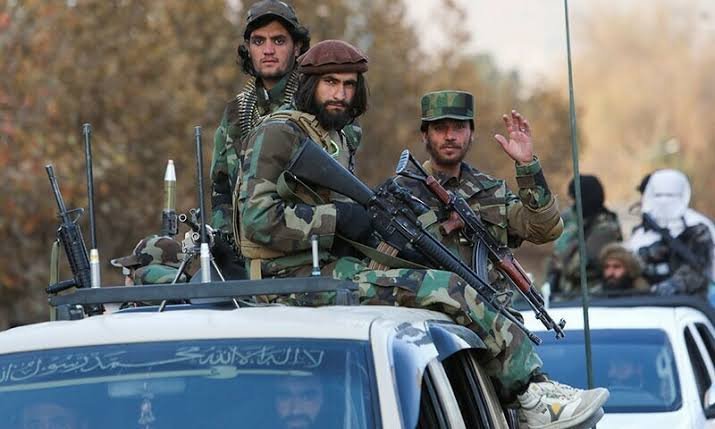
There is a troubling pattern emerging from Kabul that deserves the world’s full attention. The Taliban regime’s General Directorate of Intelligence (GDI), an apparatus long documented for coercing confessions and running disinformation networks, appears to be deploying its dark tradecraft in a new direction: engineering a systematic smear campaign designed to frame Pakistan as the origin and sponsor of the very terrorism that the Taliban itself has repeatedly failed to confront.
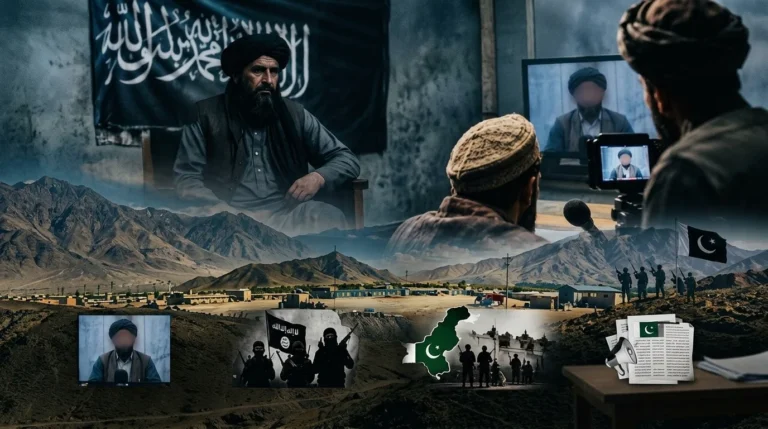
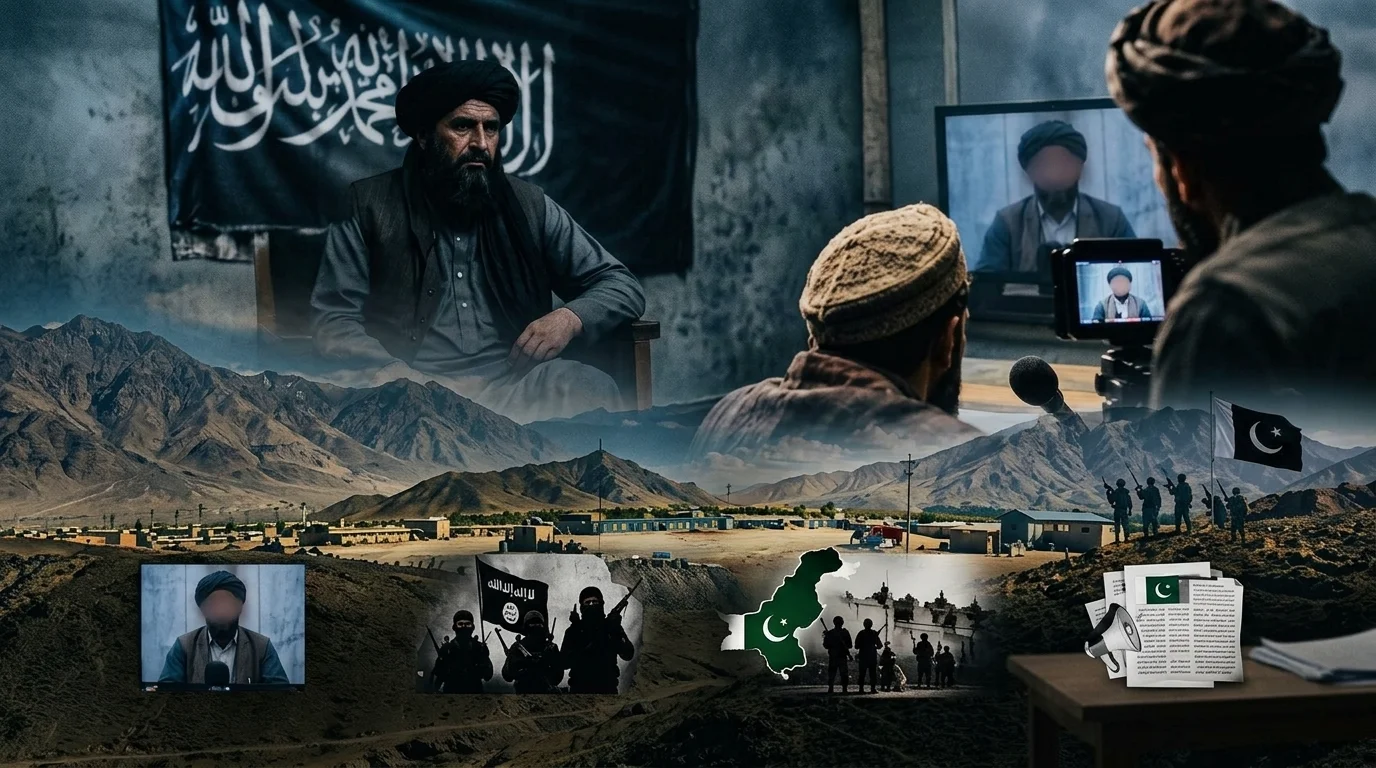
The mechanics of this campaign, as intelligence assessments and media investigations increasingly suggest, are as cynical as they are calculated. Afghan nationals are reportedly being recruited, or more accurately, coerced, into recording statements in which they claim affiliation with ISKP or Afghan resistance groups, and allege that their training occurred inside Pakistan. These manufactured testimonies are then intended for two purposes: diplomatic lobbying and social media saturation. Taliban officials will reference these staged confessions in media interactions while the GDI simultaneously circulates them through fake accounts and sympathetic platforms to shape international perception.
This is not speculation. Leaked documents from the Taliban’s General Directorate of Intelligence (GDI) show that the group has allocated a budget of more than 70 million Afghanis to advance a broad propaganda and media campaign, using media outlets and fake accounts to portray opposition fronts as weak and sow discord. One of the explicit goals embedded in those leaked documents was ensuring that “reports on the relations between anti Taliban groups and Pakistan should be published and emphasized so that the public perceives these fronts as dependent on Pakistan.” This is the blueprint, and what we are now seeing with ISKP is a direct extension of that same doctrine, retrofitted to target Pakistan’s relationship with regional powers.
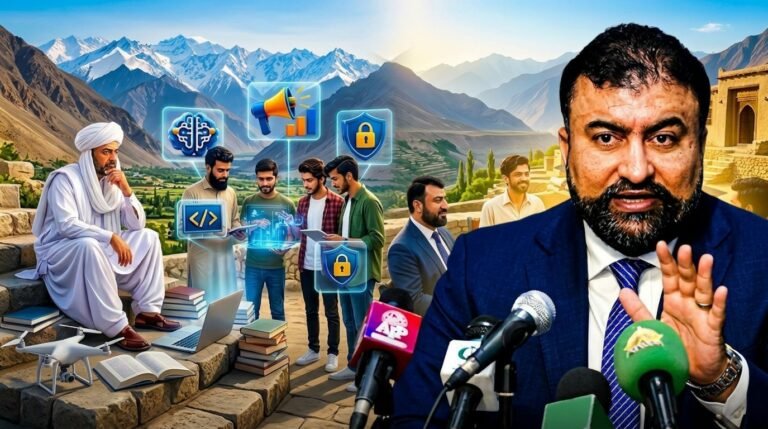
The timing is not accidental. Al Mirsad’s messaging revolves around three objectives: delegitimizing Islamic State Khorasan Province (ISKP), repositioning Pakistan as Afghanistan’s principal external adversary, and projecting the Islamic Emirate as a sovereign state operating within an emerging multipolar order. Many of these narratives appeared before major Pakistan Afghanistan tensions escalated in 2026, suggesting prior narrative preparation rather than reactive messaging. This is premeditated narrative warfare, not a spontaneous response to events.
The choice of audience for these fabricated claims is strategically astute. Russia, in particular, is laser focused on the ISKP threat. Russia’s Foreign Minister Lavrov warned of continued ISKP activity along Afghanistan’s borders with Turkmenistan, Tajikistan and Uzbekistan, including efforts to establish networks and facilitate attacks in Central Asia. By feeding Moscow’s existing anxieties with staged “evidence” linking ISKP to Pakistan, the Taliban hopes to redirect international scrutiny away from Afghan soil and onto Islamabad. At a May 26 meeting of the security chiefs of CIS countries, Russia’s FSB Director Alexander Bortnikov told the assembled representatives that ISKP is actively threatening the region, precisely the audience that Taliban disinformation is calculated to reach and influence.
And yet the irony is staggering. The Taliban regime accuses Pakistan of covertly supporting ISKP for attacks in Pakistan, an allegation that has no merit. The actual ISKP camps, cells, and logistical networks operate extensively from within Afghan territory, a fact Pakistan has repeatedly and publicly documented. Pakistan’s Ministry of Information and Broadcasting called the Taliban’s cross border strike claims “fake and nefarious,” countering that camps belonging to ISKP and more than “two dozen” other terrorist organizations are located, run, and sponsored from inside Afghanistan.
The GDI’s forced confession machinery has a well established precedent. A new trend in Taliban repression involves forcing arrested individuals to record confessions that are then broadcast on Facebook pages affiliated with the General Directorate of Intelligence. RSF described this as “a strategy of inflicting terror” in which the GDI seeks to “turn journalists into criminals to justify their detention.” What was once used to silence journalists inside Afghanistan is now being adapted as a geopolitical weapon targeting a neighbor state.
Pakistan’s challenge in countering this campaign is compounded by a genuine narrative deficit in the diplomatic arena. Pakistan faces a growing narrative deficit on Afghanistan. China, Russia, Iran and the Central Asian states do not face cross border threats on the same scale as Pakistan, which shares a 2,640 kilometre border with Afghanistan and faces persistent terrorist attacks. The Taliban understands this asymmetry and is exploiting it ruthlessly.
Meanwhile, the Taliban’s own house burns. The Khawarij plague, TTP, ISKP, and affiliated terrorists, is a fire that was lit on Afghan soil, fed by Afghan based logistical networks, and directed outward. The Taliban alleged that fighters repelled inside Pakistan were recruited by Pakistani intelligence and included Islamic State fighters. Pakistan denied the claims, while videos on X linked to the Taliban claimed to show captured fighters confessing to being trained by Pakistani intelligence.
The pattern is unmistakable: coerced video, unverified claim, viral social media circulation, the GDI playbook repeated with industrial efficiency.
As part of their broader propaganda efforts, Taliban linked accounts on X routinely disseminate falsehoods and fabricated narratives meant to inflame tensions, including fake letters and false claims of rifts between friendly intelligence services. Digital weaponization is no longer a side tactic for Kabul. It has become a core instrument of statecraft.
What is most damning is what this campaign reveals about the Taliban’s priorities. A regime genuinely committed to addressing terrorism would focus its intelligence resources on dismantling the Khawarij infrastructure operating within its own borders. Instead, the GDI is spending 70 million Afghanis staging propaganda theater, recording manufactured confessions, and lobbying foreign capitals with fabricated evidence. The energy that could go into eliminating terrorists is being channeled into protecting their sanctuary by defaming the one country that has paid the heaviest price for Afghan origin terrorism.
The international community, especially Russia, Tajikistan, Uzbekistan, and Iran, must approach Taliban provided “evidence” with rigorous skepticism and demand verifiable, independently corroborated intelligence before adjusting their assessments of Pakistan. The GDI has demonstrated, through leaked documents and documented coercion, that it views truth as a tool to be manufactured, not discovered. Recognizing that fact is the first step toward neutralizing this campaign before it does lasting damage to regional stability.