


New Provinces in Pakistan and the People’s Demand for Justice
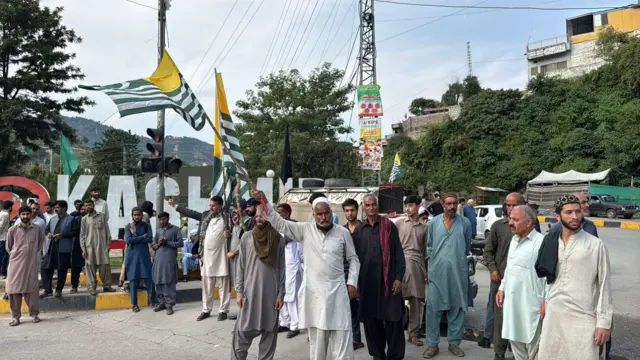
When an ordinary citizen standing in the main bazaar of Haripur says, “Provinces should be created, but politicians are only handing out lollipops,” this is not merely one person’s opinion. It is the voice of millions of Pakistanis who have been fighting for their rights for decades. From Hazara to Taunsa, from Koh Sulaiman to Haripur, everywhere there is a shared cry of deprivation that no one has answered yet.
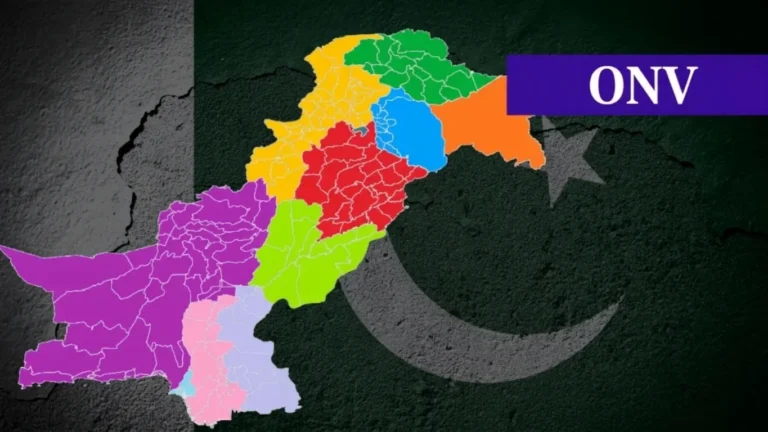
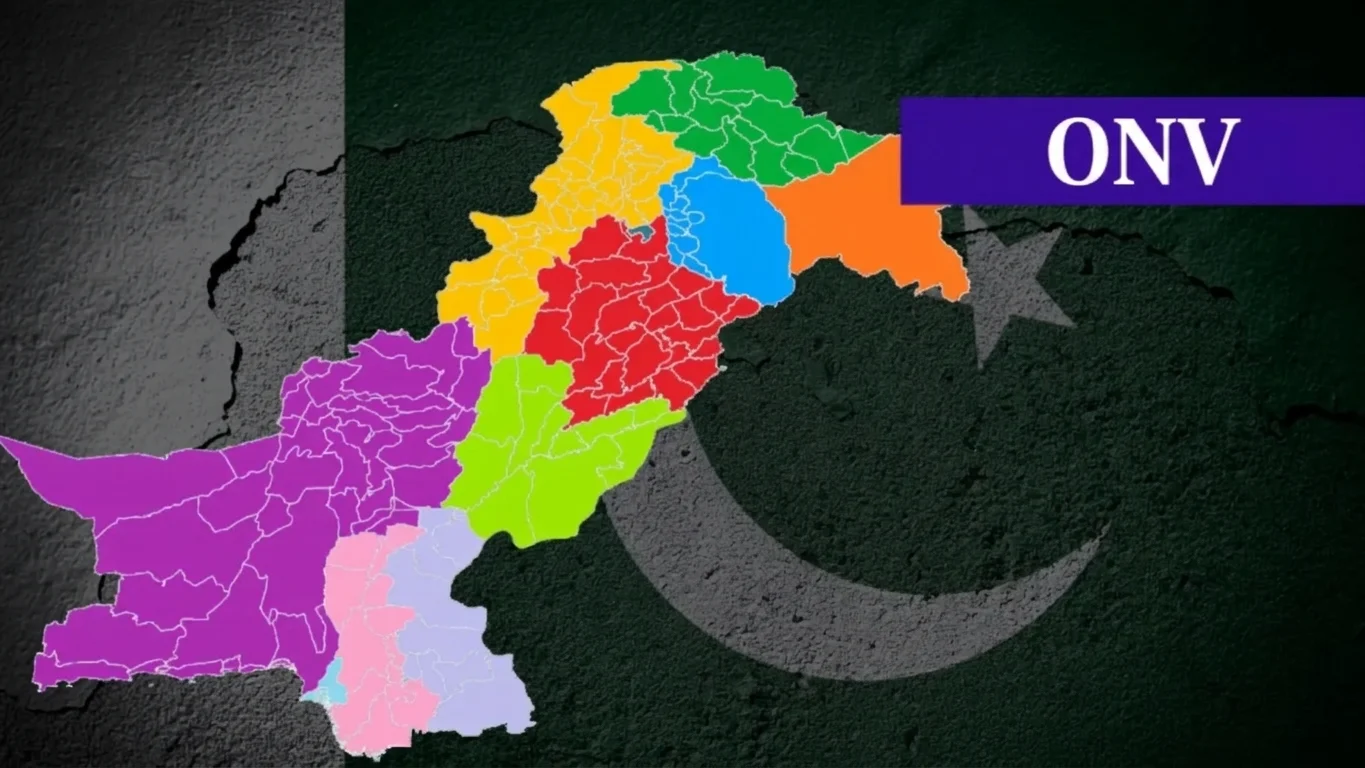
Pakistan today is locked within a federal structure of four provinces. Pakistan comprises seven administrative units including Islamabad Capital Territory, Gilgit Baltistan, Azad Jammu and Kashmir, and four provinces. The demand for new provinces has persistently risen on the basis of administrative, political, economic, and cultural reasons. But the question is: will this demand ever truly be met, or will politicians continue using it purely for their own interests?
The voices gathered on the ground in Haripur all agreed on one point. Provinces should be created, but political parties, instead of coming together on one platform, are busy running their own shops. This is a bitter truth. The central leadership of PML N, PPP, PTI, and other parties announced their support for the creation of Hazara province, yet no practical step has been taken to this day. In December 2025, the Khyber Pakhtunkhwa Assembly unanimously passed a resolution calling for the creation of Hazara province and urging the federal government to initiate the constitutional process. This was a significant step, but so far it remains only on paper.
The grievance of the Hazara people is not merely about a name or identity. It is the pain of jobs, recruitments, and distribution of resources. In government offices, hospitals, and the police force, people from Hazara are left behind while those from Frontier and Peshawar move ahead. This deprivation is not imagined. It is real. Research studies show that the Hazara region is rich in mineral resources and hydropower projects, yet the local population does not receive the real benefit from them.
The situation in South Punjab is even more heartbreaking. Children in Taunsa Sharif and Koh Sulaiman sit on bare floors in crumbling schools with no roofs, no funds even for whitewash, while Lahore continues to gleam. Political workers from the Saraiki belt say that Punjab’s education budget is in reality Lahore centric, and distant districts are left empty handed. One province holds 141 seats in the National Assembly while the remaining three federal units together hold 128. This imbalance is both a constitutional and a moral issue.
Smaller provinces open the path to better administration, and better administration strengthens national cohesion. When people receive their territorial recognition, the sense of deprivation diminishes. This is no theoretical argument. A citizen of Haripur put it in the simplest words:
“They don’t understand our language, we don’t understand theirs, and that is why our work keeps getting stuck.”
This is a practical problem that demands a practical solution: smaller administrative units.
The demand for new provinces is rooted in socioeconomic, political, and cultural factors, and the existing structure has failed to address the long standing grievances of the people. The most visible symptom of this failure is the NFC Award issue. Under the current NFC formula, provinces receive 57.5 percent of national revenues while the federal government receives 42.5 percent, but this money does not reach down to the district level. This is precisely why schools in Taunsa are in ruins and young people in Haripur wander around clutching degrees, searching for jobs that don’t exist.
Following the 26th and 27th Constitutional Amendments, there is now talk of a 28th Amendment, at the heart of which lie the fiscal imbalance between the federation and provinces, and the possibility of creating new provinces. Among the proposals that have surfaced is one to eliminate the existing requirement for a provincial assembly resolution before new provinces can be carved out. This proposal could spark a political storm, because Sindh Chief Minister Murad Ali Shah has made it clear that no legislation is possible without the PPP’s consent.
This is precisely the political obstacle that the people of Haripur spoke about. Every party supports the idea with words but hesitates to act, because once provinces are formed, existing politicians will lose their sphere of influence, vote banks will fragment, and new faces will emerge. This collision between political self interest and public interest is the single greatest barrier to resolving this issue.
Pakistan is often presented with a false choice, either new provinces or a fair distribution through the NFC Award, when in fact both can happen simultaneously, and both are needed. The demand of the people is entirely clear: they want to see their problems resolved at their own doorstep, conduct government business in their own language, secure jobs for their children, and keep their culture alive.
These are not unreasonable demands. They are the fundamental rights of every citizen.
The time has come for political parties to stop distributing lollipops, set aside their differences, and open the constitutional path toward new provinces through national consensus. Hazara first, this is what the people of Haripur are saying, and there is truth in their voice.

