


Seven Fighters Jets Shot Down Paki-India May Conflict, Trumps Claims
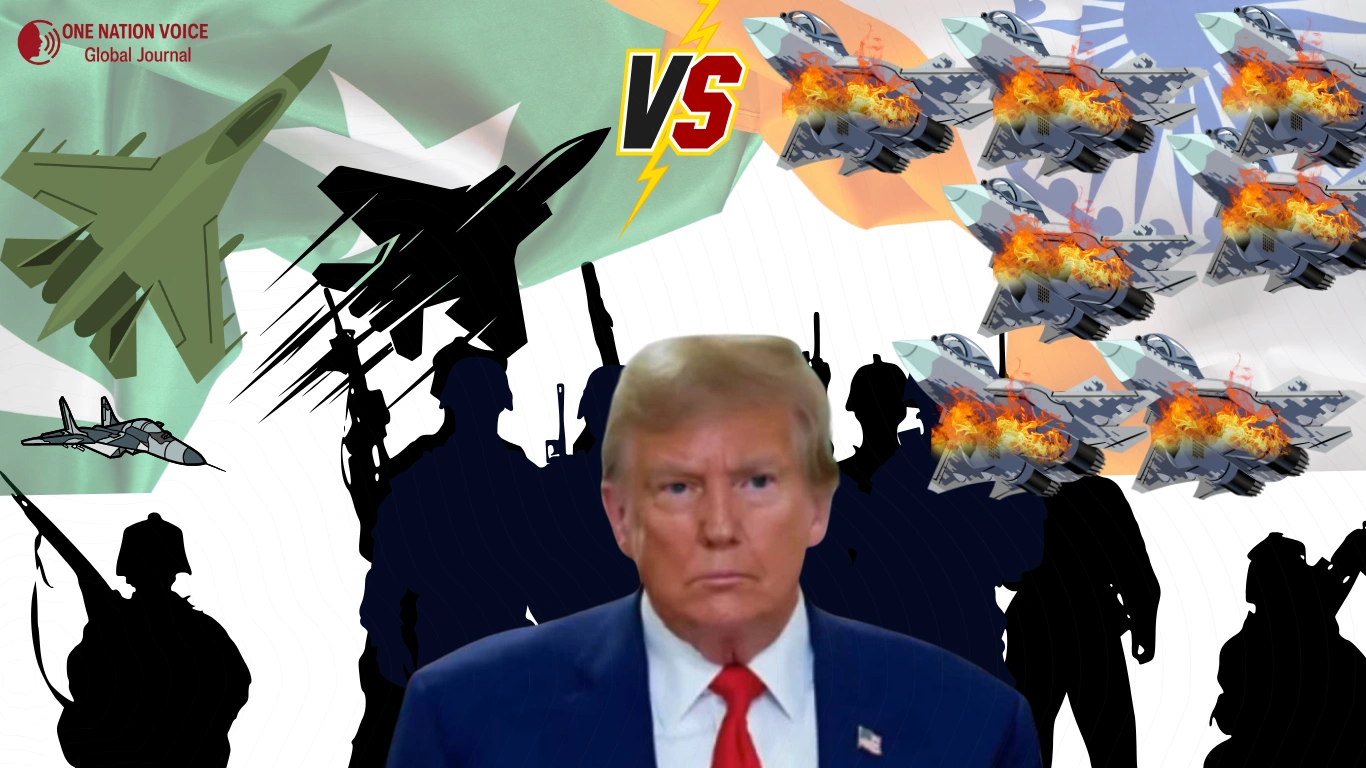
Seven Fighters Jets Shot Down During Paki-India May Conflict, Trumps Claims
Facts and Claims of Four Day Air Battle
Two nuclear power neighbors, India and Pakistan, have a long history of enmity, involved in a momentary but strong aerial conflict in May 2025. India launched missile attacks inside Pakistan in an operation known as Sindoor after a lethal terror attack in Indian controlled Kashmir flashed the calamity. Claims of aerial victories and losses spread quickly as fighter jets flew and missiles marked across borders. Former United State President Donald Trump recently blew the flames by claiming that his intervention prevented a possible nuclear war and that seven fighter jets were shot down during this conflict. Seven Fighters Jets Shot Down During Paki-India May Conflict, Trumps Claims.
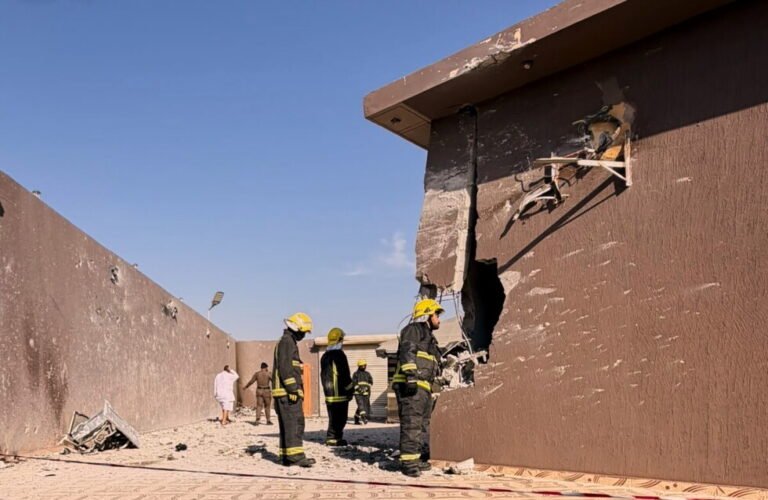
The two states confronted each other’s armed targets during the air conflict, which stormed from 7 May to 10 May 2025. Air Chief Marshal of India, Amar Preet Singh officially professed that Indian forces used refined Russian made S 400 surface to air missiles to bombard down five Pakistani combatant jets and a generous investigation airplane. These assaults targeted significant armed connections and airbases in Pakistan. Pakistan repudiated India’s claims of fatalities, demanding it had productively shot down six Indian aircraft, comprising three Rafale jets. India has mostly terminated these claims, admitting the loss of only a few jets but not to the extent Pakistan assumed. Due to information from both sides during the war, the exact number of aircraft lost is still up for discussion. Experts acknowledge that this uncertainty is common in Indo-Pak battles, where armed engagement is accompanied by information warfare.
Trumps Claims: Seven Jets and Preventing Nuclear War
Months after the battle, Donald Trump astonished the public by claiming that seven jets were shot down during the battles, going beyond previous statements. He also declared that by intimidating strict charges on both countries, he was capable to force them to agree to a truce within 24 hours and prohibited the battle from turning into a nuclear war. While there is still slight sovereign validation of Trump’s exact effect, his form gives the conflict narrative a worldwide political viewpoint. Some Pakistani officials confess Trump’s part in the truce, which India and Pakistan say was carried about by diplomatic and armed infrastructures. Because of the difficulty of politics, Trump’s explanation is different from official ones.
The Outcome and Lesson Learned
The May conflict was momentary; it left both countries with marks. It demonstrated how aerial warfare is changing by utilizing drone and missile warfare in addition to current air defense systems like the S-400. The violent conflicts, which elaborate about 110 aircraft and were between the leading in recent decades, confirmed the real risks of open war between two nuclear power countries. The demonstration highpoints South Asia’s risky peace, where territorial clashes like Kashmir continue to serve as food for future conflicts. Furthermore, it highlights how important mediation is in avoiding military flare ups from deteriorating into overwhelming wars, with outside parties infrequently playing slight roles in the context.
The instance connecting downing of seven fighter jets in May 2025 conflict among India and Pakistan, which heightened by Donald Trump’s declarations, is still a mixture of political playhouse, fact, and clash. Although there may never be agreement on the accurate facts of the downed aircraft, the event serves as powerful reminder to the world of how easily local tensions can degrade and how important control and communication are to avoiding devastation. The lessons learnt from this transitory battle highlight the rank of dialogue, peace building, and observance in a factually sensitive area as India and Pakistan move onward.
Stay tuned to One Nation Voice for comprehensive coverage of diplomacy, foreign policy, and regional cooperation.
For more in depth coverage, expert analysis, and exclusive visuals, visit One Nation Voice . Join the conversation, explore our archives, and be part of a global community shaping tomorrow’s headlines.
Follow One Nation Voice on X, LinkedIn, Instagram and Facebook for insights on business, finance and tech from Pakistan and across the world.

