
Pakistan and the FY2027 US Drug List
The inclusion of Pakistan in the United States’ list of major drug-transit or major illicit drug-producing countries for fiscal year 2027 has the potential to generate dramatic headlines. Read in isolation, the terminology sounds severe. Read in the context of the actual Presidential Determination, however, it conveys something considerably more technical. The distinction matters because foreign-policy documents are easily misunderstood when a statutory classification is presented as though it were a fresh diplomatic judgment against a particular country.
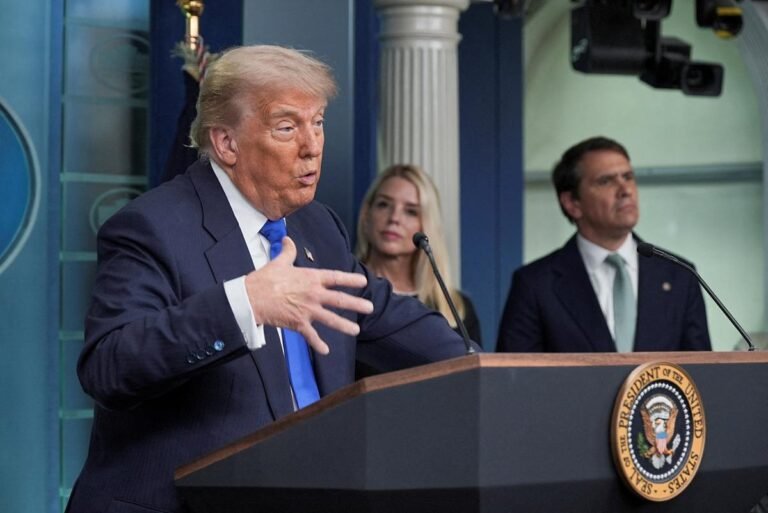
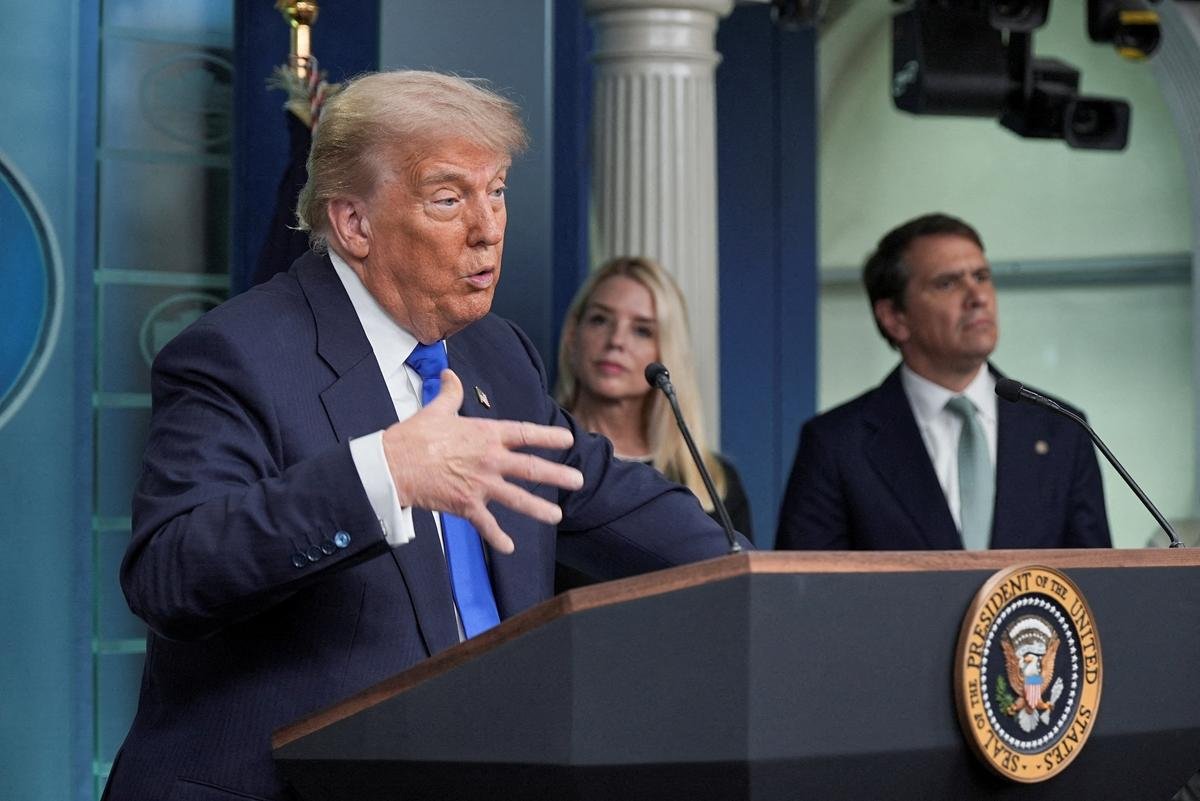
On 16 September 2026, the White House announced President Donald Trump’s FY2027 “Major’s List”, following submission of the Presidential Determination to Congress on 15 September. Pakistan is one of 23 countries identified alongside Afghanistan, India, China, Mexico, Colombia, Peru and several others. The determination itself makes an important qualification. Presence on the list is “not necessarily” a reflection of a government’s current counterdrug efforts or its coordination with Washington. Countries may appear because geography, commerce and economic conditions allow drugs or precursor chemicals to be produced or transported through their territory, including where governments are undertaking serious law-enforcement measures.
That qualification should be central to any serious discussion of Pakistan’s inclusion. Pakistan occupies a difficult geographical position. It sits close to Afghanistan, historically one of the world’s most important sources of illicit opiates, while also connecting Central Asia, South Asia, the Arabian Sea and major international trading routes. Geography that creates opportunities for legitimate commerce and regional connectivity can simultaneously be exploited by transnational criminal networks.
Being situated along trafficking corridors is therefore not the same thing as being accused of deliberately facilitating those corridors
The structure of the American determination makes this difference even clearer. Washington separately identified Afghanistan, Bolivia, Burma and Colombia as countries that had “failed demonstrably” during the preceding 12 months to make substantial efforts to fulfil specified international counternarcotics obligations. Pakistan was not included in this second and considerably more consequential category. India was not included either. Treating Pakistan’s appearance on the broader 23-country list as equivalent to a finding of counternarcotics failure would therefore collapse two legally distinct classifications into one.
Continuity is equally important. Pakistan and India appeared on the FY2026 list as well. The previous determination used virtually the same explanation, stating that listing could result from geographic, commercial and economic factors even where a government had undertaken robust narcotics-control and law-enforcement measures. In FY2026, Pakistan was again listed without being placed in the “failed demonstrably” category. Indeed, official US records show Pakistan appearing in earlier annual determinations too, illustrating that the mechanism predates the latest announcement and is part of a recurring statutory reporting process rather than a newly invented Pakistan-specific instrument.
This does not mean that Pakistan should treat narcotics trafficking as a minor problem. Quite the opposite. Its location creates enduring responsibilities in border management, financial intelligence, customs enforcement, precursor-chemical monitoring and cooperation against transnational criminal organizations. Drug networks do not respect political borders. They exploit informal crossings, commercial supply chains, maritime routes, digital finance and weaknesses in regional law-enforcement coordination.
A country positioned at the intersection of several regions has every reason to strengthen its institutional capacity regardless of how Washington classifies it
But precision is essential. There is a meaningful difference between acknowledging a structural trafficking risk and claiming that the United States has newly condemned Pakistan for failing to control narcotics. The available document supports the former interpretation, not the latter. The wording chosen by the US administration itself cautions against using inclusion as an automatic measure of government performance.
The comparison with Afghanistan makes the distinction especially visible. Both Pakistan and Afghanistan are included on the broader list because both form part of a regional environment affected by narcotics production and transit. Yet only Afghanistan was placed among the four countries judged to have “failed demonstrably” during the previous year. That separate finding carries an explicit assessment of governmental performance that Pakistan’s listing does not. Conflating the two would obscure rather than illuminate the actual American position.
There is also a wider lesson here about how international reports are communicated. Technical terminology often travels faster than the qualifications attached to it. A headline saying that Pakistan has been placed on a US “drug-producing countries list” may attract attention, but it can leave readers believing that Washington has accused the Pakistani government of producing drugs or abandoning counternarcotics cooperation.
The Presidential Determination expressly warns against precisely such an inference
Pakistan’s appropriate response should therefore combine context with continued enforcement. Islamabad can point out accurately that this is an established annual US statutory mechanism, that Pakistan was already included in FY2026, and that it has not been placed among the governments determined to have failed demonstrably in meeting counternarcotics responsibilities. At the same time, cooperation with regional and international partners against trafficking, precursor chemicals, illicit finance and organized crime remains in Pakistan’s own security interest.
The FY2027 determination should ultimately be read for what it is rather than what an alarming headline might suggest. Pakistan remains on a geographically and economically defined US counternarcotics list, but the document does not constitute a new punitive designation or a finding that Pakistan has failed in its international counternarcotics obligations. That distinction is not semantic. It is the difference between informed interpretation and unnecessary diplomatic sensationalism.

