



Faith as a Force for Unity, Not Mobilization
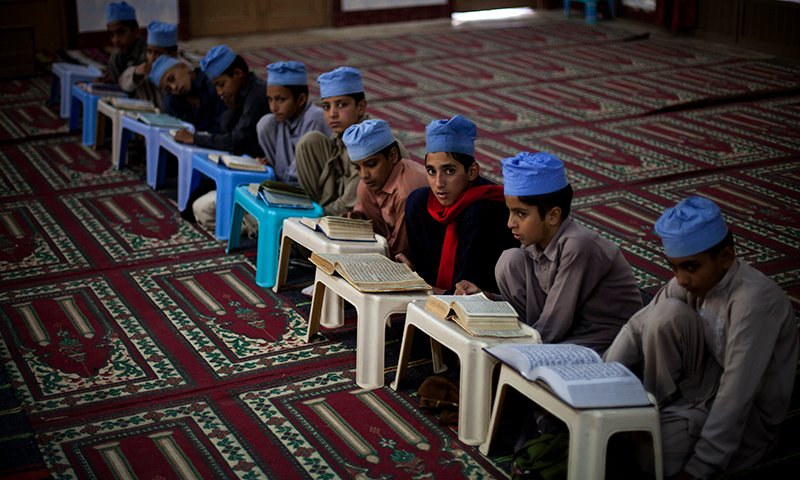
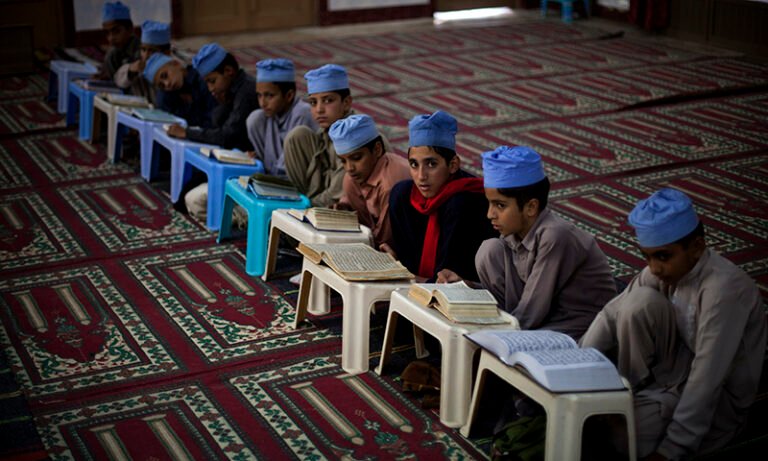
Religious platforms occupy a unique place in Pakistani society. Mosques, Madaris, Friday sermons, religious gatherings and, increasingly, digital religious forums are not simply spaces of worship or theological discussion. They shape public opinion, influence social behavior and help define how communities understand morality, responsibility and coexistence. For millions of people, the words of an Imam, Khateeb or religious scholar carry deep moral authority. This influence makes religious platforms powerful instruments for social harmony, but it also means that their misuse can have consequences far beyond the walls of a mosque or seminary.
At their best, religious institutions provide ethical direction, spiritual comfort, education and community support. They can strengthen compassion, discipline and social responsibility. Problems emerge when these spaces are used to promote hatred, provoke sectarian hostility or mobilize communities against one another. Once religious rhetoric becomes a vehicle for humiliation, accusation or political confrontation, the message of faith risks being overshadowed by anger. Pakistan has already experienced the cost of sectarian polarization, which is why preventing the misuse of religious platforms should be seen as a matter of social protection rather than restriction of legitimate religious expression.
Islam itself offers strong guidance against inflammatory religious discourse. The Qur’an warns believers against insulting what others worship, because such behavior can invite retaliatory hostility and deepen religious confrontation. The principle contained in Surah Al An‘am, verse 108, has particular relevance in a diverse society. Religious disagreement does not require ridicule, humiliation or provocation. Respectful disagreement is entirely compatible with religious conviction. What becomes dangerous is the deliberate use of insulting language to inflame audiences or portray another sect or faith community as inherently threatening.
The same principle applies within Muslim communities. Sectarian differences have existed throughout Islamic history, but intellectual disagreement should never become a justification for hatred or violence. The Qur’anic instruction to “hold firmly to the rope of Allah all together and do not become divided” offers a powerful foundation for preventing sectarian polarization. Unity does not require the disappearance of theological differences. It requires the maturity to prevent those differences from becoming instruments of hostility. A society becomes unstable when disagreement shifts from scholarly debate to public agitation and organized confrontation.
Religious scholars therefore carry a special responsibility. An Imam or Khateeb addressing hundreds or thousands of people does more than deliver a sermon. He helps shape the emotional and moral environment of a community. Words spoken from a religious platform often enjoy a level of legitimacy that political speeches do not. This authority should be exercised with restraint. Sermons should encourage moderation, dignity and peaceful coexistence. They should calm tensions rather than magnify them and should guide communities away from anger rather than push them towards confrontation.
Particular caution is needed regarding takfir and allegations of apostasy. Such accusations are extraordinarily serious and should never become instruments of social mobilization or personal rivalry. Complex questions of belief and jurisprudence belong within the domain of qualified religious scholarship and lawful institutional processes. When ordinary individuals or political actors begin declaring others outside the faith, the result can be dangerous. Such rhetoric can legitimize harassment, vigilantism and violence. No individual should be encouraged to take the law into his own hands on the basis of religious allegations.
Islamic teachings also provide a clear method for addressing disagreement. Surah Al Nahl instructs believers to invite others with wisdom, good instruction and argument conducted in the best manner. This approach places knowledge above anger and persuasion above coercion. Religious differences should therefore be handled through informed discussion, scholarly engagement and respectful dialogue. Religious education should strengthen the ability of communities to understand disagreement without treating it as betrayal or hostility.
The challenge has become more complicated in the digital age. Religious messages now move rapidly through video clips, WhatsApp groups, social media pages and livestreamed sermons. A false allegation or inflammatory statement can reach thousands of people within minutes. This makes verification essential. The Qur’anic command in Surah Al Hujurat to verify information before acting upon it has obvious contemporary relevance. Religious leaders and their audiences should resist reacting to unverified claims, edited clips, fabricated accusations or anonymous social media posts. A rumor that once remained confined to a neighborhood can now provoke tension across an entire city.
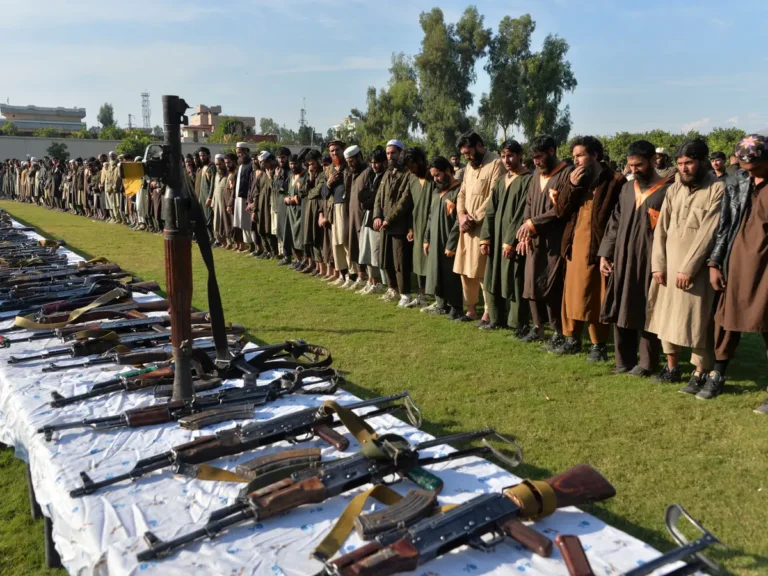
Religious platforms must also remain protected from extremist recruitment and propaganda. Groups that glorify violence often attempt to cloak political agendas in religious terminology. They may portray vigilantism as courage, demonize entire communities or exploit legitimate grievances to justify violence. Religious leadership can serve as a first line of defence by identifying and rejecting such narratives. Clear condemnation from respected scholars can prevent young people from confusing religious commitment with militancy or lawlessness.
Justice must remain central to religious discourse. The Qur’an instructs believers not to allow hatred of others to prevent them from acting justly. This principle demands fairness even in disagreement. Respecting the dignity of other sects, faiths and communities does not weaken religious identity. On the contrary, it reflects confidence, discipline and moral responsibility. A stable society is one in which religious conviction and peaceful diversity are not seen as opposing ideas.
The state also has a legitimate role in protecting religious spaces from extremist exploitation. Pakistan already possesses legal and institutional mechanisms aimed at preventing material that promotes hatred, enmity and sectarian hostility. Enforcement, however, should be accompanied by partnership rather than relying only on punishment. Training for Imams and Khateebs, voluntary codes of conduct, awareness programmes, guidance on responsible sermons, improved verification practices and early identification of inflammatory content can strengthen preventive mechanisms.
Safeguarding religious platforms is ultimately about preserving their sanctity. Mosques, Madaris and religious forums should remain places where people seek knowledge, guidance and moral clarity. They should never become arenas for revenge, sectarian competition or extremist mobilization. When religious leadership, communities and the state work together responsibly, these platforms can perform their most important function by strengthening moderation, social cohesion and peaceful coexistence. Protecting religious discourse from hatred is therefore not an effort against religion. It is an effort to protect religion from being exploited for purposes that contradict its ethical foundations.

