
Nepal’s Unrest, Gen Z Revolt or India’s Strategic Win?
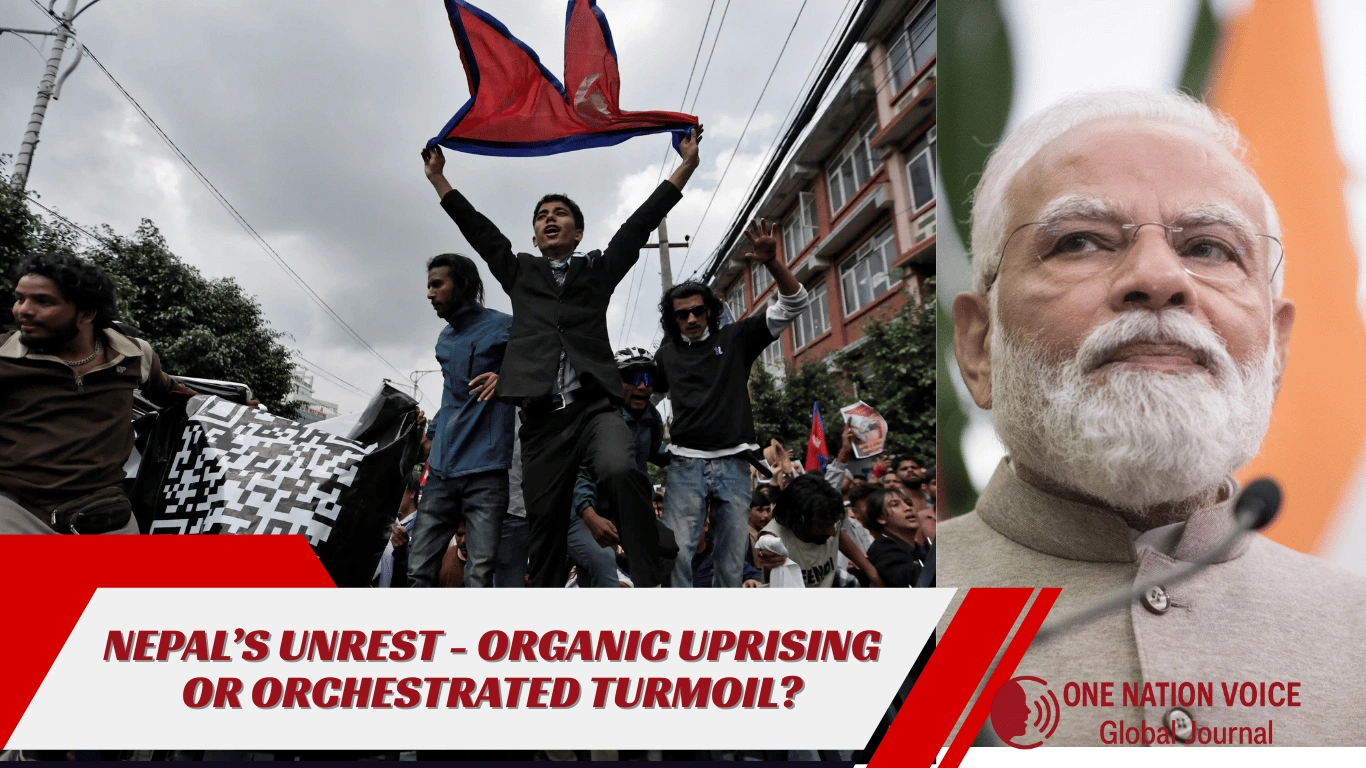
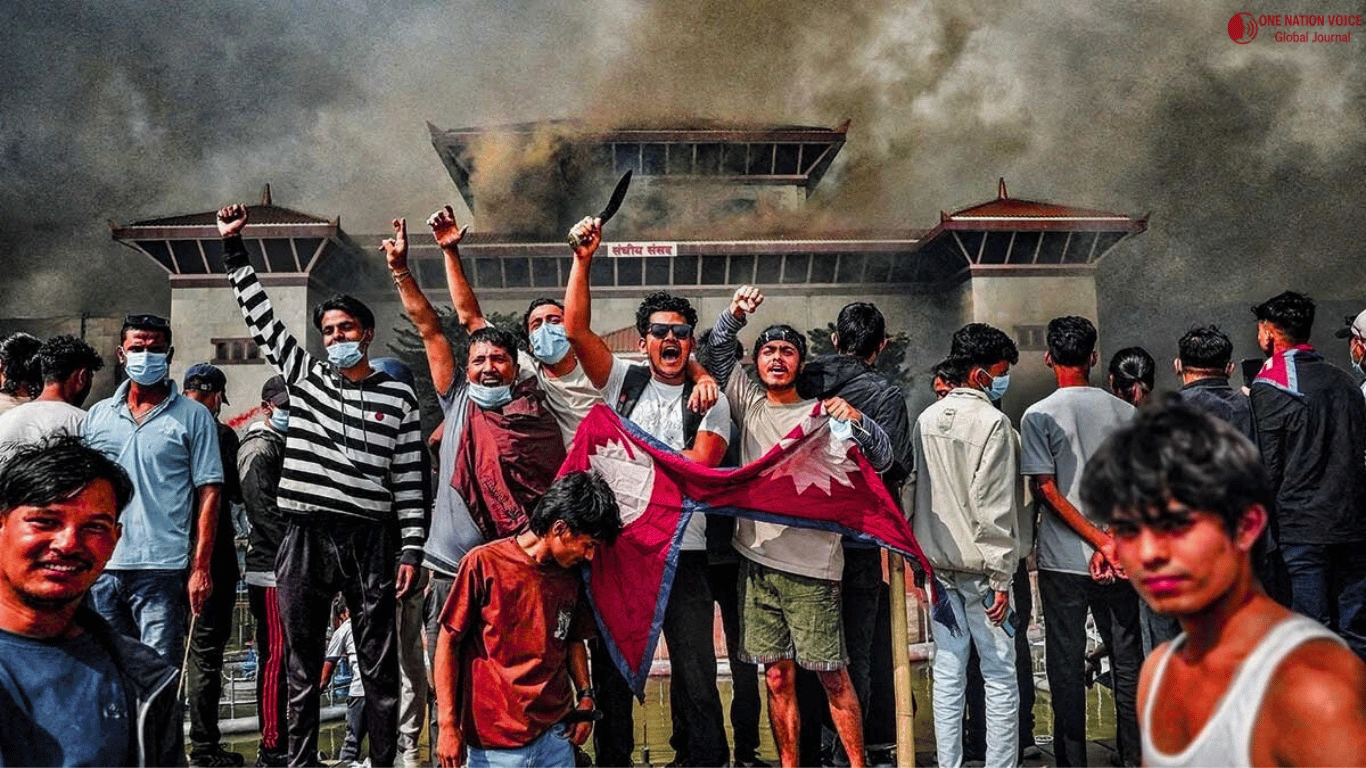
Nepal’s politics has always had its share of turbulence, but what unfolded recently feels different. A government decision to block social media, meant to control “fake news,” backfired almost immediately. Young Nepalis, for whom digital spaces are a lifeline, took it as an assault on their freedom. Within days, Kathmandu’s streets were filled with angry crowds, and by September 9 the protests had pushed Prime Minister K.P. Sharma Oli out of office.
At first glance, it looks like a genuine youth-led revolt. Social media bans rarely go down well anywhere, and in Nepal, where frustration with corruption and nepotism runs deep, the ban became a spark. The protests channeled years of pent-up anger against an establishment seen as unaccountable and disconnected. But the story doesn’t end there.
The Gen Z factor
People have been calling it Nepal’s “Generation Z movement,” and there’s truth to that. Just like Bangladesh’s August 5 protests that toppled Sheikh Hasina, this was driven by digitally savvy youth who know how to mobilize fast. They don’t have the patience for the old political games, and they’re not shy about confronting authority.

Still, the speed of events makes some wonder if something more than youthful anger was at play. Oli’s downfall didn’t just weaken a controversial leader; it conveniently reshaped Nepal’s geopolitical balance.
India’s long shadow
Here’s where India enters the picture. For decades, India has had a habit of poking around in its neighbors’ politics, sometimes openly, sometimes through subtler means. Sri Lanka, Bangladesh and the Maldives, all have stories of Indian interference. It wouldn’t be shocking if Nepal was added to that list.
The Indian media’s reaction was particularly telling. Outlets in Delhi treated Oli’s ouster like a strategic win. They painted it as the removal of a China-friendly prime minister and the return of Nepal to India’s sphere of influence.
The narrative practically wrote itself where youth democracy triumphs, and India benefits. That doesn’t prove India orchestrated it, but it feeds suspicion.
Oli’s China tilt and old disputes
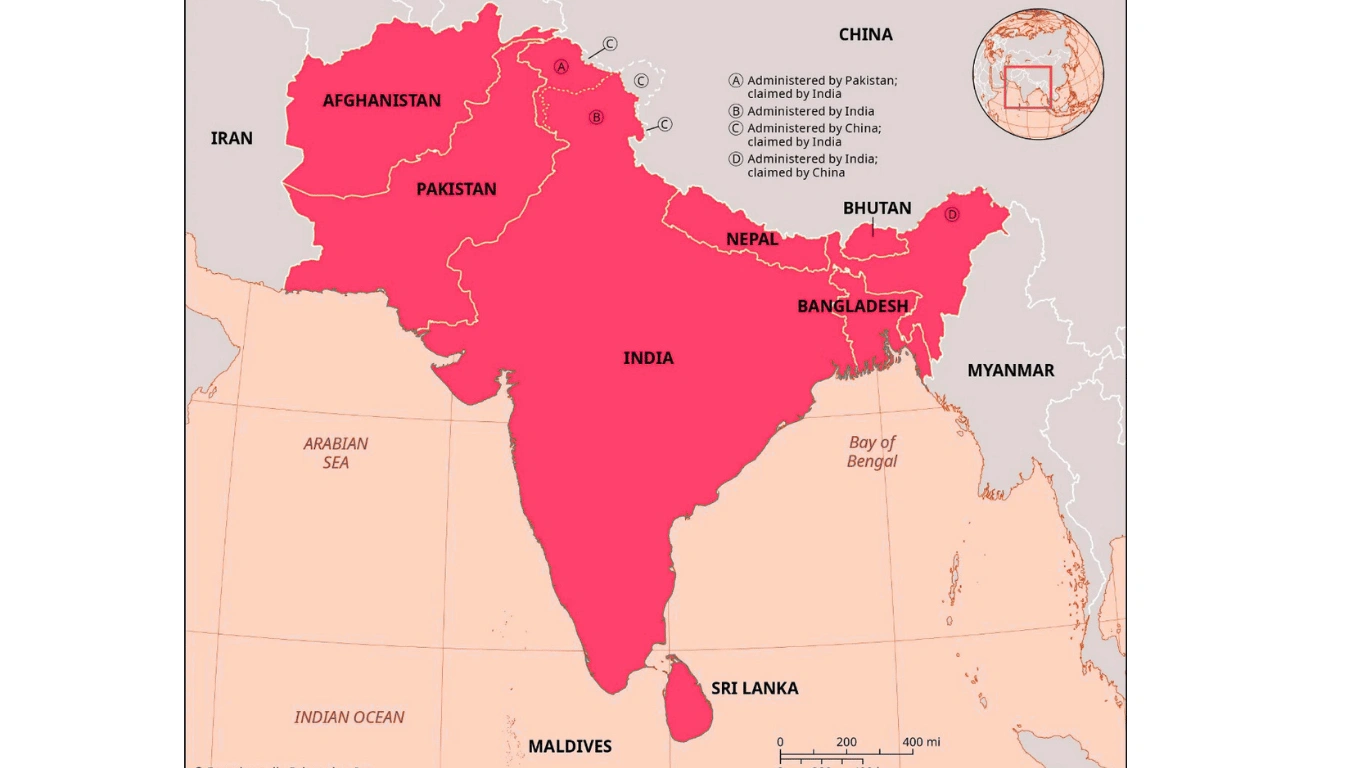
It’s no secret Oli leaned closer to Beijing. His government pushed Chinese investment and resisted Indian pressure on territorial disputes, especially over Kalapani and Lipulekh. In 2020, Nepal even revised its official map to assert claims over these areas, something that didn’t sit well in Delhi.
Connecting the dots, it’s easy to see why New Delhi might welcome Oli’s downfall. Whether India had a direct hand or not, it gains strategically from the shift.
A pattern across South Asia
Look at the region and a pattern emerges. In Bangladesh, India has long shaped outcomes to suit its interests. In Sri Lanka, its meddling goes back to the civil war years. The Maldives too has repeatedly accused India of overreach. Nepal’s unrest feels like another chapter in the same book.
Of course, none of this erases the fact that Nepali youth had plenty of genuine reasons to rise. The anger was real. But it may also have been amplified, redirected, and framed in ways that aligned neatly with India’s goals.
Sovereignty at stake
The bigger picture is worrying. If unrest in Nepal was partly nudged along by outside actors, it raises hard questions about sovereignty. Nepal’s young generation wants accountability, freedom, and dignity. But if their struggle is hijacked by regional power games, they risk becoming pawns in someone else’s strategy.
And then there’s the ideological layer. India’s current leadership isn’t just playing power politics it’s also projecting a Hindutva-driven vision of the region; one where neighboring states are expected to fall in line with Delhi’s worldview. That makes independent governments, like Oli’s, even more vulnerable.
So, was this an organic uprising or an orchestrated one? Probably a messy mix of both. The protests started with real frustration, but their trajectory from a social media ban to regime change in a matter of days looks suspiciously convenient for India.
Nepal now faces a tough road. It must rebuild trust in its institutions while guarding against both internal rot (corruption, nepotism, weak institutions) and external manipulation. For the young protesters, the fight was about freedom and justice. For the region’s bigger players, it was another move in a long geopolitical chess game.
Either way, September 9 will be remembered as more than just the day Oli fell. It was the day Nepal’s Gen Z announced itself as a political force, and the day Nepal’s sovereignty was once again tested in the shadow of its powerful neighbor.
Disclaimer: The views and opinions expressed in this article are exclusively those of the author and do not reflect the official stance, policies, or perspectives of the Platform.

