

UN’s 21st Report on the Ongoing ISIL Threat
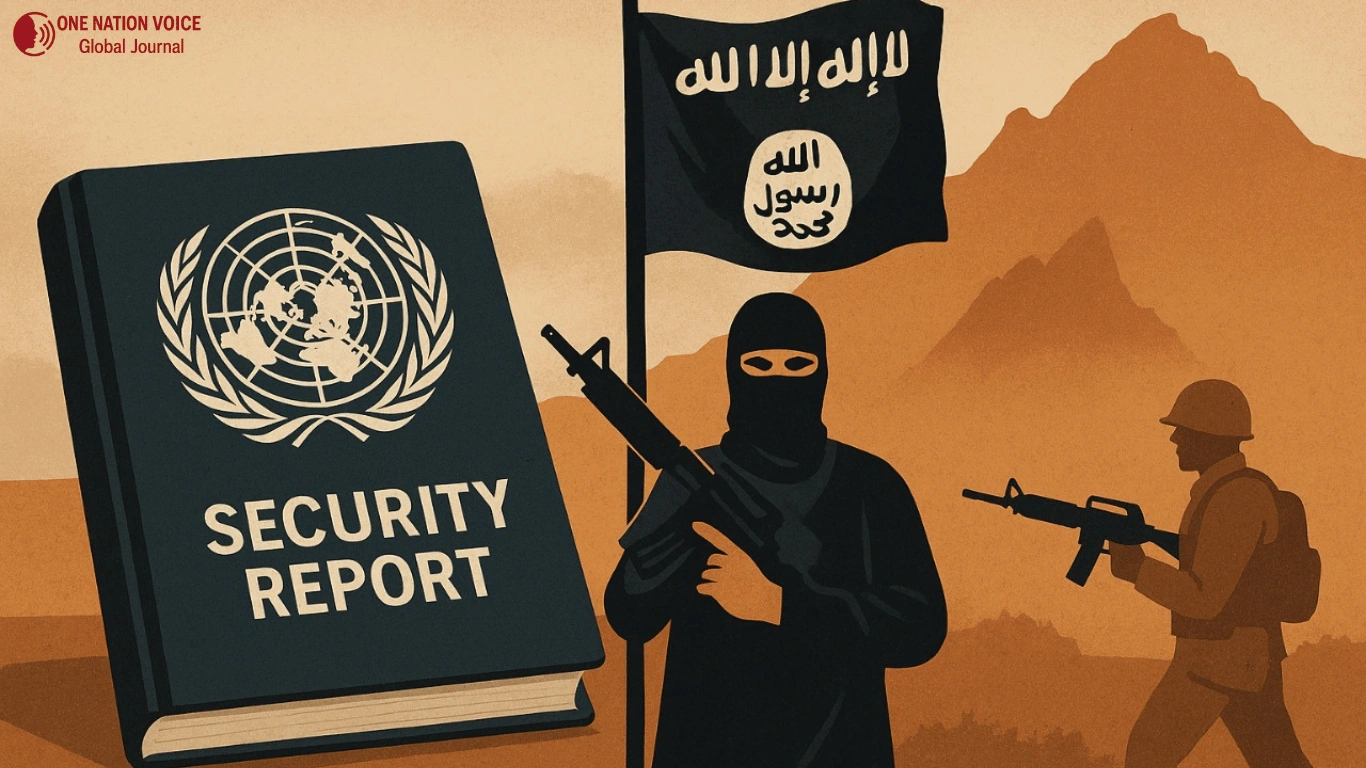
The UN’s 21st report on ISIL, released in August 2025, is blunt about one thing that the group hasn’t gone away. It may have lost its strongholds in Iraq and Syria, but it keeps mutating, finding new ground to survive. Specifically, the affiliate everyone is watching in our region is ISKP, the Islamic State’s Khorasan branch. According to the report, it’s the most serious threat in Central and South Asia right now.
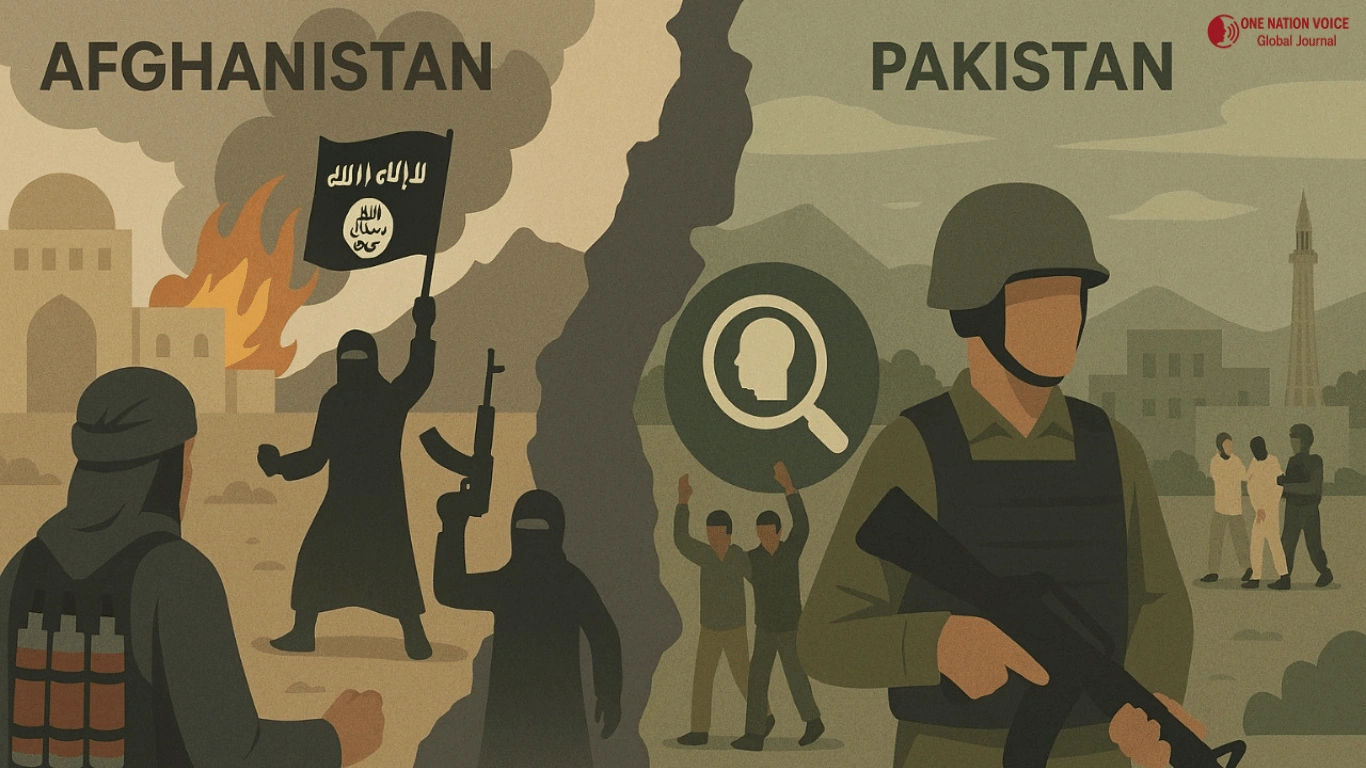
What stands out, though, is the way the UN frames ISKP’s reach. In Afghanistan, it has carved out space in ungoverned areas, staging bloody, high-profile attacks. In Pakistan, it’s a different picture. The report makes it clear that ISKP has been boxed in here, left with only small cells and little chance of claiming territory. That’s not by accident.
Pakistan chose zero tolerance
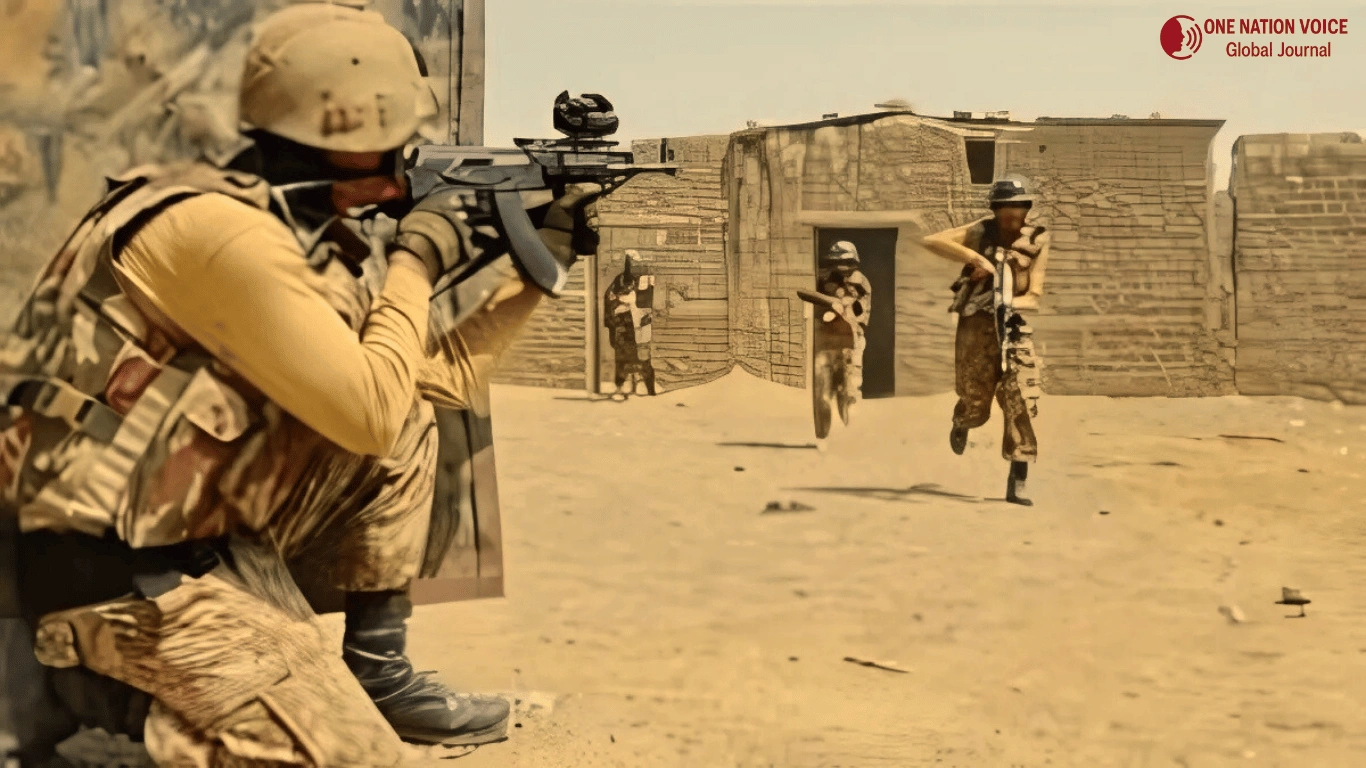
For years, Pakistan has repeated the same line that no group will be allowed to use its soil as a base. At first, it sounded like rhetoric. But the policy hardened into action. Major military campaigns such as Zarb-e-Azb, Radd-ul-Fasaad, and Sarbakaf didn’t just push militants out of tribal regions. Indeed, they tore apart the logistics and networks that kept groups like ISKP alive.
These weren’t small skirmishes. They were years-long efforts that cost thousands of lives, both soldiers and civilians. And they changed the playing field. ISKP might still manage to operate here and there, but it doesn’t have the space to expand the way it has across the border.
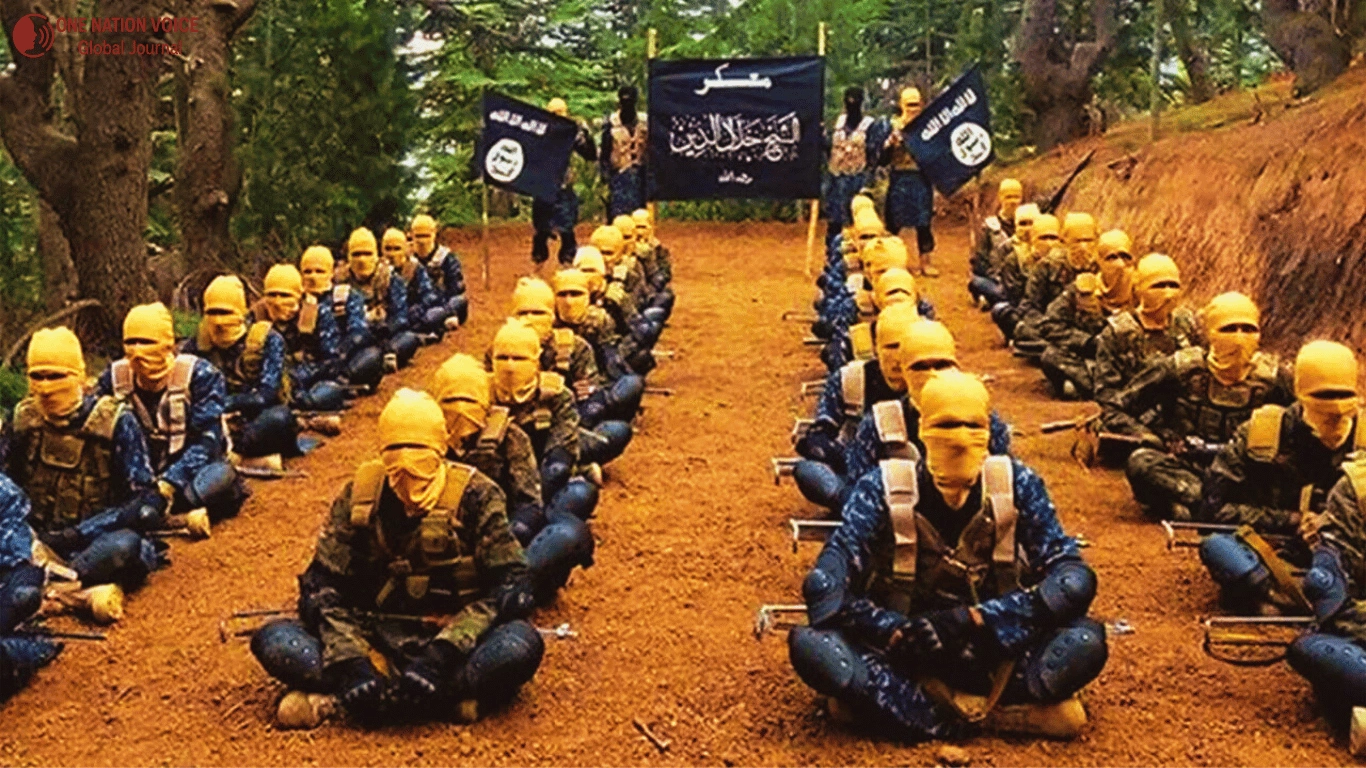
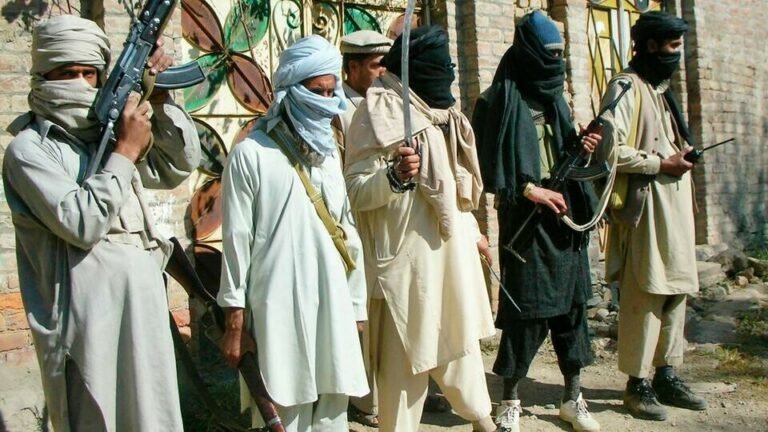
Analyzing Afghanistan, ISKP is still carrying out suicide bombings, targeting minorities, and keeping pressure on an already fragile state. Pakistan hasn’t allowed anything on that scale. Any ISKP presence here is fractured, with no real ability to hold ground.
Intelligence operations keep them under pressure, and even isolated cells find it difficult to coordinate or grow. Moreover, this difference isn’t about luck. It’s about Pakistan consistently putting down roots of extremism before they grow.
National effort, global cooperation
One thing the UN stresses is that countries must own their counter-terrorism strategies. Pakistan fits that model. It didn’t wait for someone else to solve its security problems, it acted. At the same time, it hasn’t ignored the international side of the fight. From intelligence sharing to arrests and handovers of ISKP leaders to partners like the US and Turkey, there’s been cooperation.
And it hasn’t gone unnoticed. Pakistan now chairs the UN Security Council’s sanctions committee and serves as vice-chair of the counter-terrorism committee. Those aren’t ceremonial posts; they show that other countries see Pakistan as a serious player in this fight.
Hitting leadership where it hurts
A big part of ISKP’s weakness in Pakistan comes down to losing leaders. Over the years, many of its top figures were either killed or captured and passed along to allies. Every time that happens, the group must rebuild its command structure, which drains energy and credibility. Without leaders to rally around, ISKP cells in Pakistan end up scattered and ineffective.
Pakistan Sacrifices that mattered
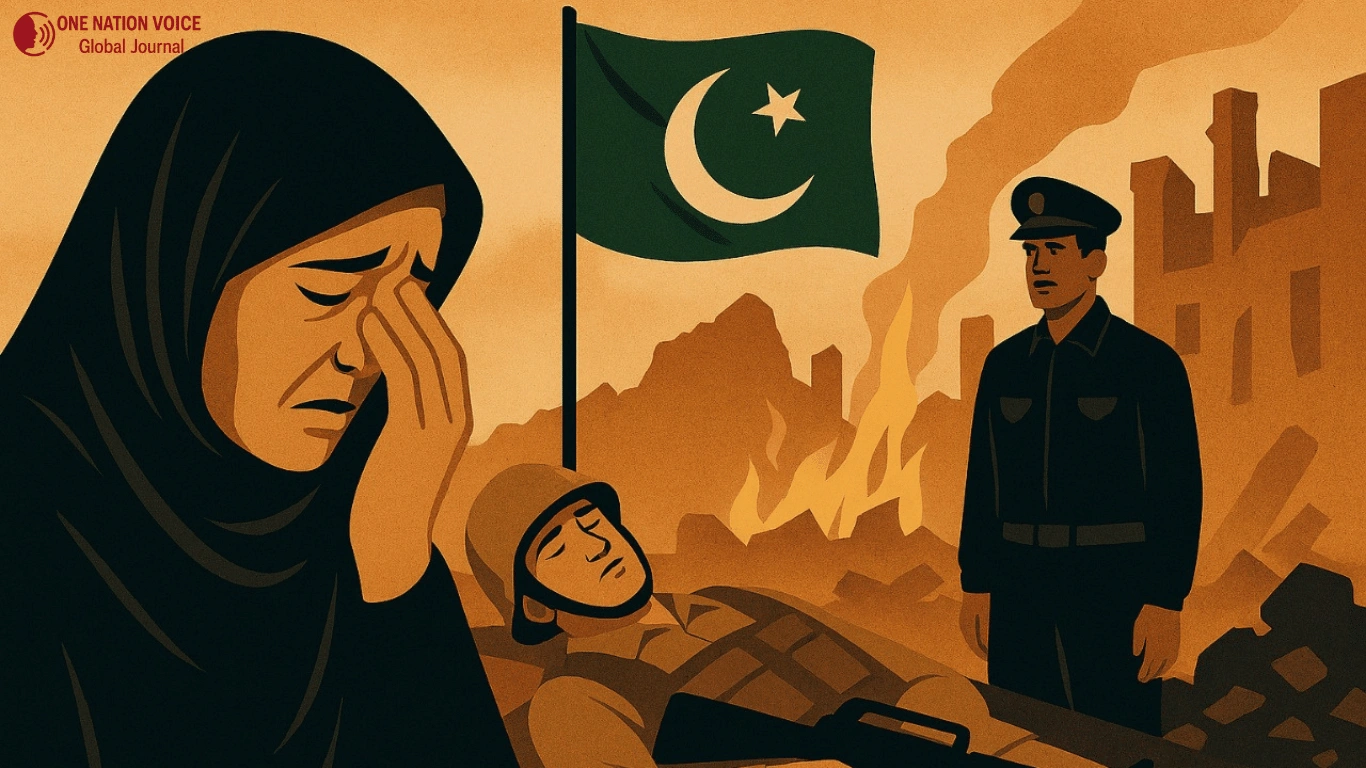
It’s easy to talk about operations and committees, but it’s worth pausing on the cost. Pakistan has paid heavily in this fight, with soldiers on the front lines, police in cities, and ordinary people caught in the blasts.
The UN’s report doesn’t spell out those sacrifices, but by acknowledging how constrained ISKP has become here, it indirectly validates them.
This doesn’t mean the threat has disappeared. ISKP still exists. It still tries to strike when it can.
But the fact that it hasn’t been able to plant deep roots here says a lot about the sustained pressure Pakistan has kept up over two decades.
The report flips the usual narrative. Instead of painting Pakistan as a weak spot for extremists to exploit, it shows the opposite. The country is functioning as a front-line barrier, absorbing pressure so that ISKP doesn’t spread further across the region. That doesn’t mean the job is done, but it does mean the sacrifices and choices have made a difference.
The UN’s 21st report doesn’t hand out praise, but the message is clear that groups like ISKP thrive where the state is absent. Pakistan hasn’t given them that space. By keeping the pressure on, it’s contained what could have been a far bigger problem.
The challenge now is sustaining that effort. Terrorist groups adapt, and pressure must be constant. But for now, Pakistan has shown that a zero-tolerance approach, backed by real action, can work. And in a region where instability spills across borders so easily, that matters not just for Pakistan, but for everyone.
Disclaimer: The views and opinions expressed in this article are exclusively those of the author and do not reflect the official stance, policies, or perspectives of the Platform.

