

Pakistan, Climate Change, and UNGA’s Shared Responsibility Gap
Pakistan, Climate Change, and UNGA’s Shared Responsibility Gap
The 80th session of the UN General Assembly opens on September 9, 2025, with an aspiring theme: “Better together: 80 years and more for peace, development and human rights.” For Pakistan, it’s a chance to remind everyone that climate change is the real test of whether Pakistan is actually “better together”.
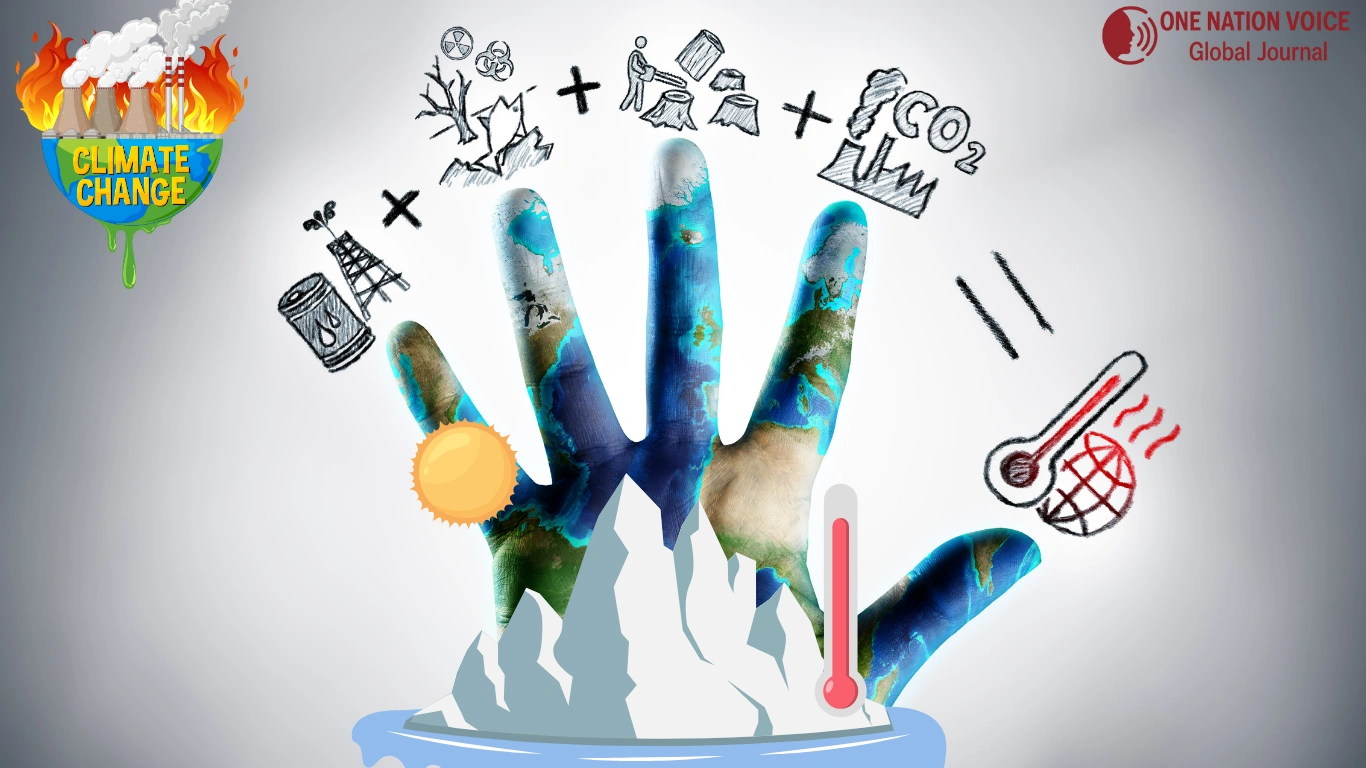
The reason behind these highlights about climate change is that Pakistan’s contribution to climate issue is minute. Less than one percent of global emissions come from here. Despite the whole fact, year after year, Pakistan is being listed among the most vulnerable countries to climate disasters. It is a bitter irony that those who warmed the planet the least are burning, drowning and starving the most.
Pakistan Still Recovering From 2022 disaster
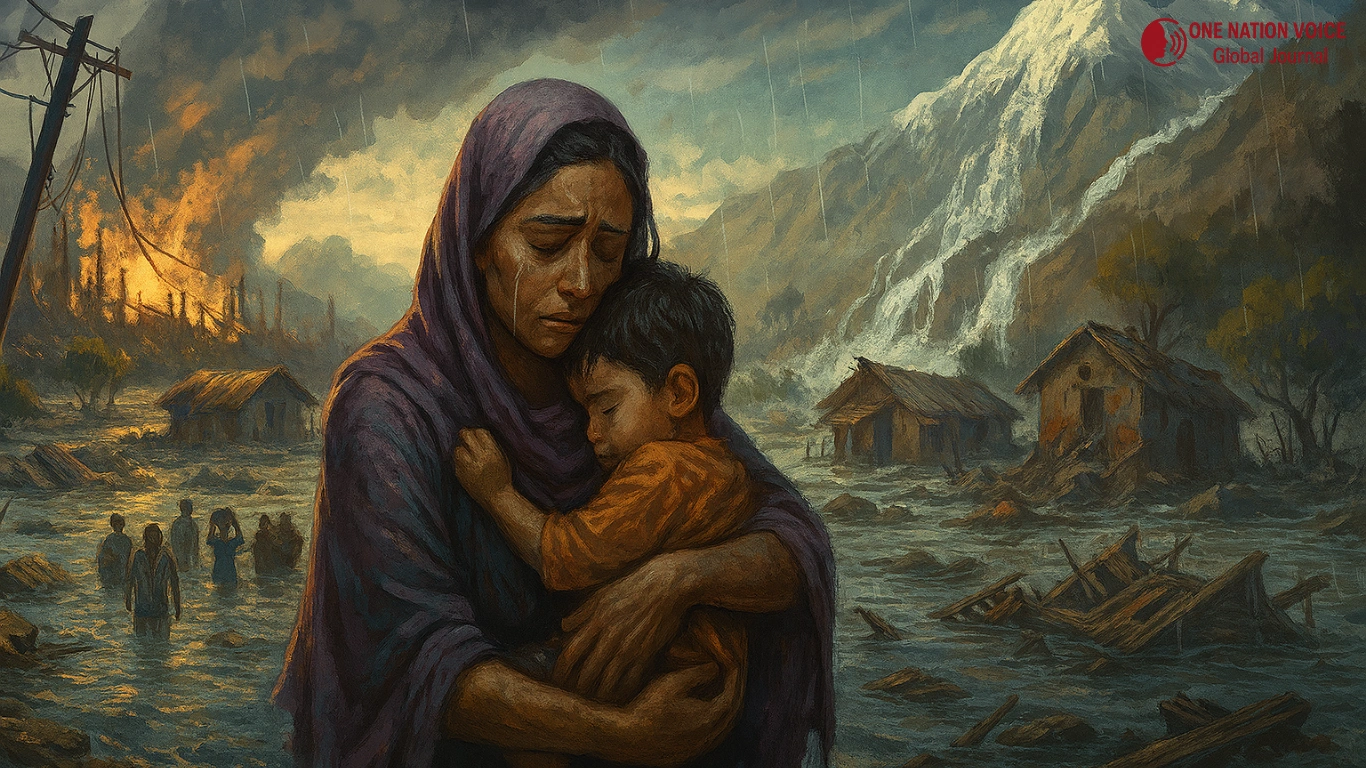
People still talk about the floods of 2022 in Pakistan in the ongoing year of 2025. One third of Pakistan’s area was under water, 33 million people were affected, 2 million homes were washed away in the disastrous calamity. Entire villages were deteriorated, crops on millions of acres got destroyed, and thousands of lives were lost.
Around $30 billion was the estimated damage to Pakistan in those floods. It was a wound that has not healed yet, because rebuilding takes time. In the meantime, next disaster strikes even harder before the last one is over.
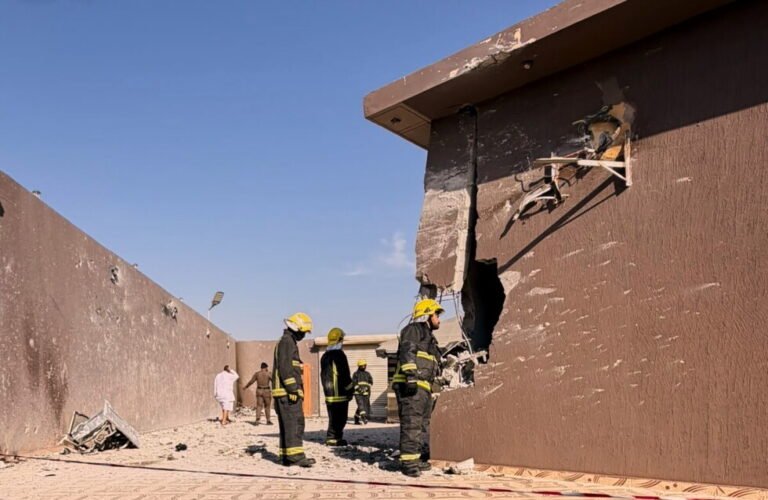
This year the summer has been brutal for Pakistan. Since late June, heavier than normal monsoons and sudden cloudbursts have killed more than 800 people in different regions of the country. Meanwhile, families already living on the edge of poverty are back in tents, farmers are watching their fields sink and the country is bracing for another cycle like that of 2022 catastrophe. Scientists keep warning that climate change is making monsoon rains more extreme with the passage of time. In case of Pakistan, this warning is not just a theory, it is a lived reality.
| Category | Impact |
|---|---|
| 🌊 Country Submerged | 1/3rd of the country underwater |
| 👥 People Affected | 33 million |
| 🏚️ Homes Destroyed | 2 million |
| 🌾 Crops Damaged | 4.4 million acres |
| 💰 Economic Losses | $30 billion |
| ⚰️ Deaths | 1,700+ |
| 2025 Climate Highlights | Details |
|---|---|
| 📋 Monsoon Floods | 800+ deaths since late June |
| 🔥 Heatwaves | Temperatures exceeding 50°C |
| 🧊 Glacier Melt | 7,000+ glaciers threaten short-term floods & long-term water scarcity |
It’s Not Just the Rains
Floods are only a part of the haunting story for Pakistan. The real monster behind the picture is rising level of heat. Pakistan has seen temperatures rise past 50°C in ongoing summer. That’s not just uncomfortable, it’s deadly. Pakistani people living in middle class areas are facing problems like heat stroke. In those regions, people dies to poor air conditioning environment and lack of proper facilities of hydration. Moreover, the agriculture sector is also facing issues like crop withering in such kind of heat. Besides, insufficient quantity of food is creating food insecurity that is just as cruel as the floods.
Moving forward, there is a problem of glaciers melting in the country. Pakistan has more than 7,000 of them in its territory. These are the main source of fresh water for its people. They are melting faster than ever due to severe climatic changes and causing dangerous floods in the short run. Meanwhile, in the long run, it will lead to the shrinking of rivers and the resultant water shortage for agriculture, hydropower, and drinking fresh water.
Where’s the “Shared Responsibility of UNGA”?
The UN likes to talk about collective action, about how a country cannot face global challenges alone. The stance of UN sounds good, but for countries like Pakistan, it often feels like words only. In this context, Climate justice has been under discussion for years.
The “Loss and Damage Fund” that was promised back in 2022 raised some hope for developing countries like Pakistan, but progress has been very slow in implementation.
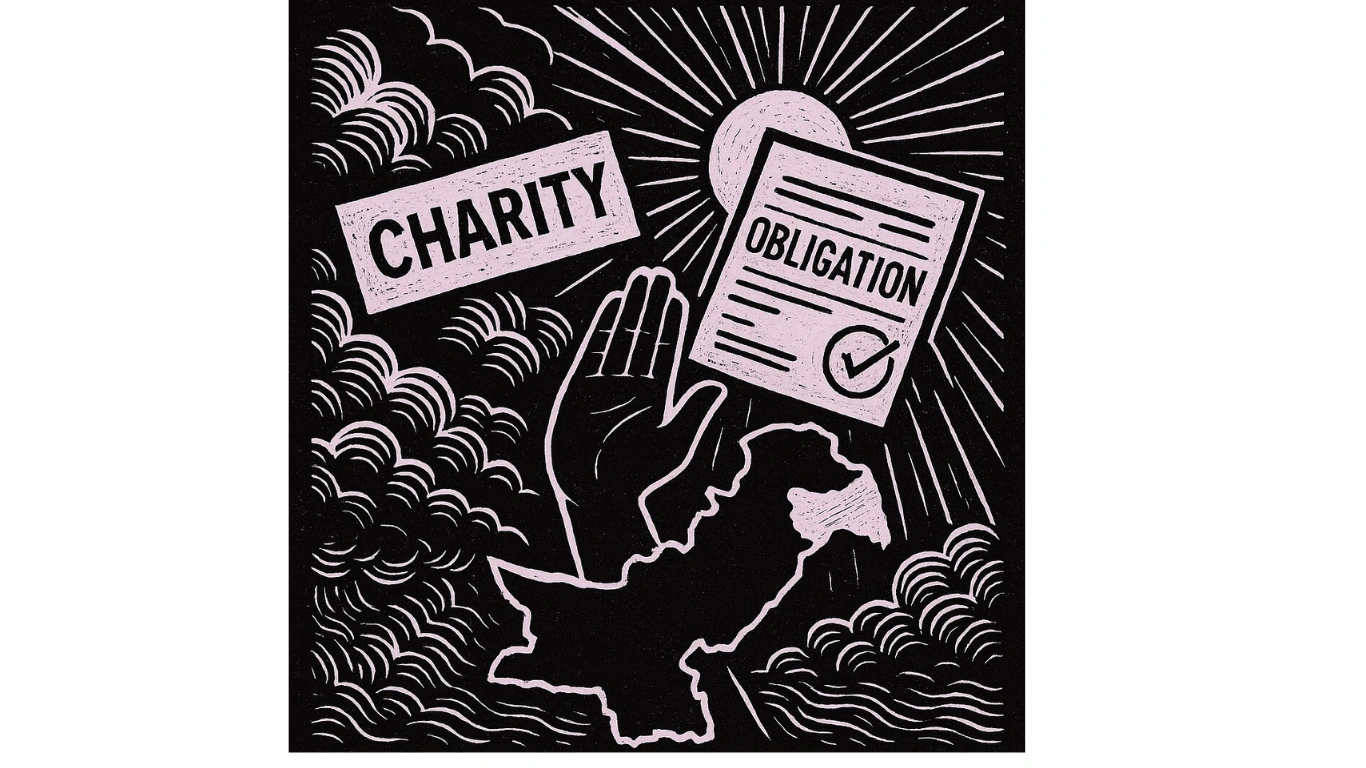
Pakistan does not need charity, but it needs recognition that those who caused the crisis owe support to those who did not. If we call it funding, call it compensation, or call it obligation, the name doesn’t matter as much as it is followed through.
In the absence of serious investment in climate adaptation and resilience, the disasters will keep piling up.
Pakistan’s Message to the World
The opening of UNGA is giving chance to Pakistan to stand up and say: if you are serious about peace, development, and human rights, you cannot leave climate change on the sidelines. You cannot talk about being “better together”, while some countries keep shouldering the damage caused by others’ emissions.
What Pakistan needs is obvious. It is reliable climate finance, real support when loss and damage hits, and access to technology that can help it to adapt to climate change. So, none of this is about handouts, it’s all about fairness.
A destabilized Pakistan means millions more people at risk of poverty and displacement. Climate change doesn’t respect borders. If Pakistan drowns, it is a warning sign for everyone else at regional and global level.
Pakistan’s story is simple. It is not a big polluter, but it’s suffering some of the worst impacts of climate change. Floods, heatwaves, and melting glaciers aren’t just events, they are a whole pattern.
So, as world leaders gather to mark 80 years of the UN, Pakistan will remind them that shared responsibility isn’t just a slogan to print on a banner. In fact, it’s a promise that has to mean something when lives are at risk.
Disclaimer: The views and opinions expressed in this article are exclusively those of the author and do not reflect the official stance, policies, or perspectives of the Platform.

