

REASSESSING THE GSP+ DEBATE
 Screenshot
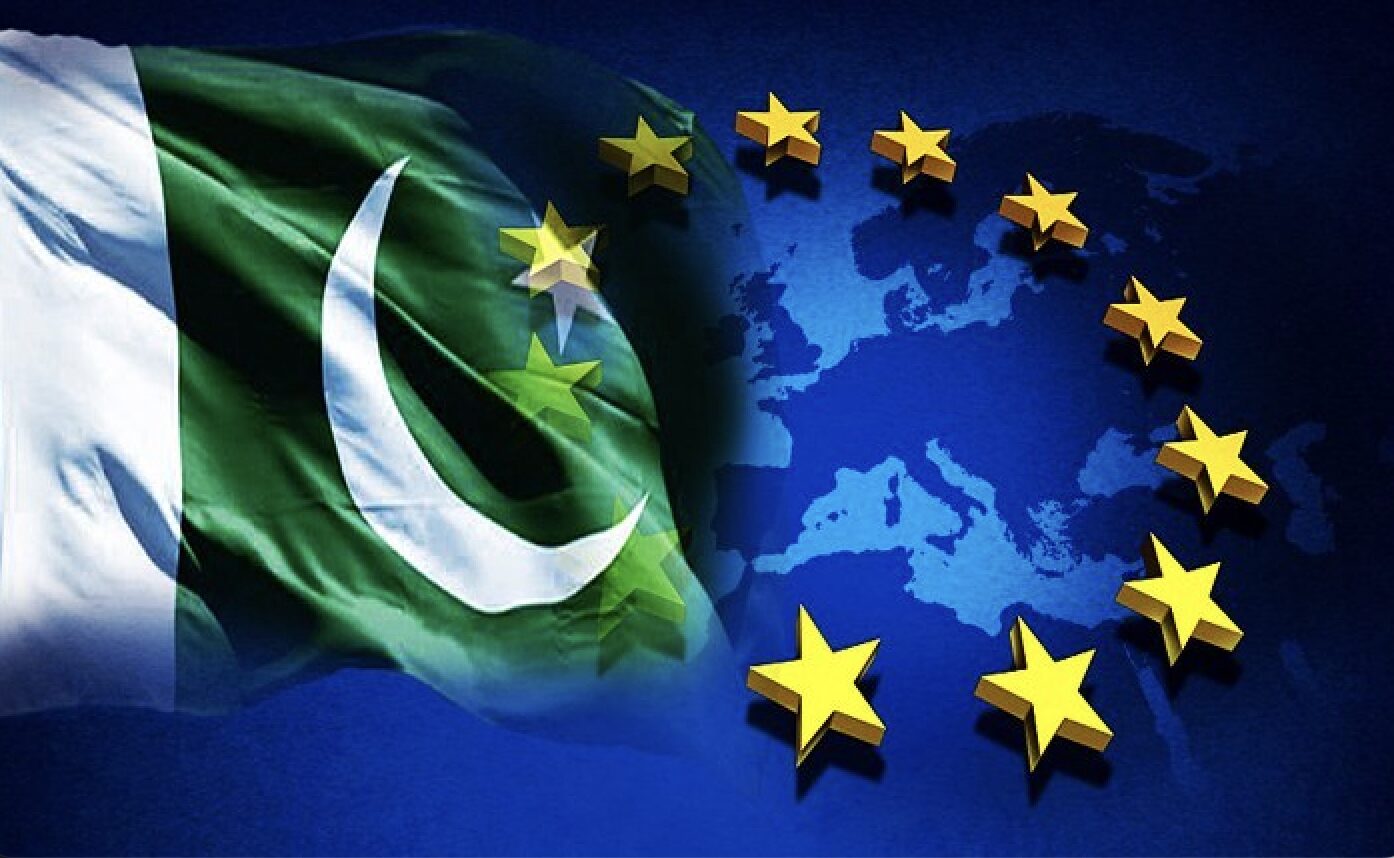
The upcoming review of Pakistan’s GSP+ status has once again placed the country under the microscope of European human rights scrutiny. The recent statement by EU Ambassador Raimundas Karoblis, suggesting Pakistan must “do more” to fulfil its commitments, reflects a recurring challenge in Pakistan’s relationship with European institutions: the persistent struggle against one-sided narratives that often overlook the structural progress Pakistan has made over the past decade. As Brussels prepares to reassess Pakistan’s compliance record, the review process must remain grounded in objectivity, context, and an appreciation of the multifaceted reforms that Islamabad has undertaken.
Pakistan’s journey under the GSP+ framework has not been a symbolic exercise. Since the status was granted in 2014, the country has implemented comprehensive legislative and institutional reforms aimed at strengthening human rights, improving social protections, and modernizing governance frameworks.
These reforms represent not merely a checklist for EU reporting, but a deeper national commitment to building resilient democratic institutions
Among these achievements are landmark laws that directly address concerns highlighted in previous GSP+ review cycles. The Protection of Journalists and Media Professionals Act is a pioneering framework designed to safeguard media workers through dedicated prosecutors, oversight commissions, and mandatory investigations into threats or violence against journalists. The Anti-Rape Act introduced specialized courts, forensic evidence protocols, and stronger legal protections for survivors, structural corrections that countries far wealthier than Pakistan still struggle to implement consistently. Domestic violence legislation across both federal and provincial tiers has created clear legal protections for women and vulnerable groups, and established mechanisms such as protection orders and victim shelters. The Transgender Persons (Protection of Rights) Act places Pakistan ahead of many Western states by legally recognizing self-perceived gender identity and prohibiting discrimination in employment, education, and public services. Child protection has also been institutionalized through the Zainab Alert, Response, and Recovery Act, ensuring a coordinated national system for missing children. Overarching these reforms is the National Commission on Human Rights, a statutorily independent body equipped to investigate abuses and monitor Pakistan’s compliance with international conventions.
Yet despite these substantial steps, Pakistan continues to face hyper-politicized narratives that present its human rights landscape as static, unchanging, or regressing. This assessment is disconnected from empirical developments on the ground and often influenced by pressure groups, activists with political agendas, and lobbying networks abroad. The problem is not criticism; criticism is necessary and welcome.
The issue lies in selective critique, amplified by transnational actors whose motivations are far from purely rights-based
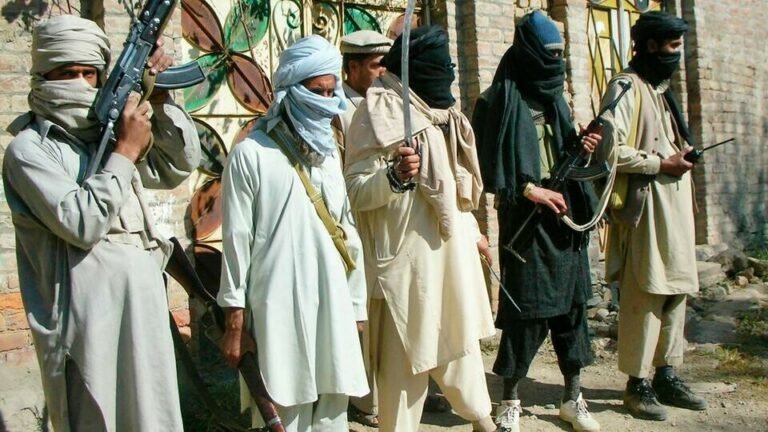
In recent years, extremist and separatist groups have increasingly adopted the rhetoric of human rights to constrain state action and expand their influence. Terrorist organizations such as the BLA and BLF, designated by the United States and repeatedly implicated in targeting civilians, use sympathetic dissidents abroad to launder their narratives into Western media ecosystems. These groups fund, support, or co-opt individuals and NGOs who present themselves as defenders of oppressed communities while remaining silent on terrorist violence that kills the very populations they claim to represent. The portrayal of figures such as Mahrang Baloch as “human rights icons” illustrates this skewed activism, wherein criticism of the Pakistani state is loud, but condemnation of extremist atrocities is curiously absent.
This phenomenon does not occur in a vacuum. Hostile intelligence agencies have historically provided covert support to dissidents living in Europe, encouraging them to propagate narratives designed to delegitimize Pakistan’s institutions. Media platforms such as MEMRI, which routinely feature voices like Mir Yar Baloch, operate as echo chambers for politically motivated critiques rather than impartial analysis.
The recent flood of articles on Balochistan, over 25 pieces in The Diplomat within a short span, further suggests coordinated lobbying efforts rather than organic editorial interest
The larger context reveals an uncomfortable truth: human rights discourse in the West often functions through double standards. Grave abuses in Western democracies receive minimal sustained attention, while developing nations, particularly those with geostrategic significance, are subjected to disproportionate scrutiny. Reports from Amnesty International, Human Rights Watch, and UN bodies between 2019 and 2023 paint a troubling picture of widespread racism, Islamophobia, police brutality, suppression of dissent, and discrimination in countries such as the United States, United Kingdom, France, and Germany. These issues rarely attract the kind of sustained diplomatic pressure that Pakistan faces.
India, meanwhile, enjoys impunity in the global rights arena despite running one of the world’s most documented systems of repression. Recent US Country Reports on Human Rights Practices highlight extrajudicial killings, political imprisonment, custodial deaths, suppression of the media, and persecution of minorities. In 2024 alone, India blocked dozens of journalists and over a hundred social media accounts, weaponized sedition and anti-terror laws against civil society, and recorded over a thousand custodial deaths.
Yet the West continues to prioritize trade and strategic ties with India over fundamental human rights, even in the face of explicit calls for violence against Muslims and Christians
Against this backdrop, Pakistan’s expectation is neither exemption from critique nor special treatment. Rather, it seeks fairness, context, and a recognition of the complexities surrounding human rights enforcement in a country simultaneously combating terrorism, economic challenges, and regional instability. The GSP+ review must reflect Pakistan’s progress, not the politicized narratives advanced by actors who weaponize rights discourse for geopolitical purposes.
A credible and principled human rights mechanism cannot operate selectively. As the EU prepares its assessment, it must ensure that the GSP+ framework remains impartial, evidence-based, and insulated from political manipulation. Pakistan has demonstrated its commitment to reform; now it is the EU’s responsibility to demonstrate its commitment to fairness.

