

A Consensus-Builder Shaping the Future of AJK Politics
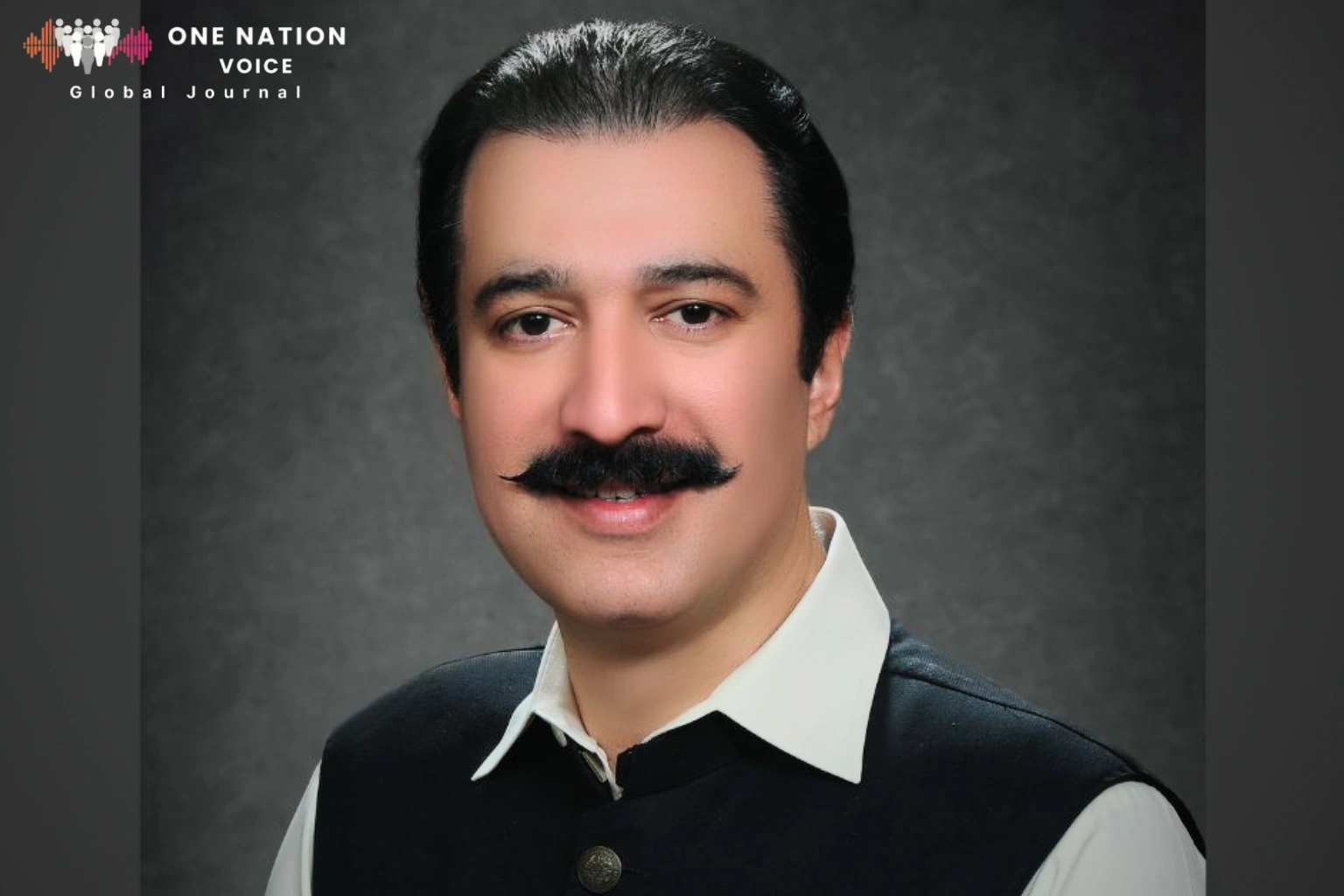
Faisal Mumtaz Rathore
Faisal Mumtaz Rathore, born on 11 April 1978 in Rawalpindi, stands today as one of the most seasoned and respected political figures in Azad Jammu & Kashmir (AJK). As a Member of the Legislative Assembly and the long-serving Secretary General of the Pakistan People’s Party (PPP) AJK.
He represents a rare blend of political legacy, legislative experience, and conciliatory leadership.
A very prominent family background helped Rathore to enter politics. He is the son of the late Mumtaz Hussain Rathore who was a giant in the politics of AJK, and he served as Prime Minister (1990), Leader of the Opposition (1991), Senior Minister, and Speaker of the AJK Legislative Assembly. Basically, he inherited the ideals of democratic devotion and grassroots involvement, which he got through his mother, Begum Farhat Rathore who is a Member of the Assembly, as well as a President of the PPP Women Wing.Therefore, the Rathores are commonly considered by far one of the founding families of the PPP in Azad Kashmir.
Faisal Rathore an institutional memory and ideological base unparalleled by most of his contemporaries.
Moreover, educated initially in Rawalpindi and later at the University of the Punjab, Lahore, Rathore entered active politics in 2006 when he first contested from LA-17 Haveli Kahuta. His successful election in 2011 marked the beginning of a prominent legislative career. During the PPP government of Chaudhry Abdul Majeed, he served as a cabinet minister, gaining essential experience in governance and public administration. Re-elected in 2021, Rathore strengthened his standing by playing an assertive role on the opposition benches demonstrating his ability to challenge, scrutinize, and negotiate without resorting to confrontation.
In 2023, his political maturity and negotiating skills earned him a place in the coalition government led by Prime Minister Chaudhry Anwar-ul-Haq. As Minister for Local Government & Rural Development, he has overseen key service delivery and local governance functions, further deepening his executive credentials. At the same time, his appointment as head of the government’s negotiation committee with the Awami Action Committee underscores his reputation as a bridge-builder capable of managing sensitive public disputes.
The role of Rathore within the PPP is equally influential. Since March 2017, he has served as Secretary General of PPP AJK, responsible for party organisation, internal coordination, and strategic planning. He is considered highly trusted by Chairman Bilawal Bhutto-Zardari and Ms Faryal Talpur, and is often viewed as a representative of the PPP’s ideological and middle-class base. His media engagements including hosting a programme on Bol TV have amplified his visibility and sharpened his communication skills, making him a familiar face to audiences across Pakistan.
Known across political, military, and civil society circles for his soft-spoken style and non-controversial public conduct, Rathore enjoys goodwill rarely seen in today’s polarized political environment. His reputation for calmness, consensus-building, and institutional respect has positioned him as a figure capable of steady leadership at a time when AJK requires political stability and unity.
To most observers, all these attributes enable Faisal Mumtaz Rathore to be a strong nominee to the next Prime Minister of AJK. His strong political background, legislative experience, service as a cabinet member, and leadership role within the PPP, combined with his negotiation skills, distinguish him from others. His intellectual objectivity in governance, having served both in government and opposition, reflects the maturity needed to manage a region facing complex political, developmental, and geopolitical challenges.
In a political era often marked by confrontation, Rathore’s conciliatory posture, administrative experience, and commitment to democratic values stand out. His profile embodies continuity, moderation, and political wisdom qualities vital for steering Azad Jammu & Kashmir toward a more stable and inclusive future.
The views and opinions expressed in this article are exclusively those of the author and do not reflect the official stance, policies, or perspectives of the Platform.

