


Trump Rejects Malafide Question Linking China and Pakistan to Arming Iran
Between Assurance and Suspicion: What the China Iran MANPADS Story Really Tells Us
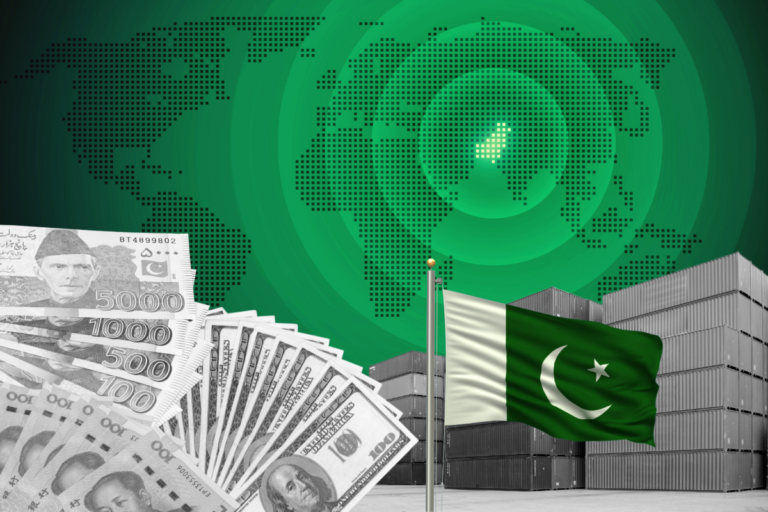
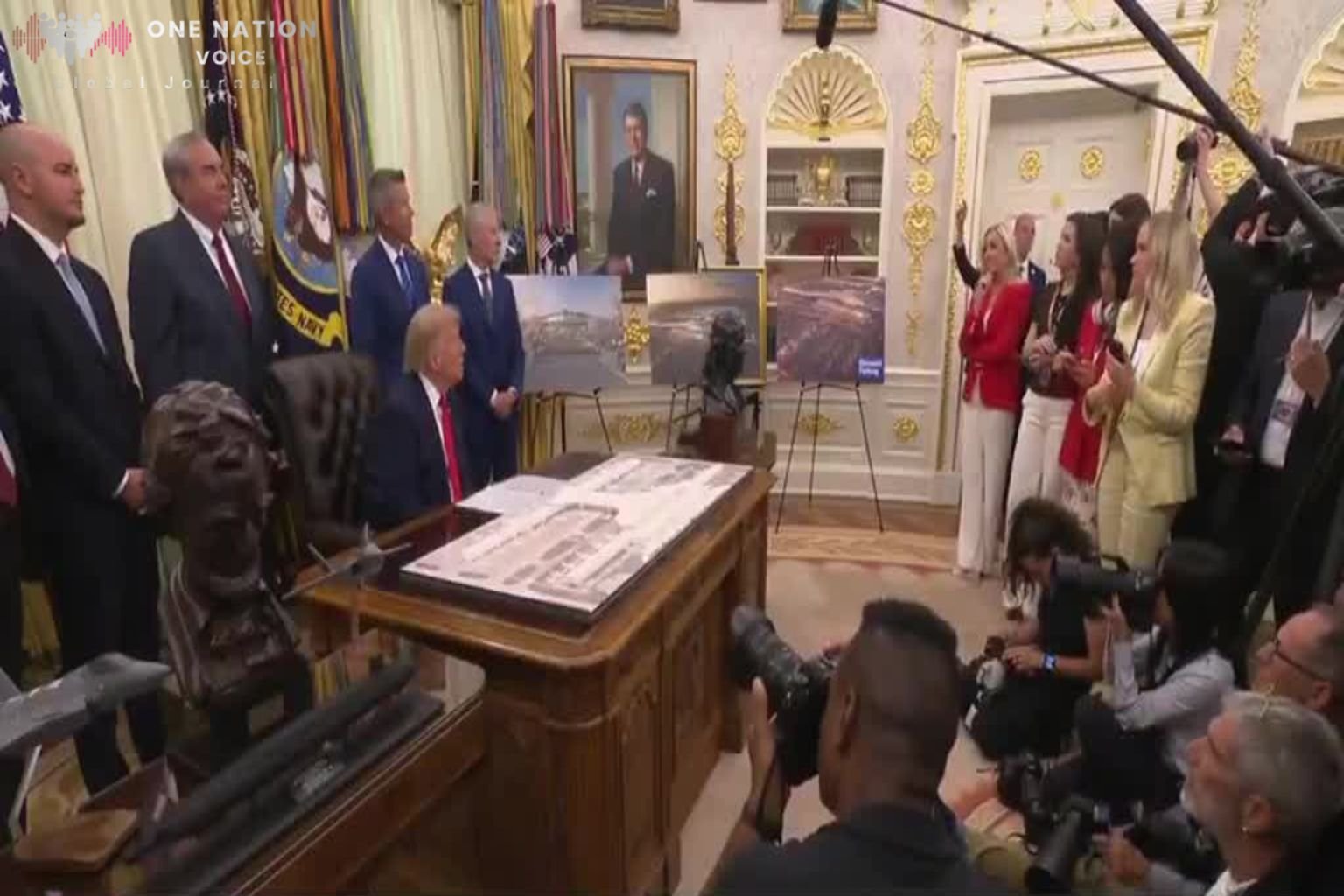
When Reuters reported on July 29 that Iran is weeks away from receiving up to 400 Chinese made QW 12 and FN 16 man portable air defense systems, in a deal reportedly worth 60 to 70 million dollars, it landed at an especially awkward moment for Washington and Beijing. Only days earlier, President Trump had posted on Truth Social that Xi Jinping personally assured him under any circumstances China would not arm Iran a pledge Trump said explicitly covered Chinese companies too. The timing alone guaranteed the story would be read as a test of whether that assurance meant anything.
It is worth being precise about what has actually been reported, because precision is exactly what tends to get lost once a story like this enters the political bloodstream.
What the reporting actually says
According to Reuters, citing three sources familiar with the matter, the deal was signed through Zhongqing Baoshang International Investment, a Hong Kong registered company described as an intermediary between Iranian buyers and the Chinese supplier. The reported plan has the first shipment moving by air out of Urumqi in western China, transiting through Pakistan en route to Iran. Sources cautioned that quantities, timing, and delivery routes could still shift even though the contract itself is said to be signed.
Both governments named in the story have pushed back hard. Beijing has called the report completely groundless. Pakistan’s military public affairs wing, ISPR, described any suggestion that Pakistan is involved in facilitating the transfer as absolutely concocted and false. Trump, for his part, has continued to say he takes Xi at his word, framing the relationship between the two leaders as one where he is doing him very big favors and expects reciprocal good faith in return.
That is the actual shape of the story: a Reuters investigation built on anonymous sourcing, two firm denials from the governments implicated, and a US president publicly choosing to stand by a personal assurance rather than treat the report as confirmed fact.
Why skepticism toward the framing is reasonable
There is a legitimate case for treating the loudest version of this story China secretly arms Iran Pakistan complicit with some caution. Anonymous sourced reporting on arms transfers is notoriously hard to verify in real time, and outlets covering it themselves acknowledge that delivery details could still change. A signed contract is not the same as a delivered shipment, and a transit route on paper is not the same as a government facilitating that transit. Reuters’ own reporting draws a distinction between the origin of the weapons China, the intermediary structuring the deal a Hong Kong company, and the transit corridor Pakistani airspace three separate layers that get flattened into one narrative once headlines compress them.
Pakistan’s position here is genuinely different from China’s. Beijing is the alleged supplier Pakistan is at most alleged transit geography. Islamabad has consistently positioned itself in this conflict as a mediator rather than a participant pushing for de escalation between Iran Israel and the United States rather than taking a side, and it has denied any operational role in this specific shipment through its official military spokesperson. Treating weapons allegedly flew over or through Pakistani airspace as equivalent to Pakistan armed Iran would be sloppy, and it is fair to push back on commentary that collapses that distinction for effect.
Why the story still matters regardless
None of that means the story should be waved away. Even setting aside the transit question entirely, the core tension is between Beijing and Washington
Xi reportedly gave Trump a direct personal assurance and credible wire reporting now says a deal contradicting that assurance has been signed.
That is a real diplomatic problem independent of Pakistan’s role, and it says something about how much weight great power leaders’ private assurances can bear when commercial and strategic incentives point the other way. China has deep long standing economic ties to Iran and has taken Iran’s side rhetorically throughout the recent conflict with the US and Israel, even while trying to keep its own hands visibly clean of direct military involvement. A Hong Kong shell company structuring a weapons deal is precisely the kind of arm’s length arrangement that lets Beijing maintain deniability while a transaction proceeds.
The more useful question
The more interesting question is not who do you believe but what would actually settle this. A signed contract reported by anonymous sources is not proof of intent fulfilled a government denial is not proof of innocence either. What would move this from dispute to fact is the same thing that always does: confirmed shipment tracking corroborating sourcing from a wider range of officials or an on the record accounting from Beijing Tehran or Islamabad that goes beyond a one line denial.
Until then, the honest position is a modest one. Trump’s public confidence in Xi’s word China’s denial and Pakistan’s denial are all real data points but so is a Reuters investigation with named reporters and multiple sourced details about a signed contract.
Readers are better served by holding those in tension than by picking whichever one flatters a preferred conclusion.
Disclaimer:
The views and opinions expressed in this article are exclusively those of the author and do not reflect the official stance, policies, or perspectives of the Platform.

Author

Ikram Ahmed is a graduate in International Relations from the University of South Wales. He has a strong academic background and a keen interest in global affairs, Ikram has contributed to various academic forums and policy discussions. His work reflects a deep commitment to understanding the dynamics of international relations and their impact on contemporary geopolitical issues.
