




Victory of the Ballot
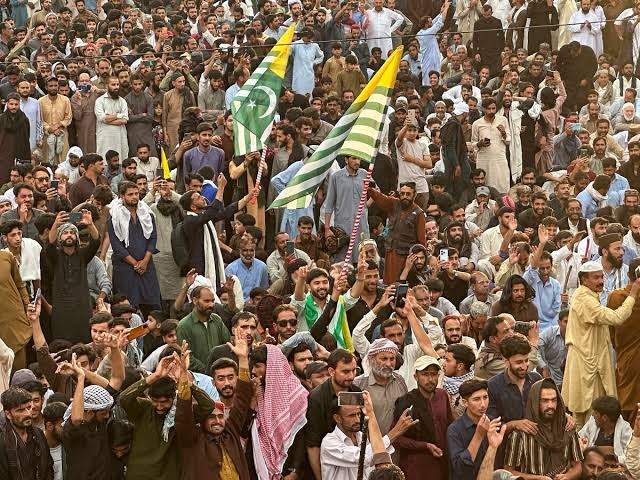
The first phase of the 2026 Azad Jammu and Kashmir elections has delivered a political message that should not be obscured by the violence surrounding the process: democratic legitimacy comes from the ballot box, not from intimidation, forced shutdowns or armed confrontation. Voting took place in 13 constituencies of Mirpur Division, and unofficial results showed the Pakistan Muslim League-Nawaz winning nine seats. The remaining phases are scheduled for August 2 and August 10, meaning the wider electoral verdict is still developing. Nevertheless, the first-round outcome demonstrates that organised political participation remains the principal route through which citizens expect power to be obtained and exercised. It also confirms that constitutional continuity remains essential during periods of intense political disagreement.
The significance of the result lies not merely in the number of seats won by one party. It lies in the willingness of voters to participate despite fear, political tension, transport disruption and calls for resistance to the electoral process. Every vote cast under such conditions was an affirmation that public disagreements must be settled through constitutional institutions. Elections are never perfect, and serious complaints about representation, governance or electoral arrangements deserve lawful scrutiny.
Yet no grievance gives any group the right to replace political competition with coercion or to prevent citizens from exercising their franchise
The PML-N’s victory in nine of the 13 constituencies is therefore a substantial political achievement, but it also carries a wider institutional meaning. It indicates that electoral organisation, party structures and engagement with voters can overcome boycott politics. Supporters of the banned Joint Awami Action Committee may disagree with the government and may possess legitimate economic or political concerns, but a protest movement cannot claim exclusive ownership of the public will. The public will is measured through transparent elections, independent oversight and peaceful political mobilisation, not through road blockades, threats or disruption designed to make voting impossible.
At the same time, democratic credibility requires intellectual honesty. The first phase cannot accurately be described as entirely peaceful. Independent reporting documented deadly clashes, disputed casualty figures, communication restrictions and allegations of excessive force by security personnel. Authorities, meanwhile, accused armed protesters and militant infiltrators of firing on law-enforcement personnel and attempting to sabotage the elections. Official accounts confirmed casualties among security personnel, while protest organisers alleged considerably higher civilian losses.
These competing accounts demand an impartial investigation rather than propaganda, collective blame or premature conclusions
The reported presence of armed individuals among protesters is particularly alarming. Peaceful dissent is a constitutional and political activity; firing at police, using sophisticated weapons or exploiting civilian demonstrations as cover for militancy is not. Authorities have presented allegations and video material concerning masked gunmen and possible militant infiltration. Such claims must be independently verified, and those responsible for violence, whether protesters, infiltrators or members of the security forces, must face due process. Accountability cannot be selective. A state strengthens its authority not by avoiding scrutiny but by showing that the law applies equally to every actor.
The timing of the long march also raises legitimate political questions. Launching a major confrontation during a sensitive election period inevitably increased the risk of disruption and bloodshed. Even when protesters believe their demands are justified, political leadership carries a duty to prevent supporters from being drawn into violence. The decision to escalate mobilisation while polling was underway created conditions in which democratic participation, public safety and freedom of movement were endangered. Responsible movements negotiate, contest elections, approach courts and build public coalitions; they do not allow political pressure to become a substitute for representative choice.
For the government and the victorious party, however, the election result should not be treated as permission to dismiss every grievance. A ballot victory provides authority, but it also creates responsibility. The administration must investigate deaths and injuries, restore communications, protect peaceful assembly, ensure media access, and address public concerns about governance and disputed representation. Democracy is strongest when it defeats violence without criminalising peaceful dissent.
The goal must be to isolate armed actors while bringing nonviolent citizens back into constitutional dialogue
Azad Kashmir’s first-phase verdict therefore offers both a warning and an opportunity. It warns disruptive actors that intimidation cannot permanently replace democratic politics. It also warns the state that electoral success must be followed by justice, transparency and responsive governance. The ballot has shown its strength, but its victory will become durable only when citizens believe that institutions listen after polling ends. The path forward lies in elections, law, accountability and political dialogue. Terror, armed confrontation and organised disorder offer only suffering; democracy offers a peaceful mechanism for disagreement, correction and change. That is the clearest lesson of this contested but consequential electoral moment.

