

Pakistan and the EU GSP+
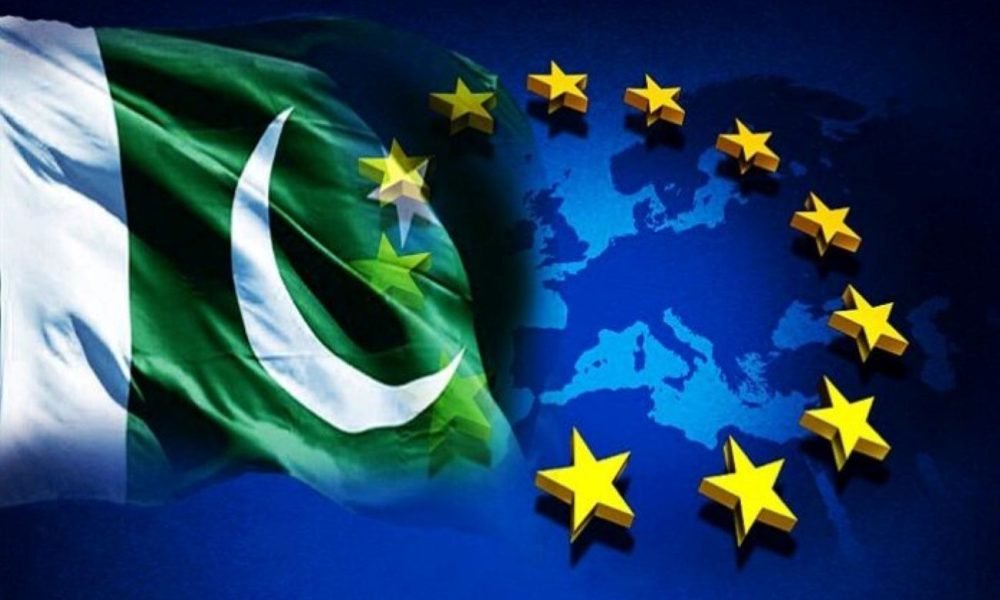
The European Union’s Generalised Scheme of Preferences Plus, commonly known as GSP+, has become one of the most important pillars of Pakistan’s economic engagement with Europe. Since Pakistan received GSP+ status in January 2014, the arrangement has provided duty-free or reduced-duty access to the European market for a broad range of Pakistani products. Its significance, however, extends far beyond tariff concessions. GSP+ has supported export-led growth, protected millions of jobs, strengthened Pakistan’s external-account position and encouraged the country to align its legal and institutional framework with international standards. As the European Union intensifies scrutiny of beneficiary countries, Pakistan must respond through credible reforms, stronger implementation and sustained diplomatic engagement.
The economic impact of GSP+ has been transformative. Since obtaining the status, Pakistan’s exports to the European Union have increased substantially. In 2024, EU imports from Pakistan reached approximately €8.3 billion, with around €7.1 billion benefiting from GSP+ preferences. This indicates an exceptionally high utilisation rate and demonstrates how deeply the scheme has become embedded in Pakistan’s export structure. The European Union is now Pakistan’s largest export destination, accounting for roughly one-quarter of the country’s total exports.
Pakistani businesses are also estimated to have saved hundreds of millions of euros in tariffs, improving their competitiveness in a demanding international market
Textiles and apparel remain the principal beneficiaries, representing the majority of Pakistan’s exports to Europe. The industry provides direct and indirect employment to millions of workers, including a significant number of women. In a country facing persistent unemployment, inflation and external financing pressures, the continuation of GSP+ is therefore not merely a commercial matter. It is directly connected to household incomes, industrial activity, foreign-exchange earnings and social stability. Any disruption to preferential access would affect manufacturers, exporters, workers, transporters and many small businesses linked to the textile supply chain.
Yet Pakistan should avoid viewing GSP+ as a permanent entitlement. The scheme is based on a reciprocal understanding: the European Union provides preferential market access, while beneficiary countries commit to implementing international conventions relating to human rights, labour rights, environmental protection and good governance. Pakistan has ratified the required conventions and introduced several legislative and institutional reforms. However, European concerns often focus on the gap between legislation and implementation.
Laws may exist on paper, but their enforcement can remain inconsistent because of administrative weaknesses, limited institutional capacity, provincial disparities and inadequate monitoring
Pakistan’s most effective response should not be defensive diplomacy alone. It should combine strategic communication with measurable progress. European concerns must be addressed through verifiable evidence, transparent reporting and continuous institutional engagement. Pakistan should document improvements in labour inspections, workplace safety, women’s participation, environmental compliance, access to justice and protection of vulnerable communities. Government ministries, provincial departments, exporters and industry associations should develop a coordinated mechanism for collecting and presenting reliable data. Without credible documentation, genuine progress may remain invisible to European institutions.
Labour rights require particular attention because Pakistan’s export competitiveness increasingly depends on responsible production. Global buyers are no longer guided only by price and quality; they are also concerned about working conditions, supply-chain transparency, occupational safety, wages and environmental sustainability. Pakistan’s textile industry must treat compliance as an investment rather than an externally imposed burden. Factories that improve energy efficiency, reduce water consumption, provide safer workplaces and ensure fair treatment of workers will be better positioned to retain European customers. Such reforms can also help Pakistan shift from low-value exports towards branded, sustainable and higher-value-added production.
Environmental standards will become equally important under the European Union’s evolving trade and climate policies. Pakistan is highly vulnerable to climate change, yet many of its industries remain dependent on inefficient energy systems and resource-intensive production. The government should help exporters adopt cleaner technologies through concessional financing, technical assistance and tax incentives. Small and medium-sized enterprises may struggle to meet new European standards without institutional support.
A national compliance programme involving government agencies, chambers of commerce, universities and international development partners could assist firms in conducting environmental audits and upgrading production practices
The debate surrounding GSP+ must also recognise that reform serves Pakistan’s own national interest. Stronger labour protections, environmental safeguards, accountable governance and effective institutions are not concessions to Europe. They are essential for Pakistan’s long-term development, political stability and international credibility. GSP+ should therefore be used as a catalyst for domestic modernisation rather than treated solely as an instrument for preserving market access. The ultimate objective must be to build an economy capable of competing internationally even without preferential treatment.
At the same time, the European Union should approach Pakistan through constructive engagement rather than selective political pressure. Pakistan is a major developing economy confronting terrorism, climate disasters, regional instability and serious fiscal constraints. Reforms of the scale expected under GSP+ require time, resources and institutional capacity. The EU should expand technical cooperation, support green industrialisation and assist Pakistan in strengthening labour and governance institutions. A partnership based on dialogue and capacity-building will produce better outcomes than an approach dominated by threats of withdrawal.
Pakistan’s continued access to GSP+ remains vital, but its future will depend on how effectively the country converts commitments into implementation. The government, industry and civil society must work together to demonstrate progress while addressing legitimate shortcomings. By strengthening compliance, diversifying exports and investing in sustainable production, Pakistan can protect its European market share and deepen its economic partnership with the EU. GSP+ has already contributed significantly to Pakistan’s growth; the next challenge is to transform it into a platform for durable reform, competitive industry and long-term economic resilience.

