




From Water Wars to Water Governance
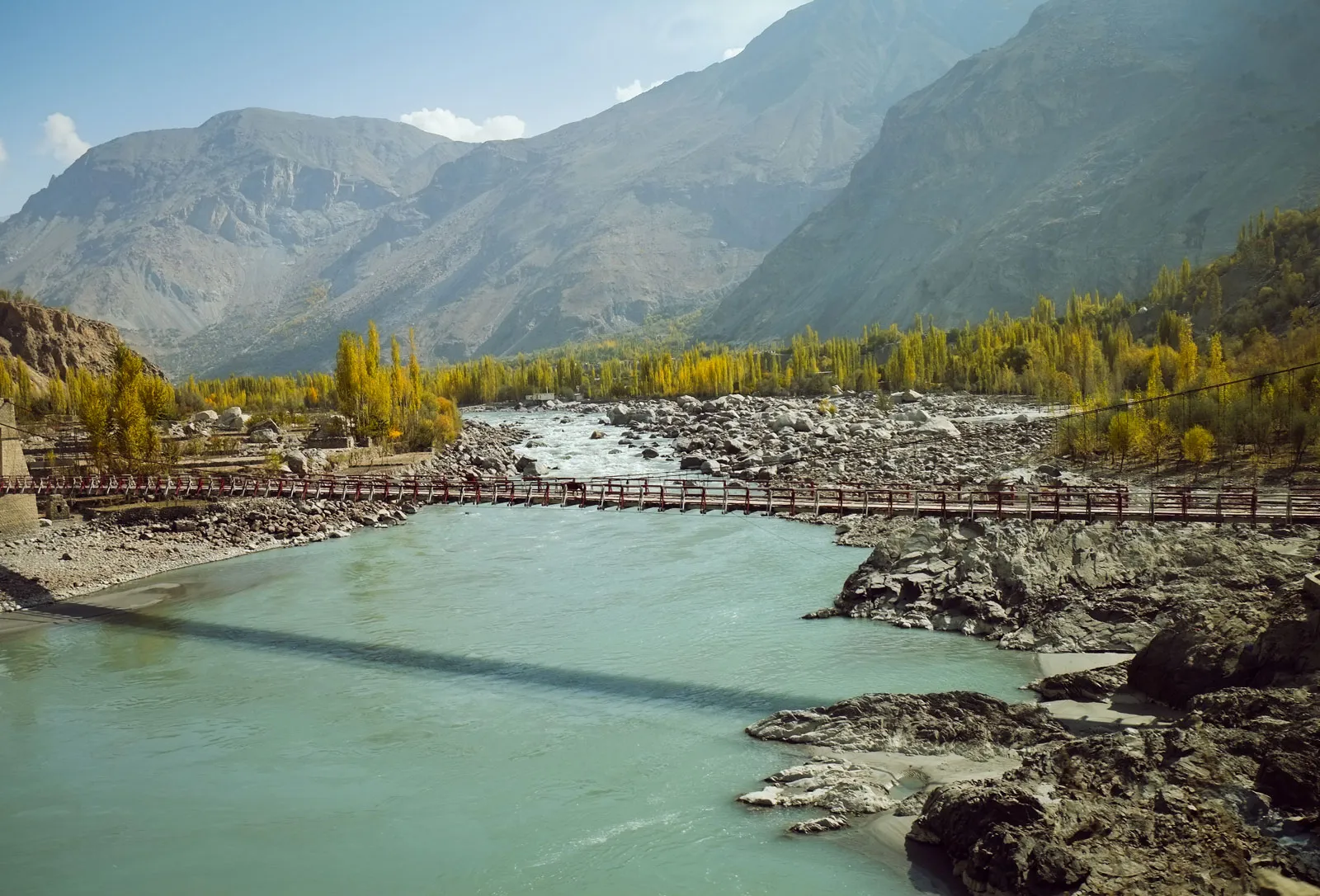
South Asia stands at a decisive moment. It can either allow water to become another instrument of rivalry, coercion, and strategic pressure, or strengthen institutions that convert a shared natural resource into a basis for cooperation. The future of the Indus Basin will not be shaped by geography alone. It will be determined by political choices, respect for international law, and the willingness of regional states to recognize that rivers cannot be governed through unilateralism.
The Indus Waters Treaty, signed in 1960 under the auspices of the World Bank, has long been one of the most durable examples of transboundary water governance. It survived wars, diplomatic breakdowns, military crises, and prolonged hostility between India and Pakistan. Its resilience was not accidental. The Treaty created rules, technical procedures, information-sharing mechanisms, and dispute-resolution channels that allowed water cooperation to continue even when political relations deteriorated.
For Pakistan, the Treaty is not merely a diplomatic document. It is directly connected to national survival. The Indus River system supports agriculture, food production, energy generation, industry, and the livelihoods of millions. A large part of Pakistan’s economy and social stability depends on predictable water flows.
Any uncertainty surrounding river management, hydrological data, project notifications, or dispute-resolution mechanisms therefore carries consequences far beyond the technical domain
India’s unilateral decision to place the Treaty in abeyance threatens this carefully constructed framework. International agreements cannot retain credibility if one party claims the authority to suspend legally binding obligations without mutual consent or an established legal process. Such a step weakens the principle that treaties must be performed in good faith and raises serious questions about the wider rules-based international order.
The danger extends beyond the India-Pakistan relationship. If long-standing treaties can be set aside whenever political tensions intensify, downstream states everywhere will become more vulnerable. International cooperation depends on predictability. Once unilateral suspension is normalized, confidence in treaty-based diplomacy declines, and states may rely more heavily on deterrence, political pressure, and strategic countermeasures.
Water is particularly sensitive because it cannot be treated as an ordinary political bargaining chip. It is linked to food, health, energy, ecosystems, employment, and human dignity. The perception that an upstream state may use water infrastructure, river flows, or hydrological information as political leverage can rapidly transform a technical disagreement into a national security crisis. In a nuclearized region, such perceptions are especially dangerous.
The Treaty has historically reduced this risk by separating water management from broader political disputes. It created an environment in which commissioners, engineers, legal experts, and technical institutions could address concerns through established channels.
Even when disagreements emerged over projects, design specifications, or treaty interpretation, the existence of a recognized process helped prevent immediate escalation
Weakening these mechanisms creates a dangerous vacuum. Without regular communication, transparency, and technical consultation, even routine developments may be interpreted as hostile actions. Sudden changes in water flows, delays in data sharing, or upstream construction could trigger suspicion and public alarm. Political rhetoric may then replace technical analysis, making compromise more difficult and escalation more likely.
Climate pressures make cooperation even more important. South Asia faces increasing water stress, changing rainfall patterns, glacial uncertainty, population growth, urban expansion, and rising agricultural demand. These challenges cannot be managed through confrontation. No state can secure its long-term water future by destabilizing its neighbour. Rivers cross borders, and their sustainable management requires shared data, coordinated planning, environmental monitoring, and effective disaster preparedness.
Pakistan must continue to defend its legitimate treaty rights through legal, diplomatic, and institutional means. It should engage international partners, invoke available dispute-resolution mechanisms, strengthen technical capacity, and clearly communicate the humanitarian and strategic consequences of treaty erosion. At the same time, Pakistan must improve domestic water governance by reducing losses, modernizing irrigation, improving storage, protecting watersheds, and promoting more efficient agricultural water use.
Defending the Treaty and reforming internal water management are mutually reinforcing objectives. Pakistan’s legal rights must be protected, but long-term resilience will also depend on conservation, transparent allocation, modern infrastructure, and stronger federal-provincial coordination.
Water security begins with international predictability but must be supported by responsible domestic governance
India also faces a strategic choice. It can pursue short-term political signalling by weakening an agreement that has served both states for decades, or recognize that treaty stability contributes to its own security. A breakdown in water cooperation would not create a controlled strategic advantage. It would generate mistrust, intensify regional competition, and increase the possibility of future crises.
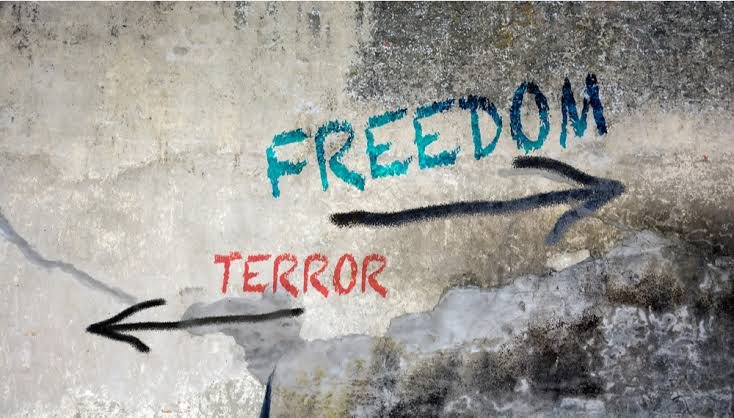
The choice before South Asia is therefore between water wars and water governance, coercion and cooperation, and unilateralism and international law. Preserving the Indus Waters Treaty, restoring its full implementation, and strengthening its institutional mechanisms remain essential for peace, human security, and regional stability.
The rivers of South Asia should not become weapons of political pressure. They should remain shared lifelines governed by law, science, transparency, and mutual responsibility. The region’s future will depend on whether its leaders protect institutions that prevent conflict before distrust turns water into the next battlefield.

