
Behind the Mask: The Mahrang Baloch Verdict and What the Evidence Really Shows
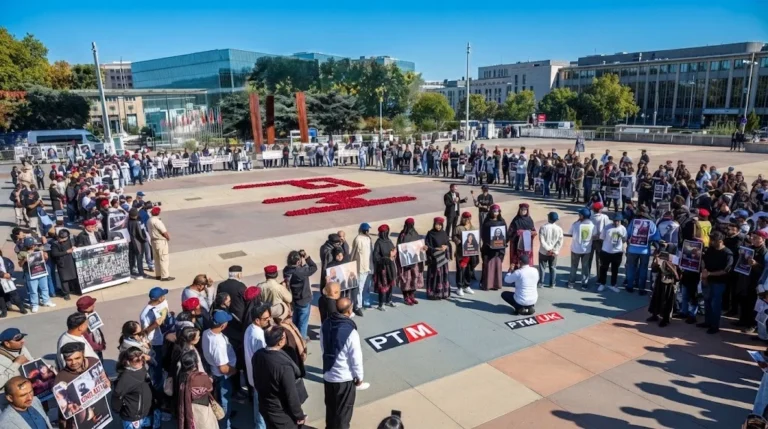
On June 22, 2026, an Anti Terrorism Court in Quetta sentenced Mahrang Baloch, founder of the Baloch Yakjehti Committee (BYC), to life imprisonment alongside fellow BYC leader Sibghatullah Shah. The conviction, on charges of terrorism, sedition, and murder linked to the killing of FC Sepoy Shabbir Ahmed during a 2024 Gwadar protest, has ignited fierce debate. International voices immediately rushed to portray her as a persecuted saint. A more honest and evidence based examination tells a very different story one of deliberate manipulation, carefully orchestrated propaganda, and deep ideological alignment with terrorist agendas.
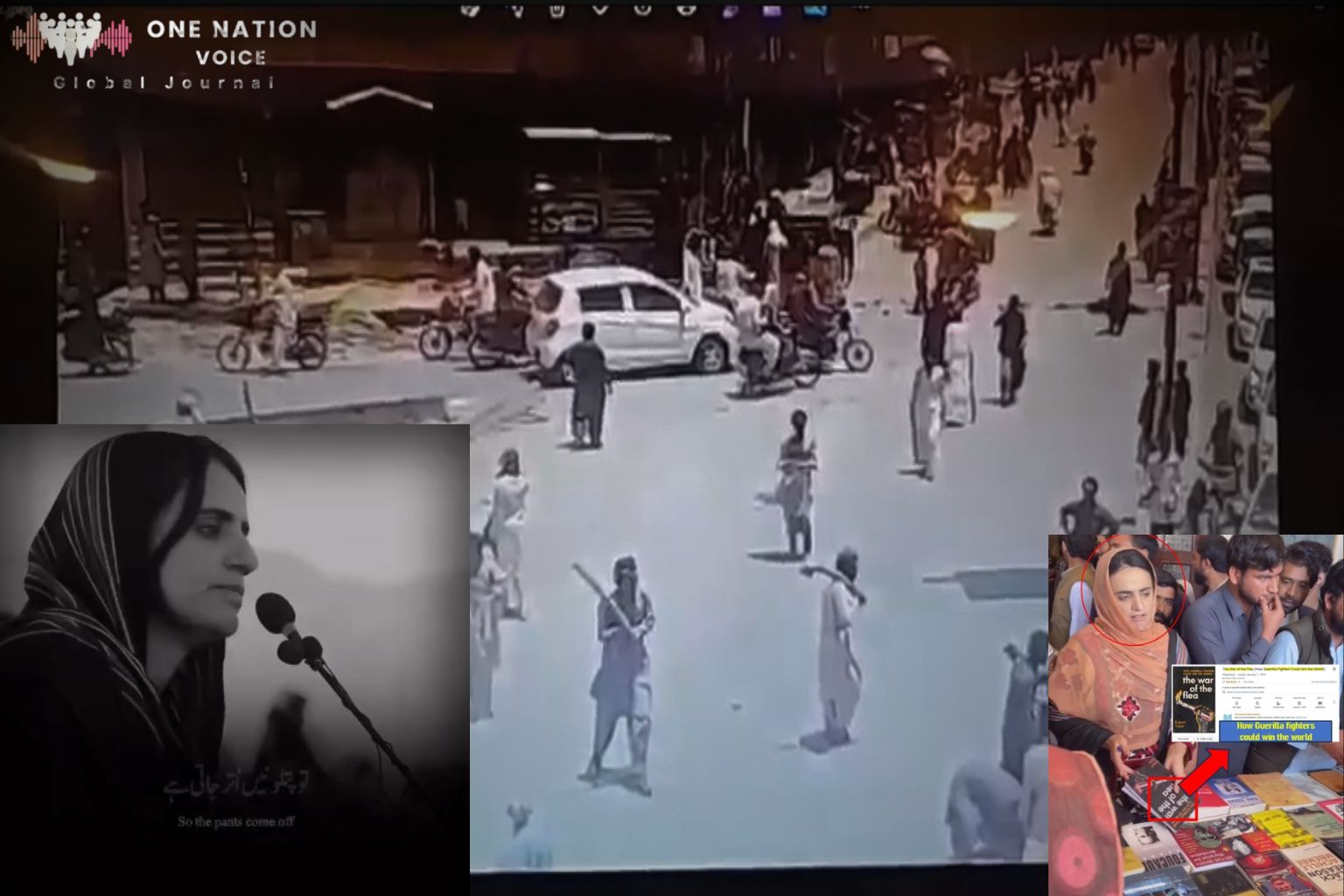
According to the judgment, Mahrang Baloch addressed a gathering in Gwadar and delivered an inciting speech, urging participants to attack an FC vehicle near the demonstration. The court found both accused guilty of murder under sections of the Pakistan Penal Code, holding that they shared a common objective of inciting unlawful assembly that resulted in the death of FC official Shabbir Ahmed. The family of the martyred soldier his mother Husan Bano and his brother Nazeer Ahmed welcomed the verdict as long overdue justice for an unarmed man who was beaten so brutally his face became unrecognizable.
Rhetoric that Reveals Intent
Mahrang Baloch’s own words remove any ambiguity about her worldview. She has openly declared the Pakistani state her enemy, saying she will defeat the enemy and urging her followers to gather to show the enemy our strength. She has referred to uniformed security personnel as occupiers and directed crowds against them. She has openly stated that the khaki uniform should be considered an enemy. These are not the words of a peaceful rights campaigner they are the language of insurrection.
Her statement urging the international community to withdraw investments from Saindak and Reko Diq projects goes further. Framing legitimate foreign investment as a colonial exercise carried out without Baloch consent, she has effectively positioned herself as a veto power over Pakistan’s sovereign economic decisions. This is coordinated destabilization presented as advocacy.
The Terrorist Endorsement That Says Everything
Within hours of the Anti Terrorism Court’s verdict, terrorist commanders from banned militant organizations including the BLA, BLF, and BRA issued statements condemning the judgment and expressing solidarity with Mahrang Baloch. Among the first to react was Mehran Marri of the banned Baloch Republican Army, who voiced support for her. He was followed by Allah Nazar, commander of the banned Baloch Liberation Front, who described the verdict as a matter of sorrow. In his statement, Allah Nazar acknowledged that members of the banned BSO Azad had also been convicted alongside Mahrang Baloch and were present with BYC activists during the incident.
When proscribed terrorist organizations race to defend your conviction, it is not a sign that you are an innocent victim it is a sign of whose cause you serve.
A Pattern of Protecting Terrorists
Several incidents demonstrate BYC’s alignment with terrorist agendas. After the Jaffar Express hijacking, Mahrang personally sought the body of a BLA terrorist, attempting to portray him as a victim. In another case, she portrayed a suicide bomber glorified by BLA for the Mach attack as a missing person. Her cousin and close bodyguard, Sohaib Langove, was killed in July 2025 as an active BLA operative.
A disturbing pattern has emerged: time and again, individuals championed by BYC and Mahrang Baloch have later appeared in the ranks of banned terrorist groups. BYC has never condemned the BLA’s massacres of innocent laborers, the killing of pilgrims, or the slaughter of coal miners. Following the killing of 23 civilians in Musakhel, criticism was directed at groups such as the BYC for not condemning the attack attributed to the banned BLA. Critics argued this selective approach raises serious concerns about the overlooking of human rights violations committed by militant groups.
This silence is not accidental. It is a strategic choice that exposes where BYC’s true loyalties lie.
Asymmetric Warfare With a Human Rights Mask
A closer examination reveals a symbiotic relationship between BYC and proscribed ethno nationalist terrorist outfits. By framing every state counter terrorism action as an assault on ethnic Baloch citizens, Mahrang provides a critical layer of defense for active combatants systematically recharacterizing fighters as peaceful activists, complicating law enforcement’s operational freedom and buying space for terrorist networks to regroup and rearm.
This is a classic doctrine of asymmetric warfare. The War of the Flea a book Mahrang has been associated with describes precisely this strategy: use political legitimacy and endurance to wear down a stronger state apparatus. Framing khawarij and terrorist operations as indigenous resistance is not a human rights position; it is a tactic.
Conclusion
The life sentence handed to Mahrang Baloch is the product of a legal process triggered by the death of a soldier who was beaten to death in broad daylight.
The BLA was designated a terrorist organization by the United States in 2025 the same organization Pakistan’s government has long alleged the BYC serves as a front for. Pakistan’s security forces are not fighting an abstract enemy; they are protecting citizens against groups that have hijacked the language of rights to advance a violent separatist agenda.
Those who rush to condemn the verdict without confronting these documented realities are not defending human rights.
They are providing precisely the kind of international political cover that terrorist networks depend upon to survive. The people of Balochistan those ordinary citizens killed by BLA bombs, those coal miners executed at roadblocks, those soldiers beaten to death by incited mobs deserve to have their voices heard too. Justice for them is not an act of repression. It is the obligation of a functioning state.
Disclaimer:
The views and opinions expressed in this article are exclusively those of the author and do not reflect the official stance, policies, or perspectives of the Platform.

Author

Dr. Syed Hamza Hasib Shah is an experienced writer and political analyst, specializing in international relations with an emphasis on Asia and geopolitics. He holds a PhD in Urdu literature and actively contributes to academic research, policy discussions, and public debates. His work addresses complex geopolitical challenges. Email: hk3156169@gmail.com.
