


Cambodia and Thailand Border Conflict

Cambodia and Thailand Border Conflict
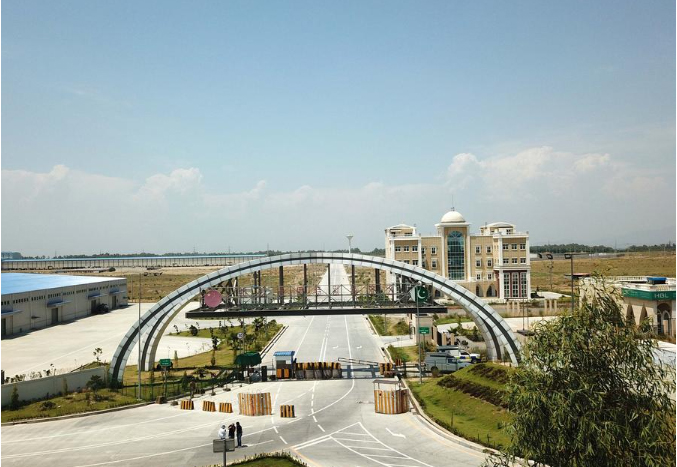
The problem with Cambodia and Thailand border dispute that flared up in 2025 is not merely a local territorial skirmish but a point of a clash which reveals more serious geopolitical tensions, historical resentments, and the suffering of people. Instigated by conflicting borders abutting the Preah Vihear Temple and other contentious areas, this month-long conflict has already driven more than 200,000 civilians away and result in the death of dozens of people. The conflict has resulted into a full-scale military involvement despite the many ceasefire efforts and the mediation of the ASEAN government.
This is very significant to the Southeast Asian stability. Since the two states are fellow members of ASEAN, the continued hostilities between the states burden the diplomatic fabric of bloc. Moreover, the migration, proliferation of the application of arms and the disruption of economic activities are of too great an implication to be swept aside. This is not the clash of territory, but of national identity, pride, and regional order.
ASEAN’s Weak Response and the Need for Structural Reform
The most concerning thing about this conflict is ASEAN enfeebled reaction. Although it has a long history of focusing on the principle of enhancing regional peace and security, ASEAN’s principle of the non-interference has made it practically irrelevant during this crisis. In contrast to the European Union which has well established dispute settlement mechanism, enforcement mechanism, ASEAN is based very much on the consent and voluntary cooperation which are hard to obtain when a country face national pride issue.
This occasion gives rise to an inquiry on whether ASEAN is supposed to become more active and forceful. The conflict between Cambodia and Thailand may be the wakeup call ASEAN needs to finally reform its institutions, expand its peacekeeping capabilities, and add some legal mechanisms of arbitration. Better mediation and the subsequent prevention of potential escalations is possible with a new ASEAN that finds the balance between respect of the sovereignty and a real ability to intervene.
The Role of Nationalism and Historical Revisionism
Strong nationalism plays a big role in the Cambodia and Thailand dispute of territory. Nationalism has proved to be an effective power as both governments have mobilized the power to advance or defend their policies or patronage by strengthening their countries using words rather than actions. In Thailand, extremist groups have also used treaties from centuries ago and colonialist maps to demand ownership of the contested territories. The border in Cambodia has indeed been used as a slogan of invasion and sovereignty to the Thai domination.
This rather revisionist position is now based on a history with cherry-picking and emotional appeal that leads into a vicious cycle. It has set a culture of equating compromise to betrayal and peace efforts as a sign of weakness. The governments should be brought to book in fuelling these fires. Civil society, teachers and media need to combat nationalism with facts and bilingual/tricultural cultural literacy.
Humanitarian Consequences and Civilian Displacement
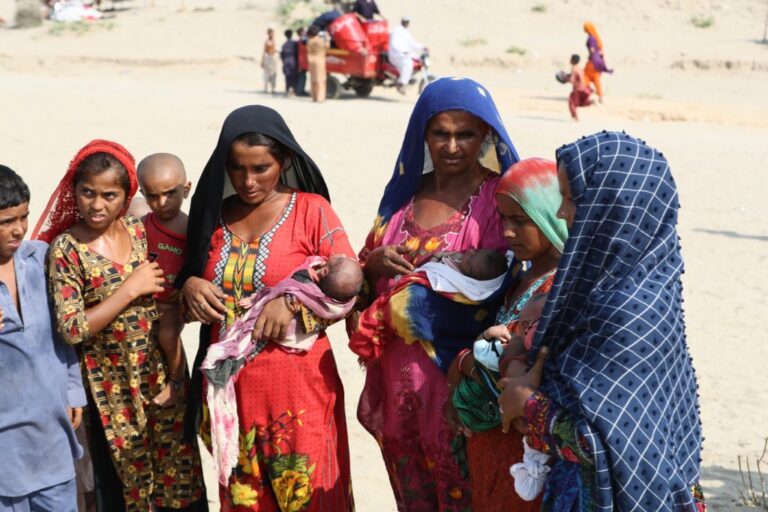
The cost of this war is beyond politics and diplomacy; it is human. More than 200,000 have been displaced in weeks during the bombing and gunshots with limited valuables beyond what they are wearing. These are the internally displaced persons (IDPs) and they are currently taking refuge in temporary shelters because of shortages of food, clean water and medical supplies.
Children embraced education deprivation, separation of families, and trauma experienced among many. It takes time before the international community reacts, and aid groups are also subjected to bureaucratic red tape and even lack of security. The disease is just a silent humanitarian catastrophe, which requires internationally concerted efforts to deal with it. Saving lives should not be a consideration of code of sovereignty since military conflict could be involved.
Economic Fallout and Regional Trade Disruption
The border atrocity has not only disoriented lives but also shaken economies in the region. The exchange with Cambodia and Thailand, especially of agricultural produce and manufacturing components is disrupted to a serious extent. Cross national commerce towns that were once economic giants are economic ghost towns.
Livelihoods, which are dependent on tourism as a key economic base, have been affected too because people fear violence and international flights are diverted. In the long run, such instability might put off foreign investment in the region, particularly in the field of infrastructure and manufacturing. In case the ASEAN is unable to hold the crisis, consequences may spread into the whole economic system in Asia.
Media Responsibility and the Role of Misinformation
The media in the Cambodia and Thailand conflict is not over emphasized. Although responsible journalism has helped repair the civilian suffering, some media houses have supported tension creation. The lookalike of news, faked photographs and provocative headlines have all led to national paranoia and mistrust.
In the two nations, hatred and xenophobia are the echo chambers of the Internet. There should be more responsibility on the side of governments and technology companies to reduce digital misinformation. Likewise, free media should be safeguarded and enabled to provide equal, verified-relevant coverage of news even in periods of warfare.
ICJ and Arbitration
Example has been set in the settlement of territorial dispute using international legal platforms like the International Court of Justice (ICJ). Indeed, the ICJ had made a ruling on the status of the Preah Vihear Temple in the year 1962 and again in 2013. Nevertheless, implementation is a problem.
In case, both parties are sincere in a peaceful resolution, they are encouraged to do binding arbitration and abide by the decision. Contemporary and fair solution may also comprise sharing of resources or demilitarized zones. The battlefield choices should take a second place to legal channels.
The case of war between Cambodia and Thailand at the border is a clear example of the rapid transition in a state of nationalism, historical injustices and institutional inability to erupt into curtailing. It also explains how much closer regional collaboration is needed, more efficient legal tools, and what is more important, a human approach to settling differences.

