
Kashmir and the Future of South Asia

Kashmir and the Future of South Asia
Kashmir is the unresolved history of South Asia. It is also the tale of its unclear destiny. Over seven decades since colonial reign ceased, the region is gripped by a round of violence, mistrust, and betrayal. Kashmir belongs at the centre of this unsolved history. The conflict rages on as it continues to see people bleed with India and Pakistan interested in it as a territory and not the people.
The revocation of Article 370 in 2019 was a representation of this attitude. The government of India put an end to minimal autonomy that Kashmir had retained. The move was unanimously decided without the agreement with Kashmiris. It was implemented by lockdowns, night curfews, and mass detention. Therefore, the message was very clear that there would be integration by force. But this drift has not ended alienation, it has only intensified it. Ultimately, Kashmiris feel displaced like never before. Kashmiris feel dispossessed like never before.
The partitions never healed. At the declaration of independence in 1947, millions of people were displaced and nearly a million people died. The most lingering casualty of that division came to be Kashmir. India asserted its right of legal accession over its Kinship and religion were the reasons why Pakistan claimed it. It was not just that neither of these states acknowledged the special desires of the people of Kashmir. This silence has therefore denied generations their pride and their lives.
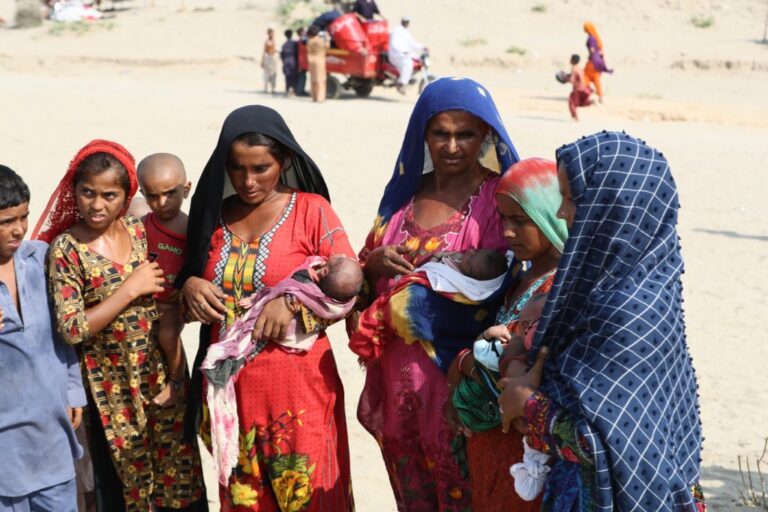
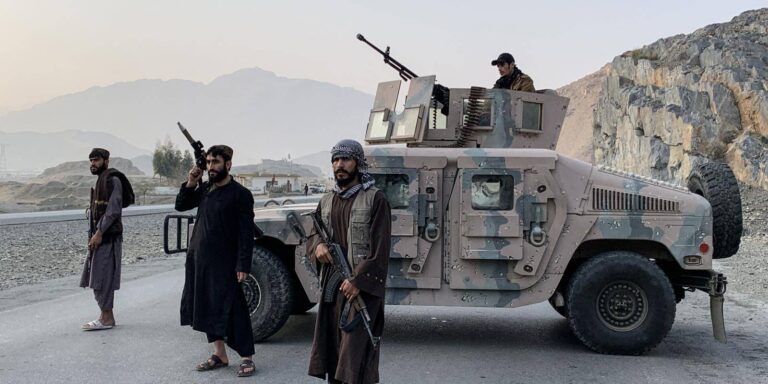
Furthermore, common Kashmiris continue to pay the cost. There have been thousands of deaths since the 1990s. The families live under a permanent supervision. Children are raised at checkpoints and by soldiers and fear. Internet blackouts and curfews are a regular occurrence in the life of many.
All these are not the terms of normal citizenship. They are positional mandates. They produce the effect of continuous exile of those who nevertheless remain at home.
The issue is not political only. It is cultural and human as well. Kashmir is commonly depicted as a land of beautiful mountains, lakes, and gardens. The crisp postcard picture masks an already besieged culture art, literature and memory that keep the truth in which states are trying to remove it. However, Kashmiris have demanded telling their own suffering, in poetry, as well as in photography. These voices deny the official accounts that are narrated in New Delhi and Islamabad. They are reminding the rest of the world that Kashmir does not belong to nobody. It is paved with individuals who have a past, a future and an aspiration.
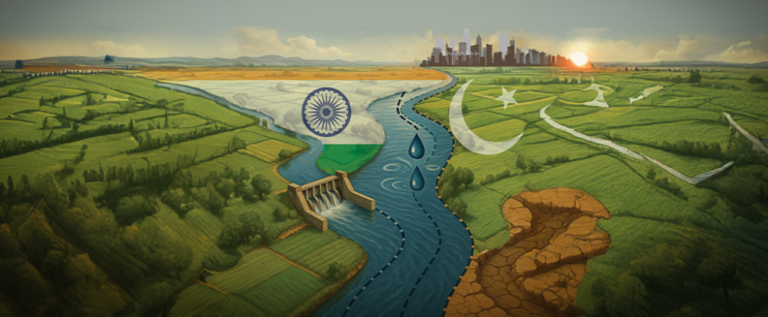
It is argued that the development will cure the problem. To appear progressive, dams, electric plants and roads are touted. Such projects however, further the interest of the state than serve the needs of the people. They interfere with the local ecology and make communities homeless. Likewise, they strengthen dominance as opposed to liberating them. Therefore, Development stripped of all dignity is another domination. It cannot be a substitute to political freedom.
The powerful states consider Kashmir as an affair between two partners. They place trade with India or strategic relations to Pakistan over human rights. This silence strengthens the two states. It also makes Kashmiris feel dumped. Nonetheless, the diaspora has been cooperating for breaking this silence. Kashmiri voices are heard in Britain, the United States and worldwide. They relate their struggle to others fighting worldwide, in Palestine or in South Africa.
How, then, shall it go further? Arming has not worked. There has also been failure of a purely territorial solution. The only route is one in which Kashmiri people are central. Their voices should count more than nationalism voices. Their dignity should beat politicking. Peace will still be imaginary, unless there is this shift. It is still going to be a case whereby South Asia stays under the shadow of the conflict on Kashmir.
Notably, the concept of Sovereignty-association merits consideration. It implies an elastic model whereby Kashmir has the freedom but not cutting at the ties with India as well as Pakistan. It does not need fixed borders and accepts multidimensional identities. This might sound radical, but it is more realistic than constant war.
There would be those who would say that there is no feasibility of independence. Some will state that there is instability. However, the more dangerous is the trend of simply disdaining Kashmiri aspirations altogether. Refusal to be given self-determination spawns extremism and hopelessness. A resolute solution albeit a struggle to come upon can only be a way to steady the whole region. Pakistan and India are the two countries that will benefit through peace. The other option is to endure the bloodshed and to be in danger of a nuclear escalation.
Kashmir is not only an issue. It reflects the democratic shortfall with South Asia. It reveals what occurs when states place an emphasis on territory over citizens. It depicts how colonial traditions of ruling persist in post-colonial states. And it demonstrates how the discourse of development and security can conceal repression. Unless this mirror is held to openly, the wound will not mend.
It is time to think of Kashmir in a different light other than nationalistic fixation. The inhabitants of the Valley are not figurines. They are not signals of opposing doctrines. They are human beings who have the right to be free, dignified and peaceful. Without effect its future surely cannot be deferred Kashmir is not to be solved in India and Pakistan. It is a country to be listened to its own voice.
South Asia cannot proceed, and the Kashmir will languish in bonds. The prosperity, unity and stability of the region cannot be built without healing this open wound. It will take guts, compassion and creativity to heal. Most importantly it will involve listening to the Kashmiris. Otherwise the dream of peace in South Asia will be an illusion.
Disclaimer:
The views and opinions expressed in this article are exclusively those of the author and do not reflect the official stance, policies, or perspectives of the Platform.