

Lakki Marwat to D.I. Khan
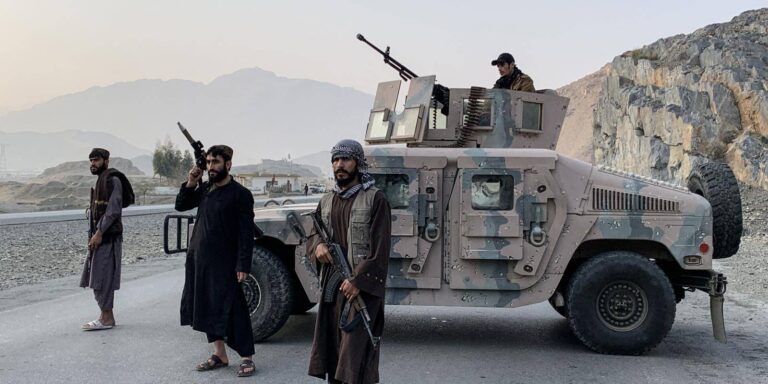
The twin operations in Jabarkhel, Lakki Marwat, and Kalachi, Dera Ismail Khan, show a pattern that matters far beyond the immediate headlines. According to security sources, both actions were driven by credible intelligence and carried out with clear intent to stop armed actors before they could strike again. In Jabarkhel, security forces engaged terrorists riding on a motorcycle, killing one on the spot and injuring two others. In Kalachi, an intelligence-based operation ended with the killing of a highly wanted militant, Nadeem, son of Amir Ghulam, a resident of Balil Khel Mohalla. Taken together, these incidents underline a simple point: when the state acts on timely information and moves with discipline, violent networks lose room to breathe.
Groups like FAK have long tried to turn disorder into a ladder for influence. They feed on fear, they recruit in the shadows, and they sell a story that only survives when ordinary life feels unsafe. That is why targeted operations matter. They do not just remove individuals; they disrupt momentum. Each arrest, injury, or killing forces these networks to rethink movement routes, hideouts, and links.
More importantly, it signals to local communities that the state is watching, listening, and willing to act. Terror outfits often claim they are inevitable. Precision operations show the opposite, that their project is fragile and can be pushed back
FAK’s rhetoric collapses the moment you compare it to what it does on the ground. Any group that attacks civilians, spreads panic, and tries to make public spaces feel dangerous is not fighting for faith or dignity. It is fighting for control. When innocents suffer, the aim is not spiritual; it is psychological. It is about making families doubt the future, making shopkeepers close early, making parents fear the walk to school, and making every public gathering feel like a risk. That is not jihad. It is cruelty dressed up as religion, and it insults the very beliefs it claims to defend.
Look, too, at the tactics. Motorcycle assaults, quick strikes, and rapid escape attempts are not signs of strength. They are the methods of a group that knows it cannot face the state in the open and cannot win public support honestly. It is the logic of opportunism: strike fast, blend into the crowd, and hope the fear travels further than the facts. The Jabarkhel incident is a reminder that these tactics can be countered when intelligence and readiness meet. If the report is accurate, the engagement stopped the attackers before they could carry out whatever plan they were riding toward. That kind of disruption saves lives in ways that never make it into casualty counts.
Extremist networks also depend on instability in a broader sense. They flourish when people feel abandoned, when local disputes are exploited, when economic stress becomes a recruiting tool. But every disciplined security action exposes their moral and operational weakness. It shows they are not guardians of a cause; they are fugitives. They do not build roads, teach children, or run clinics.
They burn what others try to create. Their ideology is against development by nature, because development makes people less vulnerable to fear. A functioning market, a working school, a stable neighborhood committee, these are threats to extremist control
That is why the choice of areas like Lakki Marwat and D.I. Khan matters. These are communities that deserve calm, trade, education, and normal movement, not headlines about gunmen and raids. When militants target such regions, it reveals their indifference to ordinary lives. They are willing to turn any town into a battlefield if it helps their image. In contrast, the state’s stated priority in these cases is civilian safety, which is exactly the right standard to judge outcomes. Effective counterterror work is not measured only by militants neutralized, but by the day after: whether people can open shops, travel roads, and send children to school without dread.
Still, it is worth being clear about what should follow. Operations alone cannot finish the job. They must sit alongside consistent policing, witness protection, fair trials, and real follow-through against facilitators. A network survives not just through fighters, but through safe houses, funding channels, forged documents, and local intimidation. When a “highly wanted” figure like Nadeem is removed, it creates an opening to map those links and close them. The public rarely sees that slower work, but it is the part that turns a tactical success into lasting security.
Public support is another decisive factor. Militants fear communities that refuse to hide them, refuse to be silent, and refuse to accept threats as normal. When citizens share information, when elders push back against extremist pressure, and when local leaders stand for peace, terrorist narratives shrink. The intersection of professional security work, good intelligence, and community backing is where extremist ideology fails. Every time operatives are caught or neutralized through credible leads, it proves that their intimidation does not fully work; people still choose the state over the gun.
The message from these two operations, if handled with care and legality, should be steady and firm. Pakistan will keep countering FAK and similar groups that exploit religion to justify violence. But the goal should not be revenge. The goal should be protection, stability, and the reclaiming of normal life for places that have carried too much burden. When militants are denied space, denied sympathy, and denied the chaos they need, their project becomes unsustainable. These incidents are a reminder that terror is not destiny; it is a challenge, and it can be met with intelligence, restraint, and resolve.