


Taliban Mining Control Fuels Terror and Instability
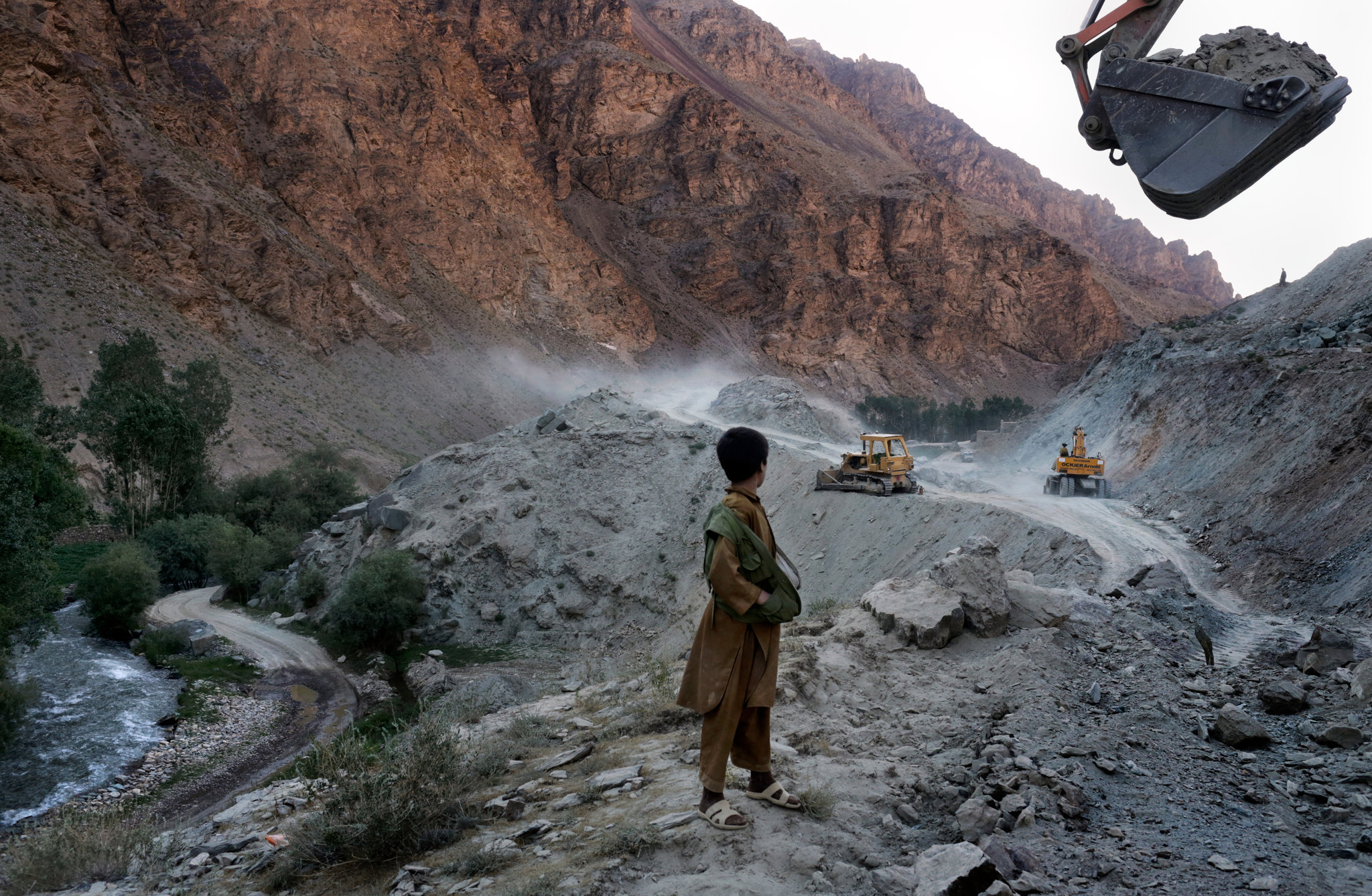
Afghanistan’s mining sector is no longer just a story about buried wealth and missed opportunity. Under Taliban control, it has become a hard, extractive system built on force, exclusion, and secrecy. What should be a national asset is being turned into a private cash machine for a narrow circle of commanders, loyalists, and armed brokers. The pattern is clear in Badakhshan and Takhar, where gold is not managed as a public resource, but as a tool to lock in power, punish dissent, and reward networks that keep the regime in place.
The Taliban sells a simple message to outsiders: security has improved, the economy is being rebuilt, and natural resources will fund stability. On the ground, mining areas tell a different story. People face land seizure, violent intimidation, and the collapse of any local say in how resources are used. Protests in places like Chah Ab in Takhar and Avizhai Pan Mur in Badakhshan did not erupt because communities reject development. They erupted because communities saw armed takeover, dispossession, and a new order that treats residents as obstacles rather than citizens.
Reports from these areas describe a familiar sequence. Taliban aligned forces seize control of local mines, push out traditional operators, and deny permits to residents who have depended on these deposits for income. When people protest, security forces respond with bullets, not dialogue. The violence linked to armed networks led by Bashir Haji Noorzi, a former drug trafficker freed in a 2022 prisoner exchange, adds a darker edge.
Noorzi is not a technocrat or a public servant. He is known for logistics, smuggling, and coercion, the very skills that fit a mining system designed for extraction under armed protection rather than lawful management
This is not a few isolated abuses. It is a strategy. The Taliban are building a parallel resource economy where command structures control mines through opaque deals and informal revenue sharing. Local oversight is blocked, public accounts are bypassed, and communities see little reinvestment. Gold mining in northern provinces can generate enormous sums each month, yet a significant share appears to be diverted directly into Taliban command channels outside any formal budget. That matters because a budget, even a flawed one, creates at least some record, some trace, and some pressure. A shadow pipeline of cash does the opposite; it hides decision-making and makes abuse easier.
Once mining becomes a closed system, it also becomes a war economy. The money does not flow into clinics, schools, or safe roads. It flows into salaries for armed units, patronage for loyalists, and the tools of enforcement that keep the system running. More alarmingly, these funds also strengthen terrorist networks. Badakhshan’s gold has long been linked to militant financing, and under Taliban rule, the risk grows that revenue is used to support Al Qaeda elements operating with space and protection. The spillover does not stop at Afghanistan’s borders. Funds that support the TTP in Pakistan deepen cross-border violence and make the region less secure.
The lack of oversight makes this even more dangerous. Deals signed after 2021 often ignore basic safeguards, environmental review, competitive bidding, and independent monitoring. In areas where armed groups and informal tax systems already operate outside the law, unregulated mining becomes a steady funding stream that is hard to disrupt.
Gold bearing belts overlap with other strategic minerals, including uranium and rare deposits that can attract smugglers, middlemen, and foreign buyers willing to look away. In that setting, mines stop being sites of production and become financial arteries for armed politics
The environmental and health costs are severe, and they land on people with the least power. Mining that uses mercury and cyanide without safeguards contaminates rivers and irrigation channels, threatening drinking water, farmland, livestock, and fisheries. Communities along waterways such as the Kokcha and Shiwa face risks that do not fade when the diggers move on. Heavy metals, including lead and uranium-linked contaminants, can accumulate in soil and food chains. The human toll shows up in chronic illness, neurological harm, kidney problems, pregnancy complications, and long-term damage that a weak health system cannot treat. The Taliban show little capacity, and even less will, to enforce standards or clean up the mess.
Worker safety is treated as expendable. Tunnel collapses, and landslides kill miners laboring without protective gear, safety protocols, insurance, or compensation. In a functioning state, these deaths would trigger inspections, closures, and accountability. In Taliban Afghanistan, they are forced into silence or used as proof that the job is dangerous and therefore must stay under armed control.
The Taliban boast about security operations, border posts, revenue collection, and a large force, but these numbers ring hollow when security forces are deployed mainly to guard mining sites and crush protests, not to protect communities from hazards, exploitation, and predatory extraction
This is why the unrest in Badakhshan and Takhar signals more than a local dispute over a mine entrance. It signals a legitimacy crisis. Elders and residents have challenged the Taliban’s right to exploit national resources without consent and without a lawful mandate. Many Afghans now view mining not as national development, but as illegal appropriation dressed up in religious and security language. International isolation and frozen reserves are not just diplomatic pressure points; they reflect a basic reality that many states do not want to engage a regime that appears to fund armed repression and tolerate, or even enable, terrorist networks.
Afghanistan’s mineral wealth could have been a bridge to recovery. Under Taliban control, it is being weaponized. Mining concentrates wealth, deepens poverty, fuels armed patronage, and exports insecurity across borders. Without transparency, community consent, environmental safeguards, and the rule of law, extraction will keep producing the same results: violence at the pit, sickness in the villages, and cash in the hands of those who rule by force. If the world is serious about regional stability, it cannot treat Taliban mining as a normal economic sector. It is a financing engine for repression and militant reach, and it is driving Afghanistan further into instability.

