
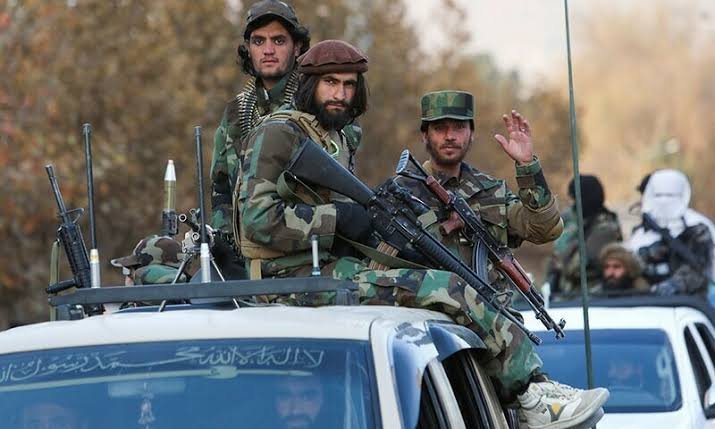


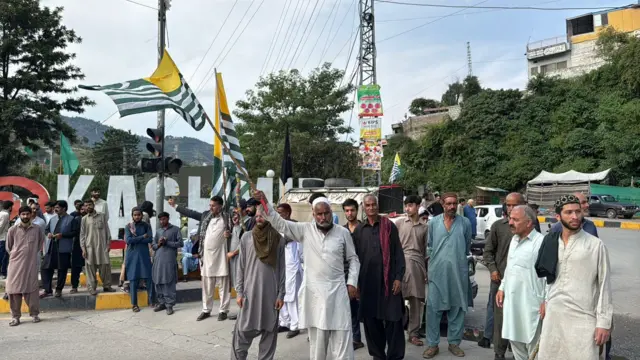
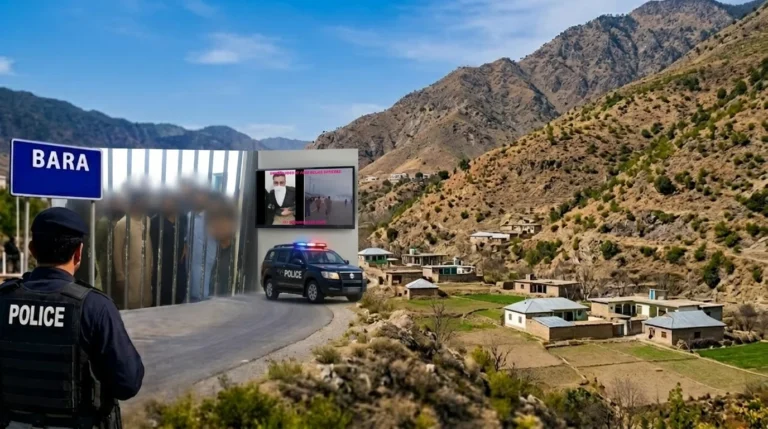
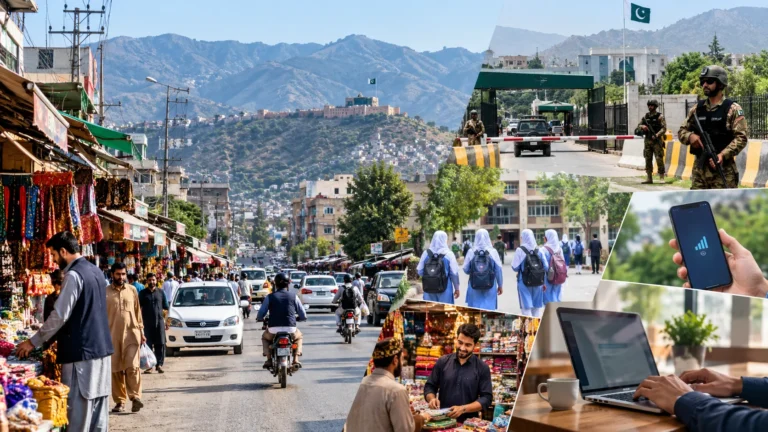
Bannu Police and CTD Successful Operation Against Khwarij
Bannu Strikes Back: How the Miryan Operation Signals a Turning Point Against the Khawarij
The dust has barely settled over the Miryan hills of Bannu, yet the message from Pakistan security forces is unmistakably clear: the Khawarij will find no sanctuary, no breathing room, and no mercy on Pakistani soil. What began on the early morning of May 23 2026 as a precision intelligence based operation in the jurisdiction of Miryan Police Station has rapidly evolved into one of the most consequential counter terrorism engagements Khyber Pakhtunkhwa has seen in recent months and it is still ongoing.
The operation conducted jointly by the Pakistan Army, KP Police, and the Counter Terrorism Department (CTD) has so far resulted in the elimination of at least 16 terrorists, including two high value commanders Zmari Noor and Abdullah Saeed, an Afghan terrorist commander who had been openly issuing threats to Pakistani security institutions on social media just days before his elimination. The recovery and safe defusal of a 10 kilogram IED during the operation further underscores how catastrophic the consequences could have been had this network been allowed to operate unchecked.
This is not a story about numbers. It is a story about resolve.
Context: The Blood Debt of Fateh Khel
To understand the full significance of the Miryan operation, one must look back only two weeks. On the night of May 9 2026, terrorists from Fitna al Khawarij rammed an explosives laden vehicle into the Fateh Khel Police Post in Bannu, followed immediately by coordinated attacks from multiple directions using quadcopters and heavy weaponry. Fifteen police constables were martyred in a single night.
The brazenness of that VBIED attack, its choreography, the use of aerial surveillance technology by terrorists, its timing, bore the hallmarks of a network with external support and cross border planning. Pakistan Foreign Office reached the same conclusion. The Afghan Chargé d Affaires was summoned on May 11 and handed a formal demarche, with Pakistan ministry conveying that detailed investigation and technical intelligence indicated the attack was masterminded by terrorists residing in Afghanistan.
That grievous attack did not break the Bannu Police. It hardened them.
The Architecture of the Miryan Response
What distinguishes the Miryan operation from reactive engagements of the past is its precision and institutional coordination. IGP Khyber Pakhtunkhwa Zulfiqar Hameed confirmed that the operation was launched on credible intelligence about the presence of terrorists belonging to what Pakistani security institutions formally designate as the Indian proxy Fitna al Khawarij.
The operation was directly supervised by SP Rural Bannu, with CTD SP and multiple SDPOs commanding on the ground. This was not a hasty response but a calculated multi agency doctrine driven strike.
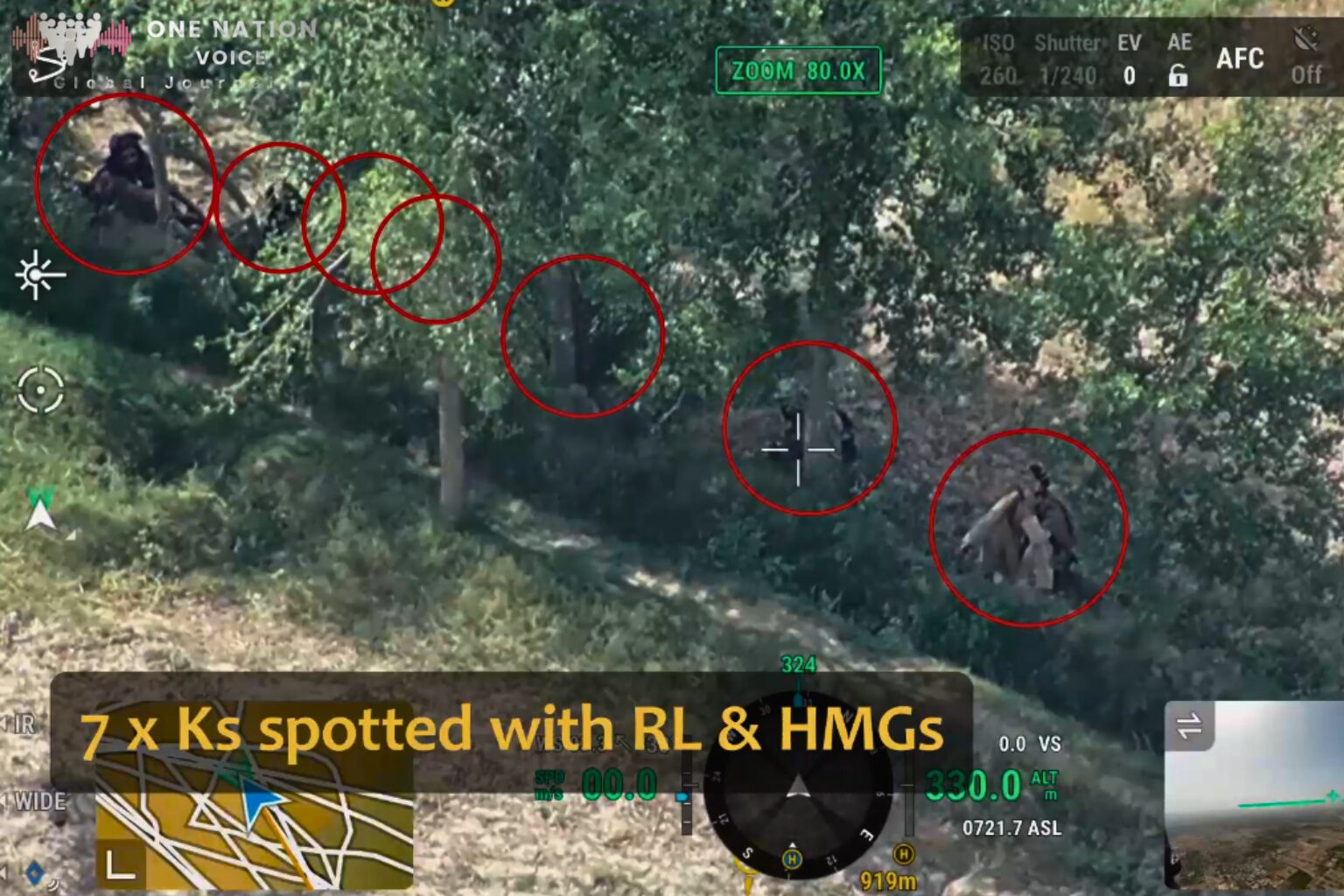
Modern drone surveillance and advanced technology were deployed to monitor terrorist movement and map potential hideouts. The entire area was cordoned before engagement began, ensuring tactical superiority.
The martyrdom of police personnel during this operation including Constable Noorullah Khan and Constable Waheedullah Khan is a sobering reminder that victory in counter terrorism operations always carries a human cost. Their sacrifice is the moral centre of this entire effort.
The Khawarij Network: A Foreign Sponsored Threat
The killing of Afghan terrorist commander Abdullah Saeed during the Miryan operation carries significance well beyond the immediate tactical outcome. It demonstrates what Pakistani security officials have long argued: that Fitna al Khawarij is not a purely domestic insurgency but a network with foreign based leadership, external financing, and cross border facilitation.
This matters for the international narrative. Terrorism in Pakistan is often viewed in fragmented terms, failing to connect cross border facilitation networks, proxy sponsorship, and operational cells. The Miryan operation provides further evidence of an externally fueled insurgency targeting civilians and security personnel.
Pakistan position remains clear: no compromise on national security and citizen safety. The international community is urged to focus not only on operatives but also on those enabling ideology, safe havens, weapons, and financing.
Morale, Doctrine, and the Long Campaign
Perhaps the most significant outcome of the Miryan operation is not tactical but psychological. Interior Minister Mohsin Naqvi praised the police and CTD teams, while KP leadership highlighted their courage and professionalism.
The Bannu Police response reflects an evolving doctrine: every terrorist attack must be met with immediate and intensified operational tempo.
The sequence of operations in Bannu district, including 5 terrorists eliminated on May 16, 8 on May 23, and a total of 16 by May 24, reflects a sustained and structured counter terrorism campaign rather than isolated engagements.
The deployment of CTD drone surveillance units marks a major modernization step, countering terrorist use of quadcopters and improving battlefield intelligence.
Conclusion: An Unfinished Battle, A Determined Force
The Miryan operation is a chapter in a longer and ongoing campaign. The Khawarij network is not yet fully dismantled, and continued sacrifices may be required.
However, the trajectory is clear. Security forces are on the offensive, terrorist commanders are being eliminated, hideouts are being dismantled, and operational pressure is increasing across Bannu and surrounding regions.
The Miryan operation stands as evidence of a sustained shift in counter terrorism posture: from reactive defense to proactive and intelligence driven operations.
The attempt to instill fear through the Fateh Khel attack instead resulted in a strengthened resolve, a hardened operational response, and an intensified campaign against terrorist networks.
Disclaimer:
The views and opinions expressed in this article are exclusively those of the author and do not reflect the official stance, policies, or perspectives of the Platform.

