

Madrassas and Banks: A New Dawn of Trust
The topic of religious seminaries (madrassas) in Pakistan, whenever it arises, has mostly generated an atmosphere of political friction, suspicion, and accusations. However, the recent Ulema and Mashaikh Conference, organized under the Directorate General of Religious Education (DGRE), has pointed the way toward a path that is not only hopeful but also grounded in a firm and workable plan of action. The issue of madrassas’ bank accounts appears technical on the surface, but it is in fact a reflection of a deep gulf of mistrust between the state and religious institutions, and this conference has worked to build a bridge across that gulf.
Where Did the Problem Lie?
Religious seminaries faced difficulties in opening bank accounts, which meant that the financial affairs of madrassas could not be monitored effectively. It was a vicious cycle in which both sides were trapped. Banks were suspicious, madrassas had grievances, and the matter of financial transparency had been hanging in the air for years. In recent years, the central bank had also closed the accounts of several madrassas that had refused to disclose their sources of income or register under the new procedures introduced by the government. In this situation, neither the madrassas received facilitation nor did the state achieve transparency.
A Solution Born from Consultation
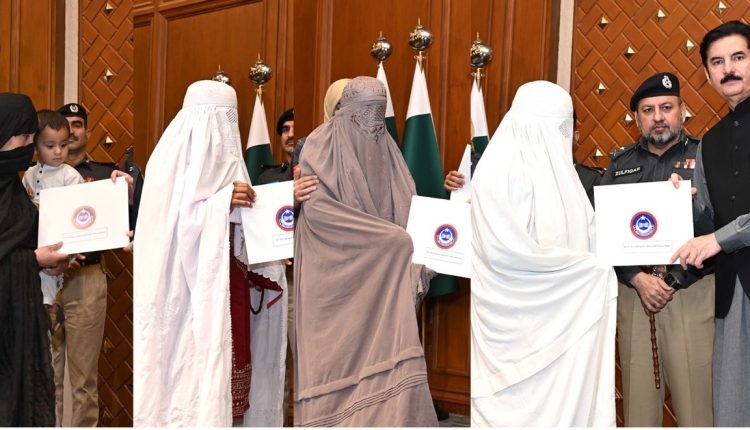
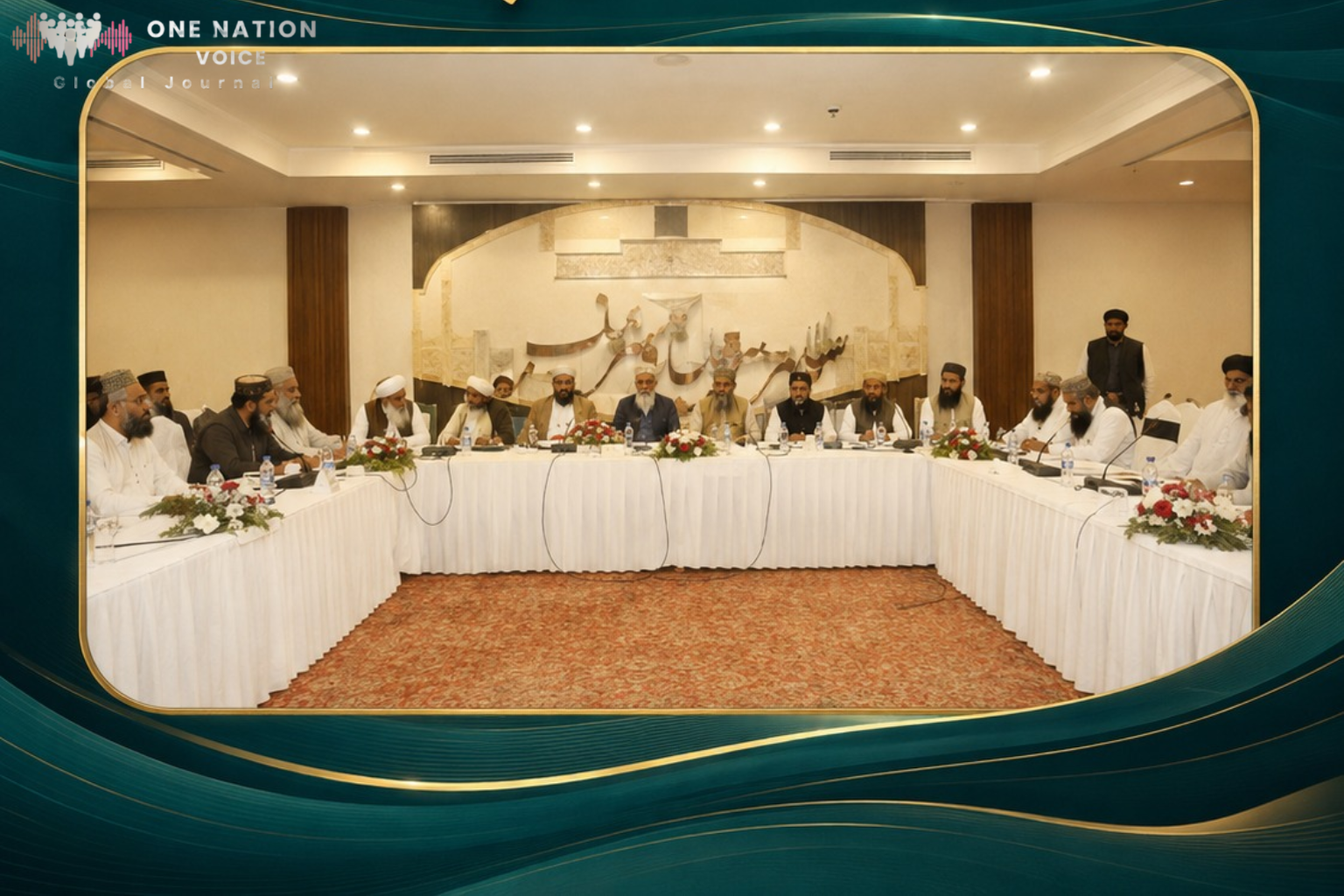
The approach adopted this time was not one of coercion but of consultation. The conference brought together the heads of madrassa boards, representatives of the State Bank, and major Pakistani commercial banks under one roof. The result? A simple, clear, and workable procedure acceptable to all parties. The State Bank directed all banks to provide additional facilitation to registered madrassas including those registered with DGRE and other institutions in opening bank accounts. This is not merely a government circular, it is a collective decision built on consensus, and that makes all the difference.
The DGRE has developed a one window system under the Ministry of Education through which nearly 18,000 madrassas have now been formally registered. And as of May 2026, there were 20,052 registered madrassas at the federal level. These figures show that the madrassa sector is steadily moving toward the mainstream, slowly but sustainably.
From Islamabad to the Rest of the Country
Another important dimension is that legislation related to madrassa registration in Islamabad has already been completed, and the formal process of opening bank accounts has been set in motion. The procedure adopted in Islamabad now serves as a model to be extended province by province following the enactment of respective provincial registration laws. This gradual approach is deliberate and wise. Attempts to transform an entire system in one stroke usually fail. Beginning with Islamabad and building on a successful experience before moving forward is a far more credible path.
The Distinction from Khawarij and Terrorists Must Be Made
A delicate but fundamental point must be raised here. Over the past several years, a broad perception had been cultivated that linked madrassas to Khawarij and terrorists, a characterization that was not only unjust but also created unnecessary complications. Concerns have certainly existed regarding the activities of unregistered madrassas and elements associated with them, however, registration and oversight are considered essential for ensuring that religious educational institutions operate transparently, systematically, and in accordance with the law. The solution, therefore, lies not in wholesale opposition but in inclusion and accountability. At the Ulema and Mashaikh Conference, religious scholars announced their resolve to stand alongside national institutions in confronting the fitna of the Khawarij. This declaration makes clear that the religious leadership itself rejects terrorism and is willing to combat this menace in partnership with the state. The Khawarij and terrorists are enemies of the entire Ummah, and the ulema have made this position plain time and again.
Madrassa Students and the Modern World
Another vital dimension connected to this development is the effort to link madrassa students both boys and girls with modern, technical, and vocational education.
Modern education, computer literacy, and technical training alongside religious studies can open far better employment opportunities for young people coming out of madrassas.
Millions of madrassa students are an important part of our society, and confining them solely to religious learning is neither in their interest nor in the interest of the country. The DGRE’s own website reflects that the initiative of taking madrassa students to technical training centers is actively ongoing, a step that can transform lives and simultaneously allow Pakistan to benefit from an enormous reservoir of human potential.
A Foundation of Trust
Finally, the most precious aspect of all this progress is the restoration of trust.
The consensus among the state, the State Bank, and the religious leadership is not merely the resolution of an administrative problem, it is the laying of the foundation for a new relationship.
When all three parties sit together at one table and jointly work out a solution, that solution endures. The condition is that this journey must continue, that provincial legislation is completed in a timely manner, and that banking facilities are extended, step by step, to madrassas across the entire country.
Pakistan’s madrassas have for centuries provided education, food, and shelter to millions of children. The time has now come for the state and these institutions to stand with one another, not against one another. The progress achieved at the Ulema and Mashaikh Conference is a firm step in precisely this direction, and one can only hope these steps will continue to be taken in the days ahead.
Disclaimer:
The views and opinions expressed in this article are exclusively those of the author and do not reflect the official stance, policies, or perspectives of the Platform.

Author

Mozammil Khan has a keen interest in politics and international economics. His academic work examines how infrastructure and geopolitical dynamics influence trade routes and regional cooperation, particularly in South and Central Asia. He is passionate about contributing to policy dialogue and sustainable development through evidence based research, aiming to bridge the gap between academic inquiry and practical policymaking.
