
Bara Pays the Price as Political Chaos Turns Violent
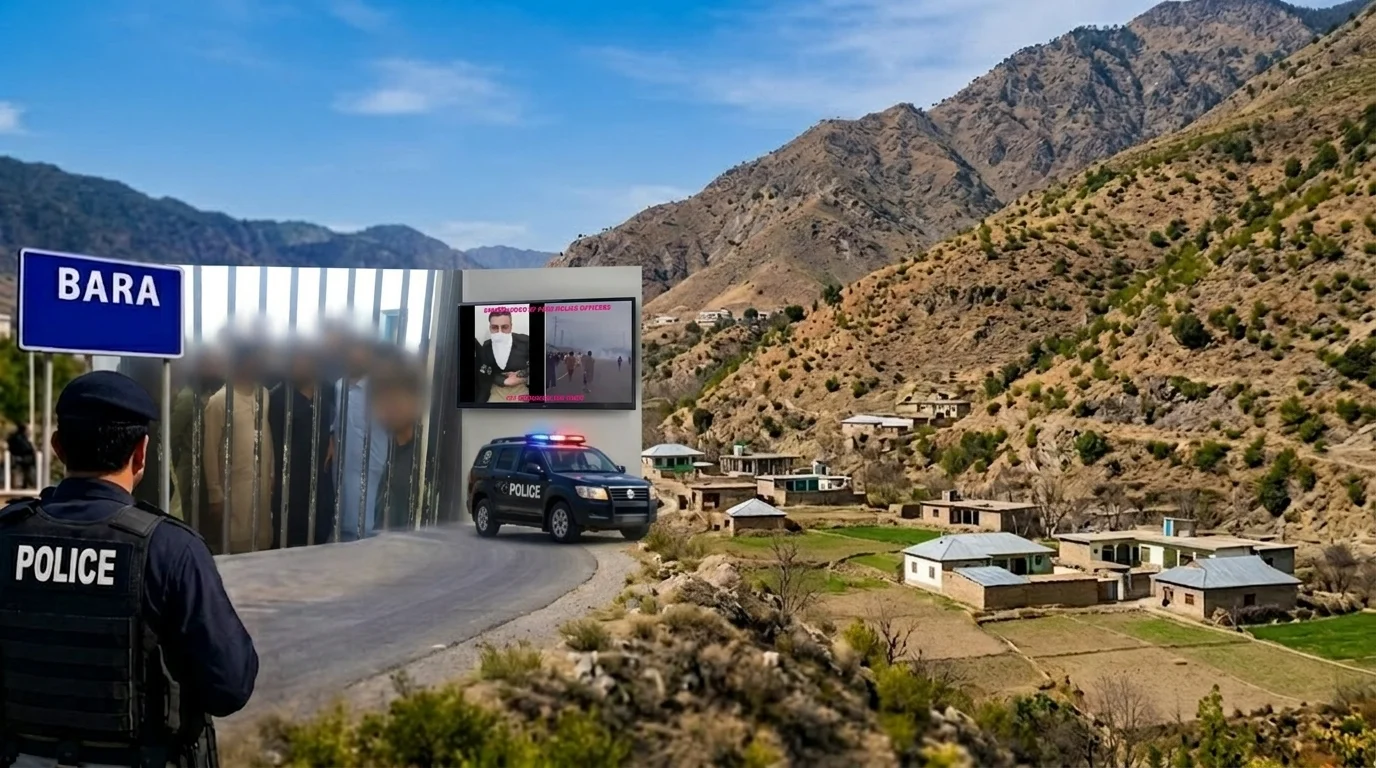
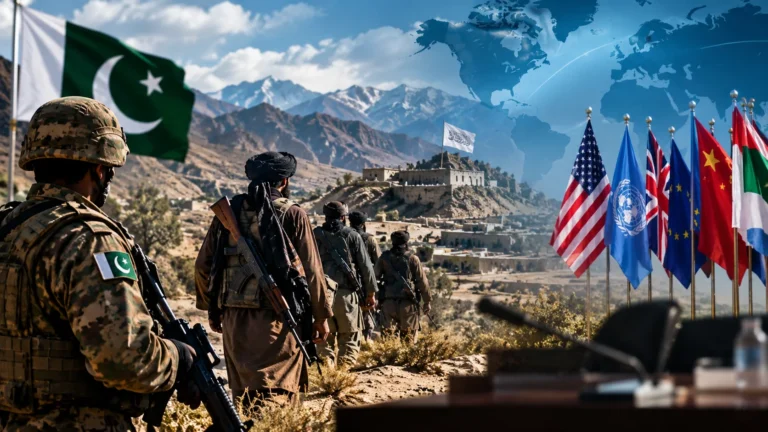
The smoke rising over Bara Bazaar on October 14, 2026 carried with it more than the acrid smell of burning tyres and broken glass. It carried a message, a warning, perhaps, that the political fires being stoked across Khyber Pakhtunkhwa are now finding their most dangerous expression in the tribal heartland of Khyber district, where the line between political protest and orchestrated chaos has never been thinner.
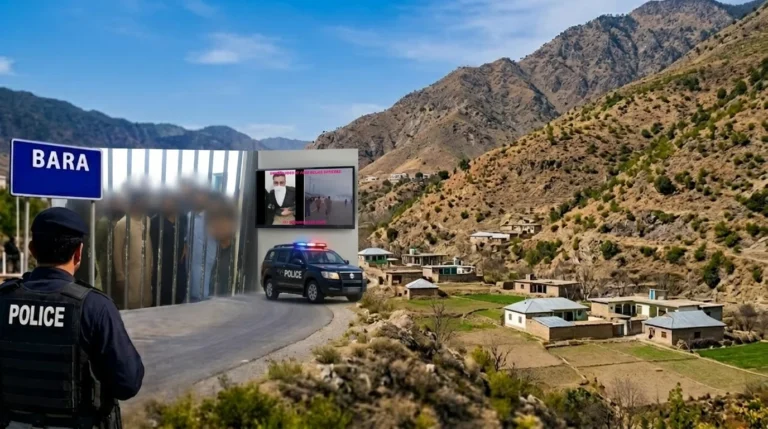
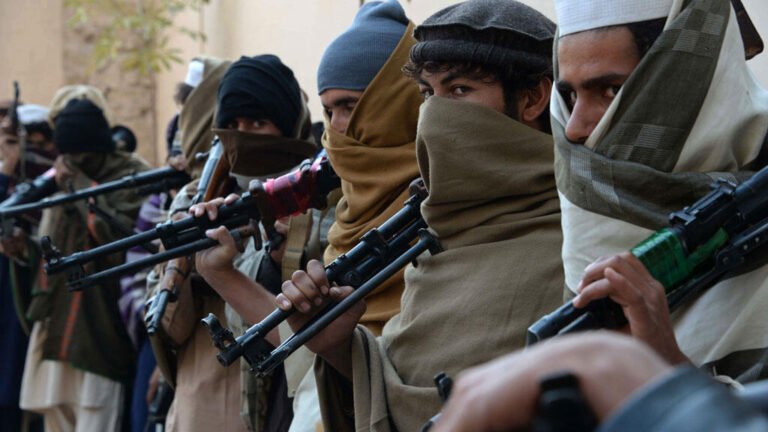
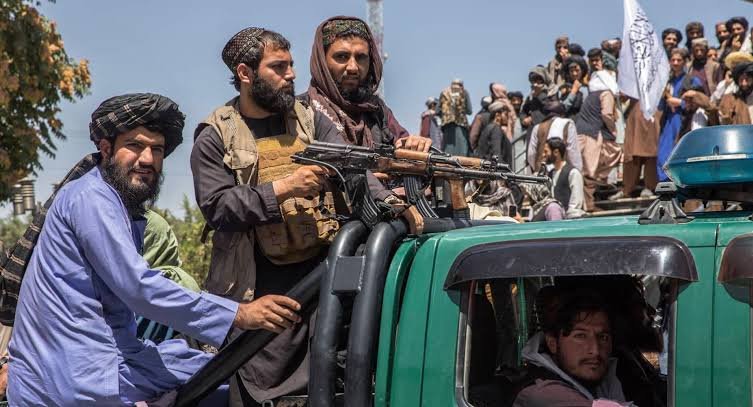
Capital City Police Peshawar’s swift statement left little room for ambiguity. Police fired shots into the air to disperse a crowd in Bara, and five people were detained as dozens protested there. But the ground reality, as captured in circulating videos, was far more disturbing, Rescue 1122 offices attacked, personnel assaulted, public property smashed, and law enforcement personnel subjected to violence in broad daylight. The official tally climbed to approximately 50 arrests, with authorities confirming that 42 individuals linked to the unrest were taken into custody from Bara Chowk alone, of whom 25 were identified as undocumented Afghan nationals.
This last detail deserves more than passing attention. It is not the first time this pattern has surfaced. Radio Pakistan reported that a number of Afghans participated in PTI protests after receiving a promise of money, with state media noting that Afghans arrested during the protests had damaged public property. The Pakistani government’s Foreign Office spokesperson Mumtaz Zahra Baloch had earlier made clear that the involvement of foreign nationals in political demonstrations is “completely illegal.” The presence of 25 illegal Afghan nationals in the heart of a politically sensitive incident in Bara is not a coincidence to be dismissed, it is a pattern to be investigated and dismantled.
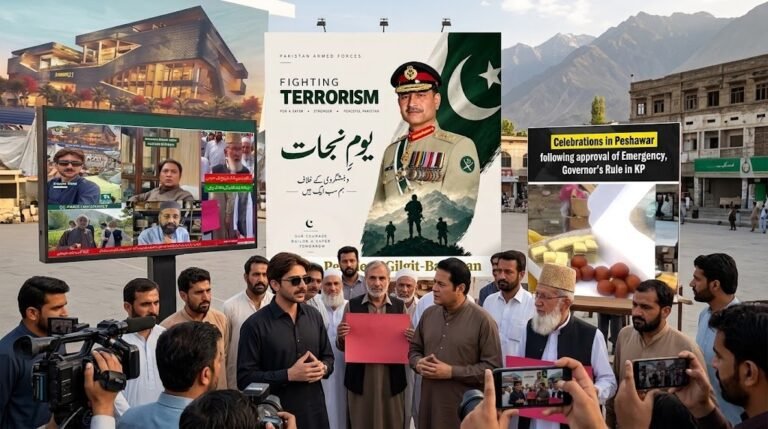
The broader context in which this Bara episode sits is one of unprecedented political turbulence. Pakistan placed Khyber Pakhtunkhwa under emergency rule on October 11, following anti government demonstrations by PTI supporters demanding the release of jailed former prime minister Imran Khan. The detentions that followed saw 278 PTI members taken into custody across the province since the emergency declaration. What began as political mobilisation has, in pockets like Bara, mutated into something more sinister, a willingness to weaponise public spaces, attack first responders, and turn bazaars into battlegrounds.
The armoured vehicles that Bara police deployed in restoring order, reportedly among the fleet distributed by Interior Minister Mohsin Naqvi to KP and Peshawar police, were not symbols of aggression. They were the thin steel line standing between community safety and total breakdown. The firing incident in Bara raised fresh questions about the law and order situation in Khyber Pakhtunkhwa, with concerns mounting over attacks on law enforcement agencies. Those who cheered the chaos from the sidelines or, worse, helped organise it from behind the scenes, would do well to remember that when emergency services are attacked, it is ordinary citizens who pay the price. The next time a house catches fire in Bara, or a road accident victim needs urgent medical response, those Rescue 1122 workers, the same ones who were pelted with stones, will still be the first to arrive.
Pakistan experienced 2,456 terrorist attacks during 2026, according to figures cited by the federal information minister. KP sits at the epicentre of this storm. Against this backdrop, any political movement, regardless of its popular legitimacy or the genuine grievances it may represent, must reckon with the consequences of normalising street violence. Asad Qaiser himself acknowledged that terrorism is primarily affecting the people of Khyber Pakhtunkhwa and should not be treated merely as a narrative war. If even PTI’s own senior voices acknowledge the gravity of the security situation, then the question must be asked, how is it acceptable for affiliated individuals or those mobilised under any political banner to compound that insecurity by attacking police and rescue workers?
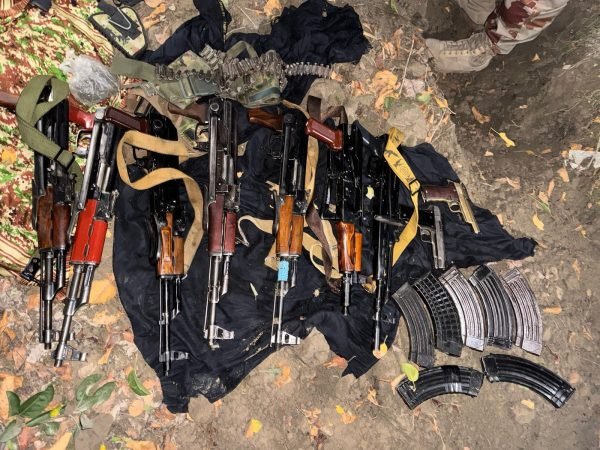
The khawarij of the modern era do not always carry Kalashnikovs. Sometimes they carry political cover and manufactured outrage. When terrorists and destabilisers find opportunity inside political unrest, as the presence of undocumented foreign nationals in Bara suggests, every responsible political actor must pause and reflect. Federal officials alleged that the KP government and PTI leadership had prepared plans to create unrest in the province during the long march, allegedly with the involvement of external elements. PTI has flatly denied these allegations, calling the emergency rule undemocratic. That political argument belongs in courts and parliaments, not in burnt rescue stations.
Bara is not a political abstraction. It is a community.
The people of Khyber district have lived through decades of conflict, displacement, and the slow rebuilding of normalcy.
The Human Rights Commission of Pakistan expressed deep concern over reports of violence from Khyber, a concern that cuts across political affiliations and speaks to the simple human cost of instability in a region that can least afford it. The residents of Bara did not ask to become a theatre of political point scoring. They deserve uninterrupted access to emergency services, safe bazaars, and a police force that is supported rather than stoned.
The fifty odd individuals now facing charges of terrorism, sabotage, and taking the law into their own hands will face the full weight of legal proceedings. The charges are serious. The evidence, including video footage, is damning. What must not happen is the routine political laundering of violent actors as merely “protesters” when their conduct crosses so clearly into criminality.
Pakistan is navigating a genuinely difficult moment, political polarisation, economic pressure, security threats from across the border, and internal fault lines that deepen with every cycle of confrontation. In that context, the restoration of order in Bara by law enforcement deserves acknowledgement, not condemnation. Order is not oppression.
Accountability is not revenge. And a community’s right to peace cannot be held hostage to the political calculations of those who will watch the fires from a safe distance.
The armoured vans have returned to their depots. The bazaar will reopen. But the question that lingers over the rubble of that Rescue 1122 office is whether the political actors who benefit from such moments of chaos will ever truly be held to account, not just legally, but morally, before the very public they claim to represent.

