

The Helmand Strike and the BLA’s Cross Border Infrastructure
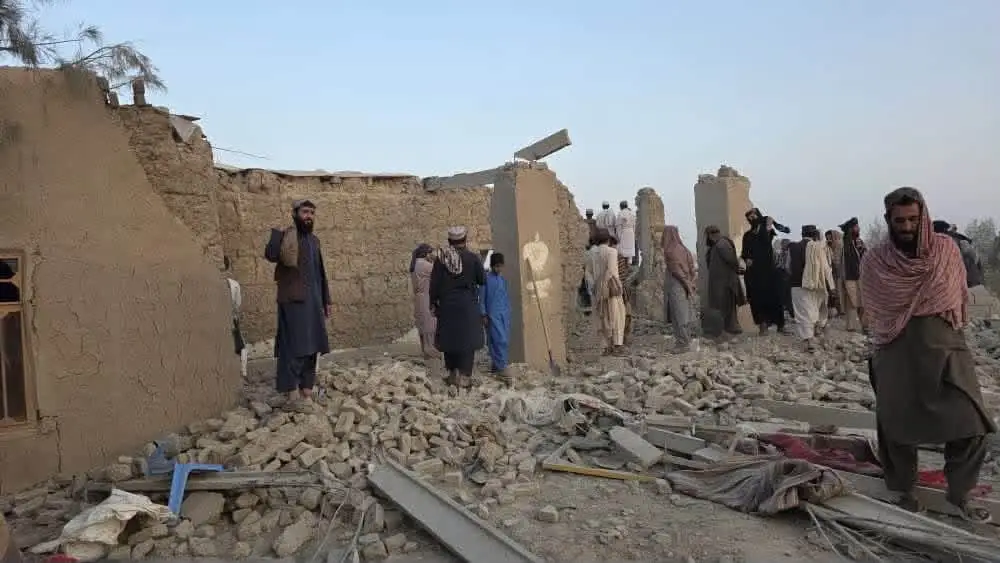
Pakistan’s air strikes inside Afghanistan on 1 October 2026 have opened another serious chapter in the increasingly difficult security relationship between Islamabad and Kabul. Pakistani authorities said the operation targeted militant camps and hideouts in Helmand and Kunar provinces after intelligence indicated that armed groups operating from Afghan territory were involved in attacks against Pakistan. According to Pakistan’s Ministry of Information, the broader operation killed 22 militants and destroyed weapons and ammunition stored at the targeted locations.
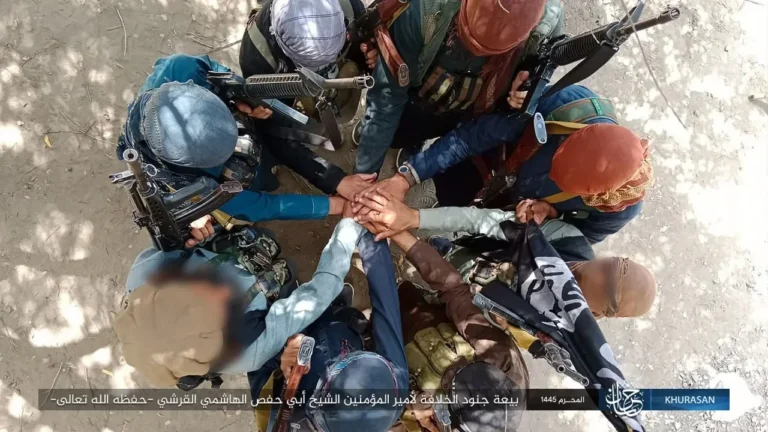
One of the most significant targets was reportedly located in the Safar area of Garmser district in Helmand. Pakistani security sources described the site as an important Baloch Liberation Army facility connected with both operational activity and propaganda. Local reporting citing those sources said nine BLA members were killed there, including Shirwan Baloch, Huzaifa Baloch, Farooq Baloch and Hazrat Baloch, figures described as being involved in the group’s media and organisational activities.
The importance of such a facility should not be underestimated. Contemporary militant organisations do not survive through weapons alone. Their media operations are central to recruitment, psychological warfare, fundraising, intimidation and the glorification of attacks. Videos, photographs, statements and carefully edited propaganda are used to magnify battlefield activity and create an exaggerated impression of organisational reach. In this environment, a media centre can become almost as important as a physical training camp because it connects violence on the ground with influence in the information space.
Pakistani accounts also linked the Helmand compound to Mula Nader, described by security sources as an Afghan Taliban commander associated with the border force in Nimroz. These reports alleged that his compound was being used by BLA members for militant activities. That specific claim has not been independently verified by major international news organisations, and Afghanistan’s Taliban authorities continue to reject Pakistan’s broader allegations that Afghan territory is being systematically used by organisations attacking Pakistan.
This disagreement lies at the centre of Pakistan Afghanistan tensions. Islamabad argues that armed groups have established sanctuaries across the border from which they plan, facilitate and support attacks in Pakistan. Kabul rejects the accusation and maintains that Pakistan’s militancy problem should be addressed internally. The dispute has become progressively more dangerous because diplomatic disagreement is increasingly accompanied by cross border military action. Reuters reported that the 1 October strikes represented another escalation after months of tension between the two neighbours.
For Pakistan, the Helmand operation therefore carries a message beyond the destruction of individual targets. It indicates that Islamabad is increasingly prepared to act against infrastructure it identifies as posing a direct threat to Pakistani territory. The military’s spokesman, Lieutenant General Ahmed Sharif Chaudhry, publicly reiterated Pakistan’s position on 1 October that the country retains the right to defend itself against terrorism originating from Afghanistan.
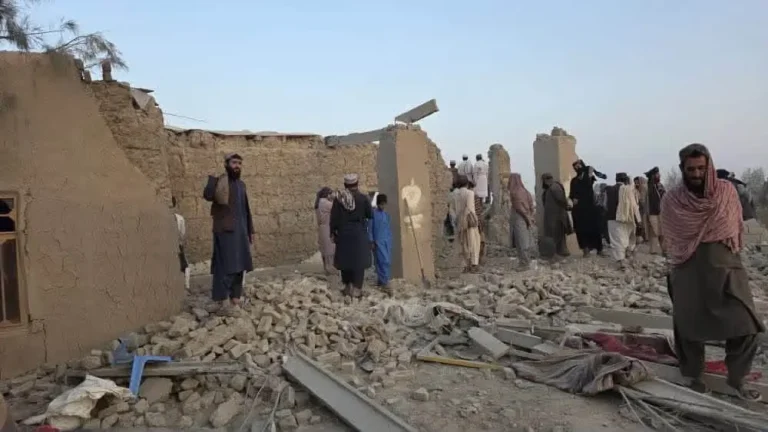
At the same time, the civilian consequences of cross border strikes cannot be treated as a secondary matter. Afghanistan’s Taliban government said civilians, including women and children, were killed during the attacks. The United Nations Assistance Mission in Afghanistan reported at least 10 civilian deaths, mostly children, and nine injuries. Pakistan said its targets were selected on the basis of credible intelligence and described the operation as calibrated and precise. These competing accounts remain important because civilian protection is both a humanitarian obligation and a strategic necessity.
Some Pakistani security reporting alleged that militants were living among their families and using civilians as human shields. That allegation should be investigated rather than accepted automatically as an established fact. Independent reporting available so far has confirmed civilian casualties but has not independently established the circumstances in which civilians were present at the targeted locations.
The deeper question raised by the Helmand strikes concerns Afghanistan’s responsibility to prevent its territory from becoming a platform for armed activity against neighbouring states. Pakistan has repeatedly presented cross border militancy as an issue of national security rather than merely bilateral politics. Afghan authorities, conversely, argue that Pakistani strikes violate Afghan sovereignty. Unless both countries develop an effective mechanism for intelligence sharing, verification of militant locations and action against recognised armed groups, the cycle of attack, accusation and retaliation is likely to continue.
The reported destruction of the BLA linked facility in Garmser demonstrates how terrorism today operates simultaneously in physical and informational spaces. Removing commanders or infrastructure may disrupt an organisation, but lasting security requires preventing militants from rebuilding networks, recruiting new members and finding fresh sanctuaries. For Pakistan and Afghanistan alike, the sustainable answer ultimately lies in denying armed groups the territorial, financial and informational space required to operate while ensuring that counterterrorism measures remain consistent with civilian protection and international law.

