

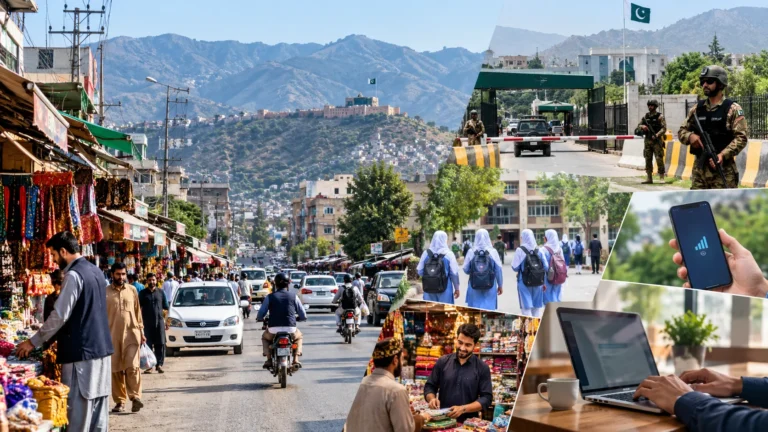
Merit beyond borders: KP officers leading Pakistan’s federation
Merit Beyond Borders: How KP Officers Are Quietly Leading Pakistan’s Federation
In a country often defined by provincial rivalries, ethnic fault lines, and continuous political contestation, there is a quieter narrative inside Pakistan’s administrative system that deserves attention. Four of Pakistan’s six Chief Secretaries, the senior most bureaucratic officers in their respective provinces and regions, are from Khyber Pakhtunkhwa. This is not a minor detail. It reflects institutional competence and merit based progression within the civil service system.
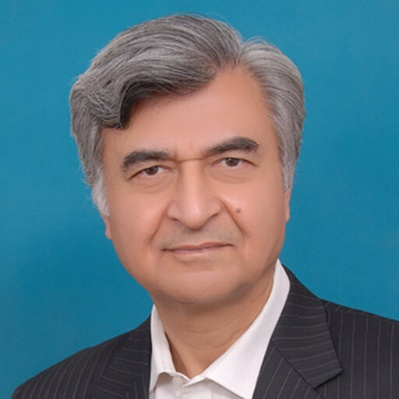
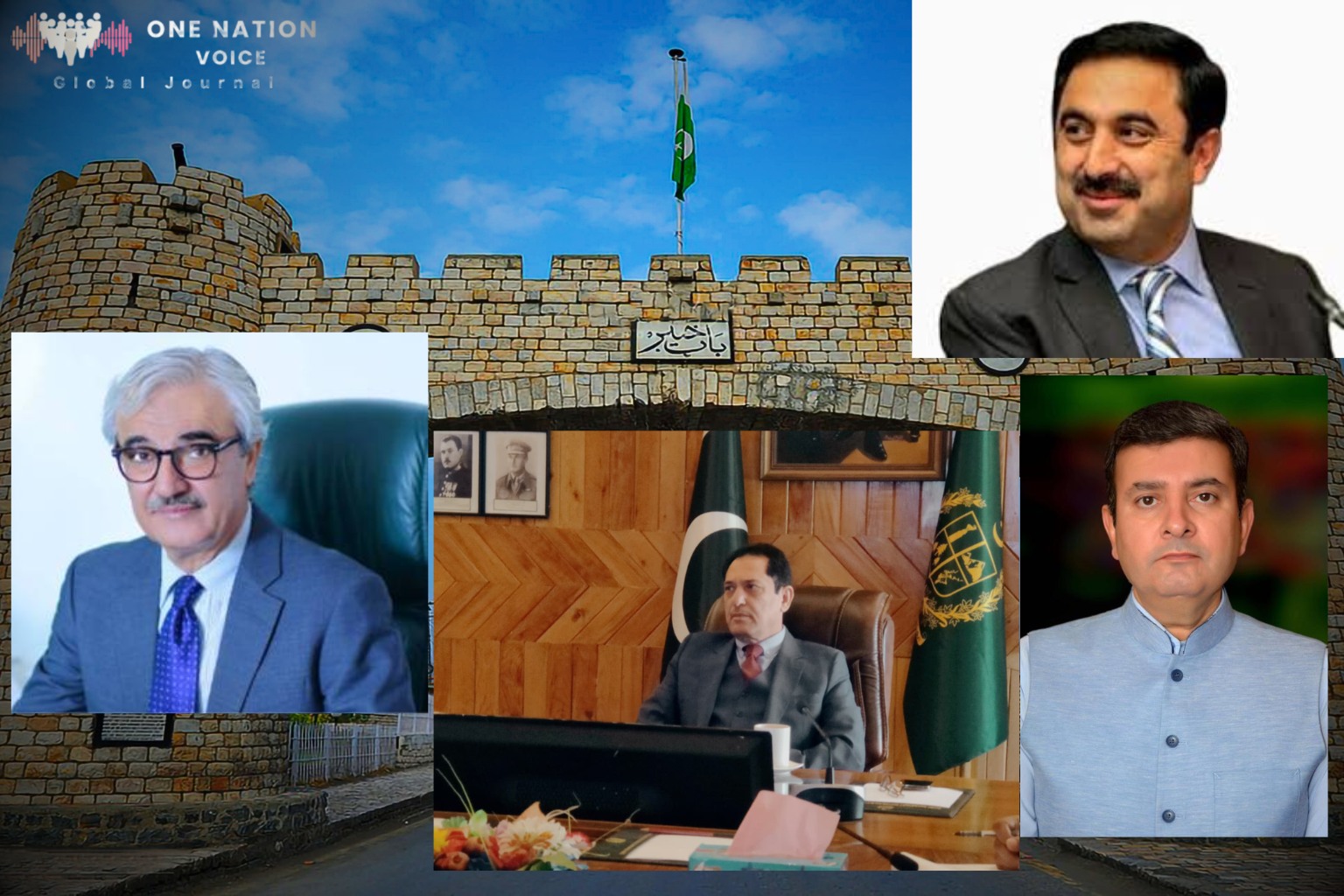
Shahab Ali Shah serves as Chief Secretary of Khyber Pakhtunkhwa, appointed in February 2025 after approval from the Prime Minister. Shakeel Qadir Khan holds the same position in Balochistan. Arshad Mohmand serves in Gilgit Baltistan. Khushal Khan leads the administration in Azad Jammu and Kashmir. Four officers, four different regions, one shared professional background, and a system that elevated them through performance.
This outcome is not the result of provincial favoritism or informal patronage. It reflects the structure of the Pakistan Administrative Service and the Central Superior Services examination system.
The System That Enables It
The Central Superior Services examination, conducted annually by the Federal Public Service Commission, is one of the most competitive selection systems in the country. In the 2025 results, only 170 candidates were recommended for appointment out of 12,792 who appeared in the written examination stage, reflecting a very low selection rate of 2.67 percent. Candidates from all provinces, including Khyber Pakhtunkhwa, secured representation among successful candidates. The top position holders were allocated to the Pakistan Administrative Service and the Police Service of Pakistan based on merit and allocation rules.
Officers in the Pakistan Administrative Service typically begin their careers at BPS 17 as assistant commissioners or section officers. Over time, they serve in district administration, development management, inter departmental coordination, and provincial secretariat roles. The position of Chief Secretary represents the highest administrative post in a province, responsible for coordination of the entire civil machinery and acting as the principal administrative advisor to the provincial government.
What This Moment Reflects
Pakistan’s federation has often faced concerns about uneven access to administrative opportunity. Questions about geography, background, and networks influencing career outcomes have been part of public discourse for decades. The current presence of multiple Chief Secretaries from Khyber Pakhtunkhwa highlights a different dimension of that system: the capacity for individuals from any province to rise to the highest administrative roles based on performance.
Khyber Pakhtunkhwa has faced extraordinary challenges over the past decades. It has hosted large refugee populations from Afghanistan over extended periods. It has also experienced severe security challenges linked to militancy and terrorism, affecting civilians and public institutions. The former Federally Administered Tribal Areas were merged into the province in 2018, creating significant administrative and governance demands. Despite these pressures, the province has produced a strong cadre of civil servants who have progressed to senior national roles.
The Appointment Process
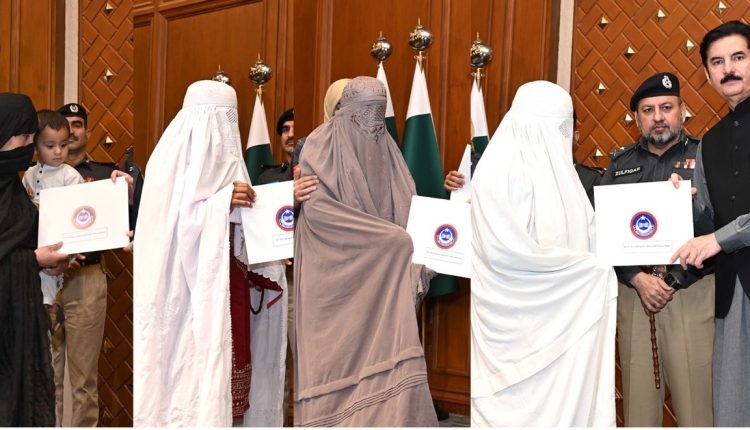
Chief Secretaries are appointed by the federal government through the Establishment Division on the recommendation of the Prime Minister. These are not elected positions and are not determined by provincial voting or local lobbying alone. They are senior administrative appointments intended to ensure experienced leadership of provincial bureaucracies.
Such appointments generally reflect long term performance, institutional trust, and administrative experience accumulated over decades of service. Officers who reach this level typically have extensive field experience, policy exposure, and a record of managing complex administrative systems.
A Lesson for the Federation
Pakistan’s federal system operates under continuous tension between provincial autonomy and national integration.
While political grievances must be addressed through constitutional and democratic mechanisms, the civil service represents a parallel structure where merit based advancement can strengthen national cohesion.
When officers are able to serve across provincial boundaries, such as a civil servant from one region leading administration in another, it reinforces the idea that competence is transferable and nationally recognized. This helps maintain the integrity of the administrative system.
At the same time, ongoing debates exist about service structures, promotion pathways, and balance between federal and provincial cadres. These discussions are important and should be addressed through transparent reforms without compromising standards of selection and performance.
The Broader Message
For young aspirants across Pakistan, whether from Khyber Pakhtunkhwa, Balochistan, Sindh, Punjab, or Gilgit Baltistan, the civil service remains one of the most structured paths to national responsibility. Success in this system depends on preparation, discipline, and consistent performance across multiple stages of service.
The presence of senior officers from Khyber Pakhtunkhwa in top administrative positions across multiple regions reflects one clear reality.
In Pakistan’s civil service structure, advancement is ultimately determined not by origin, but by sustained competence and institutional trust.
The federation functions not only through political institutions, but also through civil servants who operate across regions in service of the state. Their work continues to be a key pillar of administrative continuity and national governance.
Disclaimer:
The views and opinions expressed in this article are exclusively those of the author and do not reflect the official stance, policies, or perspectives of the Platform.