

Unity of the Ummah and Pakistan’s National Resilience
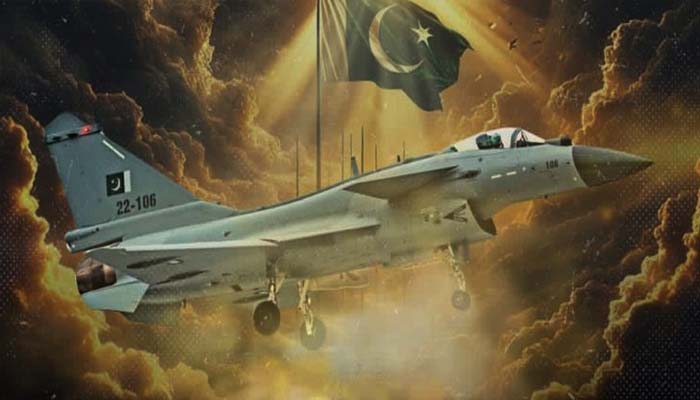
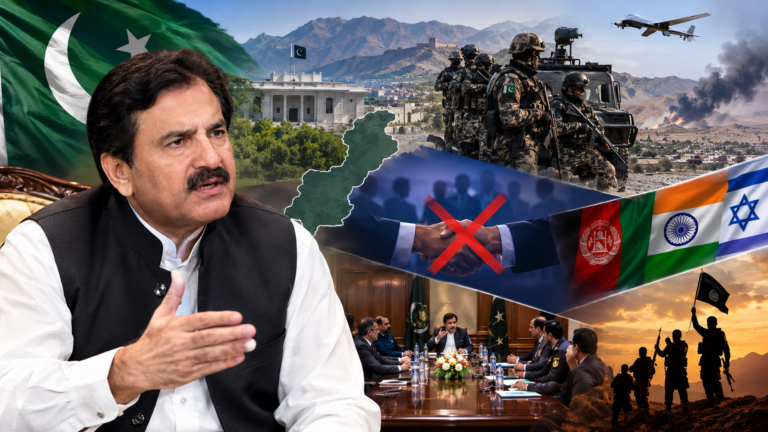
Marka-e-Haq must be understood as more than a military episode or a defensive response. In Pakistan’s national consciousness, it stands as a reminder that a country’s real strength is not measured only by weapons, borders or institutions, but by the unity of its people, the clarity of its purpose and the moral courage with which it faces oppression. The May 2025 confrontation between India and Pakistan, referred to in Pakistan as Marka-e-Haq, ended with a ceasefire on May 10 after several days of escalation. In that tense environment, the central lesson was not only about deterrence; it was about cohesion.
The Qur’an commands, “Hold firmly to the rope of Allah all together and do not be divided.” This verse is not merely a spiritual instruction for private life; it is a principle of collective survival. For the Muslim Ummah, unity is a form of worship, a discipline of character and a shield against forces that exploit division. When Muslims are fragmented by sect, ethnicity, class or political rivalry, they become vulnerable not only to military pressure but also to propaganda and fear.
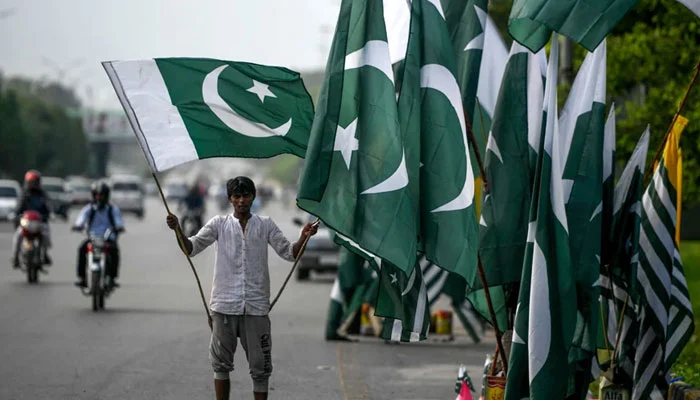
Marka-e-Haq showed that in moments of crisis, Pakistan must return to this Qur’anic command with seriousness. National unity is not a slogan for ceremonies; it is a duty in times of trial
Pakistan has always faced a complex security environment, but external pressure becomes most dangerous when accompanied by psychological and information warfare. Adversaries do not only target military positions; they target public confidence, civil-military trust, political stability and national morale. Rumours, manipulated narratives and hostile media campaigns are designed to make a nation doubt itself before it is defeated in the field. In such conditions, unity becomes a strategic asset. A calm and disciplined public can deny the enemy the confusion it seeks. Responsible conduct by citizens, media platforms, political workers and opinion leaders is therefore part of national defence.
One of the strongest features of Marka-e-Haq was the visible trust between the people and the armed forces. A nation can possess advanced defence capability, but without public confidence, its response remains incomplete. The people’s confidence gives moral force to the soldier, while institutional discipline gives reassurance to the citizen. This relationship should not be reduced to emotion alone; it is a serious national compact. The armed forces defend territorial sovereignty, while citizens defend social cohesion, patience and public order.
When both sides understand their responsibility, hostile propaganda loses its oxygen
Islamic history repeatedly confirms that victory is attached to unity, discipline and steadfastness. The early Muslim community did not overcome larger and stronger opponents through numbers alone. It prevailed through faith, collective obedience, sacrifice and strategic wisdom. Patience was never passive weakness; it was controlled strength. Steadfastness was never recklessness; it was moral firmness guided by purpose. The same principle applies to Pakistan today. A nation that reacts with panic, internal accusation or political opportunism serves the designs of its adversaries. A nation that responds with patience and unity strengthens its own hand.
Marka-e-Haq also underlined the need to place national interest above political differences. Democracy naturally contains disagreement, debate and criticism, and no healthy society should fear political diversity. But there are moments when national survival must rise above party lines. When aggression or coercion is directed at the state, political leaders have a duty to speak with maturity. Public disagreement should not become national disarray. Criticism should not become a tool for external narratives.
Unity does not mean silencing political voices; it means ensuring that political competition never weakens Pakistan’s strategic position
The wider Ummah should also reflect on this lesson. Oppression anywhere in the Muslim world becomes easier when Muslim societies are divided, distracted or indifferent to one another. The Qur’anic idea of brotherhood is not symbolic. It demands empathy, consultation and collective dignity. Pakistan’s experience during Marka-e-Haq reminds Muslims that faith-based solidarity must be translated into practical wisdom: diplomatic coordination, responsible communication, economic resilience and a shared refusal to accept injustice. Unity of the Ummah does not require uniformity in politics, but it does require moral clarity against oppression.
At the national level, resilience must now be deepened beyond moments of crisis. Unity should not appear only when borders are threatened; it should shape education, media ethics, political culture and institutional conduct every day. A resilient Pakistan is one where citizens verify information before sharing it, leaders avoid reckless rhetoric, institutions communicate with credibility, and the public understands that national security is a shared responsibility.
Marka-e-Haq proved that unity, patience and faith can overcome aggression in all its forms. It showed that Pakistan’s real power lies in the bond between its people, its institutions and its higher moral purpose. Weapons can deter an attack, but unity preserves the nation. Strategy can defeat a hostile move, but faith gives meaning to sacrifice. In the face of oppression, Pakistan’s answer must remain clear: hold firmly, stand together, act wisely and refuse division. A united nation not only defends itself; it earns dignity before the world.

