

INDIA TALIBAN BONHOMIE EXPOSED
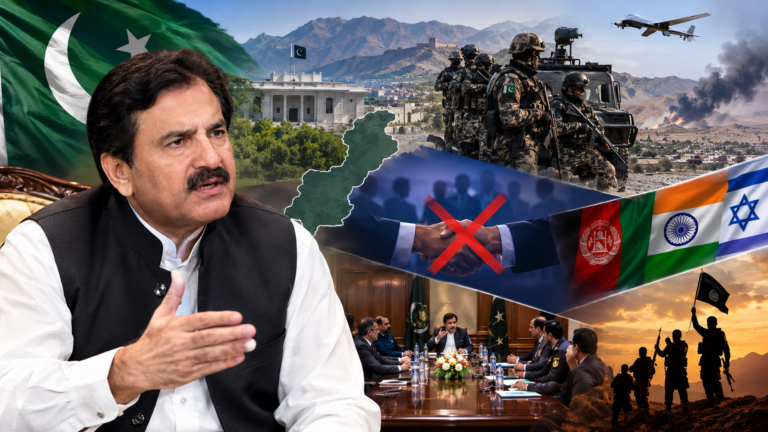
The India Taliban Axis: Unmasking a Calculated Strategy Against Pakistan
As the United Nations Security Council debates the security situation in South Asia, a troubling geopolitical realignment is unfolding in plain sight, one that Pakistan and the wider international community cannot afford to ignore. India’s rapidly deepening engagement with the Taliban regime, set against the backdrop of sustained terrorist violence emanating from Afghan soil, raises serious and legitimate questions about the motivations behind New Delhi’s strategic pivot.
In October 2025, India took a decisive step by reopening its embassy in Kabul, marking its most significant diplomatic re engagement with the Taliban since the group seized power in 2021. The timing was far from coincidental.
The embassy reopening occurred just hours after Pakistan conducted airstrikes targeting Khawarij in Afghan territory, a sequence of events that cast a sharp light on the convergence of Indian and Taliban interests at precisely the moment Pakistan was exercising its right to self defense against documented cross border terrorism.
Afghan Taliban Foreign Minister Amir Khan Muttaqi visited India in October 2025, making him the most senior Taliban official to visit the country since the group re seized power in Afghanistan in 2021. This was no ordinary diplomatic courtesy call. It represented the cementing of a strategic partnership between New Delhi and a regime that UN Security Council monitoring teams have repeatedly identified as providing sanctuary to more than twenty designated terrorist organizations. The question that demands an answer is simple: why would India choose this moment, and this partner?
The answer lies in the broader pattern of proxy warfare being waged against Pakistan. The necessity to strike deeper inside Afghanistan became unavoidable due to the growing nexus between India and elements within Afghanistan, coupled with the persistent refusal of the Taliban regime to dismantle terrorist infrastructure or sever its links with anti Pakistan groups. Far from acting as a responsible regional actor, the Taliban has provided operational space, sanctuary, and logistical support to terrorist networks targeting Pakistani civilians, security forces, and critical infrastructure.
The scale of this threat is staggering. According to reports submitted to the UN Security Council, the Afghan Taliban provides approximately $43,000 per month to the TTP, facilitating its operations and expansion, while the TTP carried out more than 600 attacks in Pakistan in 2024 alone. Between June and September 2025, Pakistan recorded a 36 percent rise in organized infiltration groups, with nearly 4,000 terrorists crossing into Pakistani territory, roughly 80 percent of them Afghan nationals. These are documented realities highlighted in international monitoring reports.
The TTP has established new training centers in Afghanistan’s Kunar, Nangarhar, Khost, and Paktika provinces, while UN findings also point toward collaboration between the TTP and groups such as Al Qaeda in the Indian Subcontinent (AQIS), increasing the risk of Afghanistan becoming a hub for regional terrorism. Pakistan exhausted diplomatic avenues before acting. It submitted protest notes, held border meetings, and issued repeated demarches demanding the dismantling of terrorist camps, all of which remained unresolved.
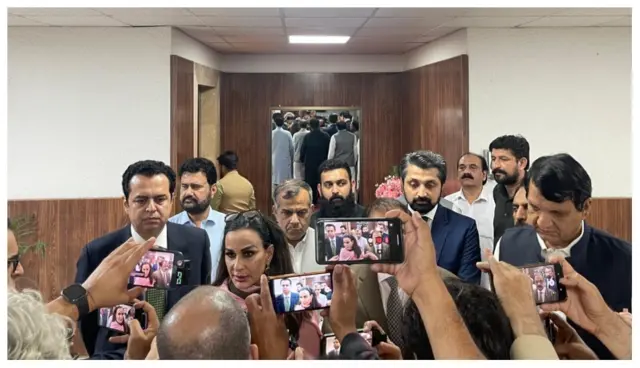
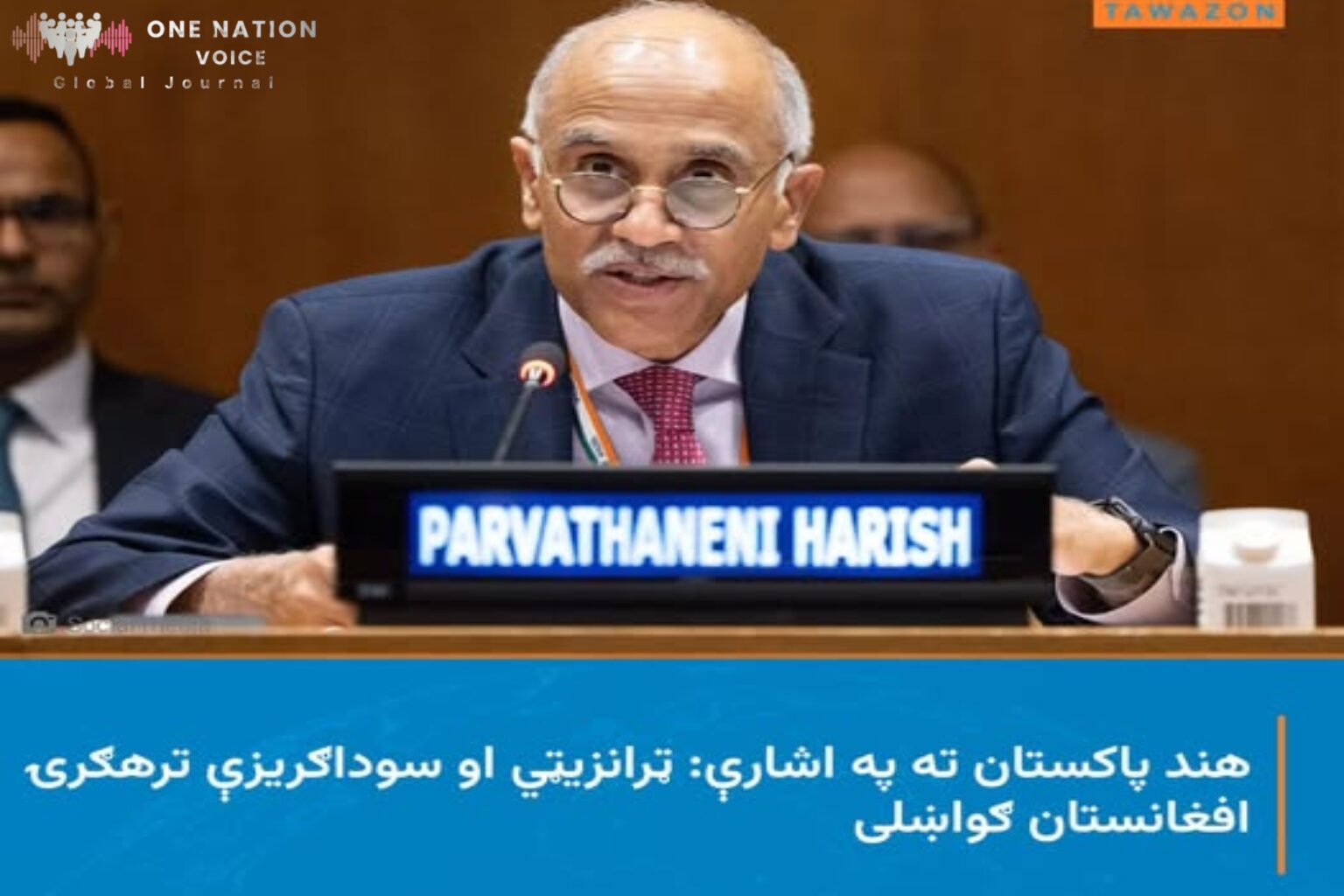
Against this backdrop, India’s selective posturing at the United Nations appears deeply contradictory. At a recent UNSC session, India’s Permanent Representative accused Pakistan of failing to uphold humanitarian obligations while remaining silent on concerns regarding terrorist sanctuaries used by anti Pakistan groups. Pakistan’s representative Saima Saleem responded by highlighting allegations that groups including the TTP, BLA, and Majeed Brigade have carried out attacks killing thousands of Pakistani civilians through networks allegedly operating from Afghan territory.
The India Taliban rapprochement is presented in the language of “regional stability” and “humanitarian engagement,” yet the broader strategic calculus remains visible. Analysts point to deteriorating India Pakistan relations and regional competition, including efforts to counter China’s growing influence, as major drivers behind India’s renewed engagement with Kabul. Critics argue that such policies risk further destabilizing an already fragile regional security environment.
Data from 2025 to 2026 indicates that Afghan based terrorist were responsible for a significant number of terrorist attacks inside Pakistan, while repeated diplomatic engagements failed to produce decisive action against TTP leadership based in Afghanistan. Under these circumstances, Pakistan maintains that its counterterrorism operations are measures undertaken for national security and self defense after exhausting diplomatic remedies.
The international community must ask itself a serious question: what kind of regional order should prevail in South Asia?
One where cross border terrorism continues unchecked, or one where states work collectively to eliminate terrorist safe havens and promote long term regional stability? The growing alignment between India and the Taliban raises difficult questions whose implications extend far beyond Pakistan alone.
Disclaimer:
The views and opinions expressed in this article are exclusively those of the author and do not reflect the official stance, policies, or perspectives of the Platform.

