




Musk’s X to appeal Indian court ruling on secretive content removal system
Musk’s X to appeal Indian court ruling on secretive content removal system
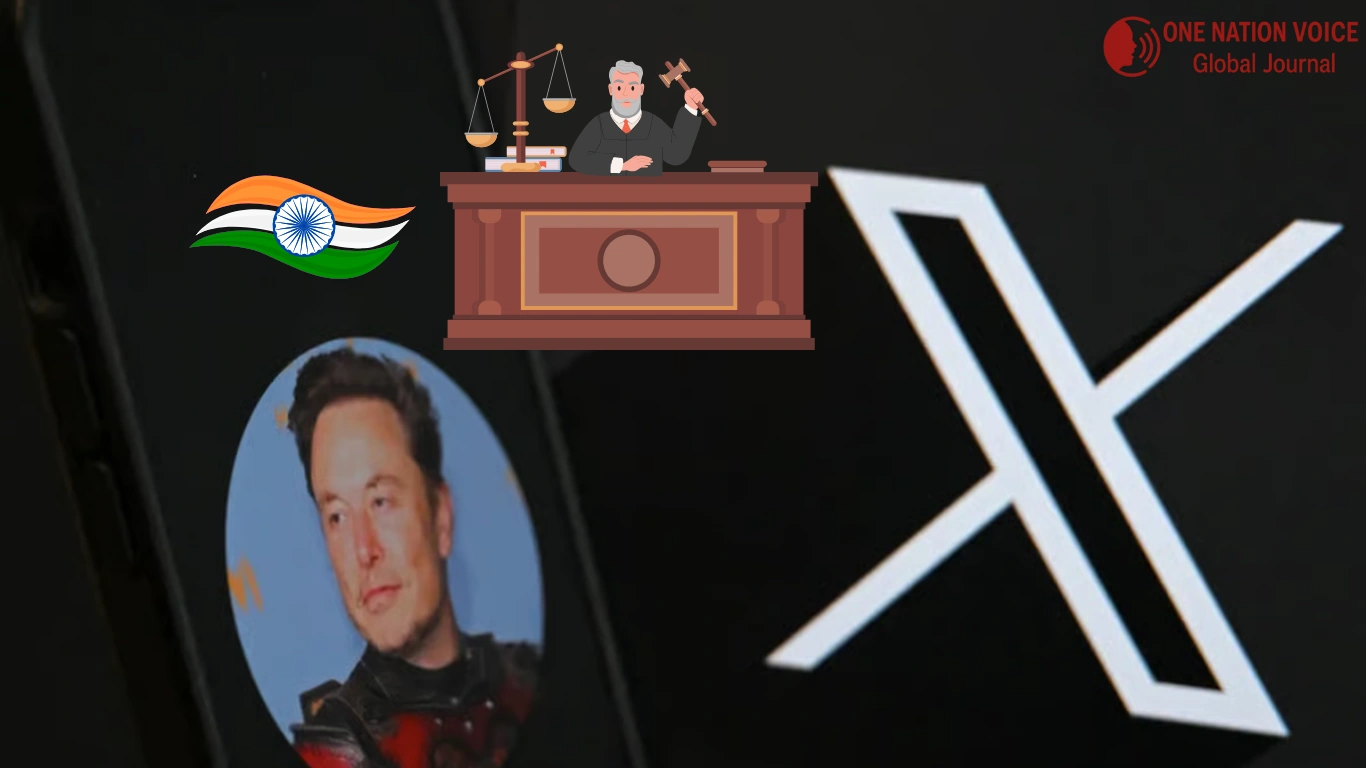
Elon Musk’s X platform (what used to be Twitter) is gearing up for another fight in India. A few days ago, the Karnataka High Court dismissed X’s challenge against the government’s new takedown system called Sahyog, and now the company says it will appeal.
So, Sahyog is an online portal that lets police and government officials across India send takedown requests directly to social media companies. The problem, according to X, is that this happens without meaningful judicial oversight. Essentially, millions of police officers can flag posts and demand their removal, and platforms risk criminal charges if they don’t comply. For a country the size of India, that’s a lot of power concentrated in one channel.
X argues this setup sidesteps India’s IT Act and past Supreme Court rulings that put guardrails around censorship. They’ve been calling Sahyog a “censorship portal,” saying it puts free expression in jeopardy and forces platforms to act as enforcers rather than neutral hosts.
The court didn’t buy it. Judges said American-style free speech standards don’t apply in India, and that India’s Constitution explicitly allows “reasonable restrictions.” They also pointed out that foreign companies like X can’t automatically claim the same rights as Indian citizens. In short, the court’s view is if you’re operating here, you play by the rules, even if those rules are stricter than what Silicon Valley is used to.
Also Read:The Double Standards Behind Musk’s “Interference”
So why is X pushing ahead with an appeal? Beyond principle, it’s about precedent. If Sahyog stands as-is, India could become one of the most aggressive markets for online takedowns, and other governments might follow its example. From X’s perspective, that’s a slippery slope: if every country sets up a system where police can quietly pull down content without courts or transparency, the open nature of these platforms erodes pretty fast.
At the same time, India isn’t just any market. It’s one of the biggest for social media, and the government has been clear that companies must comply or face penalties. That puts X in a tough spot. Musk likes to brand X as a defender of free speech, but staying in India while defying the government could mean legal or financial trouble. Pulling out of India isn’t really an option either, given the scale.
For everyday users in India, the outcome matters because it decides how visible their voices are online. If Sahyog remains untouched, posts could be taken down with little explanation or recourse. If X wins some concessions, there might be more transparency or at least some checks before content disappears.
In short, this isn’t just about Musk’s platform throwing a tantrum. It’s part of a bigger global debate: how much control should governments have over what people say online, and how much should platforms resist? India is now one of the test cases for that balance.

