


Pakistan Expands National Cervical Cancer Vaccination Drive

Pakistan Expands National Cervical Cancer Vaccination Drive
Pakistan has taken a pretty big step in public health as it is rolling out a much larger National Cervical Cancer vaccination drive, aiming to protect millions of young girls from HPV, the virus that causes most cervical cancers. For a country where women’s health often does not get the attention it deserves, this feels like a turning point.
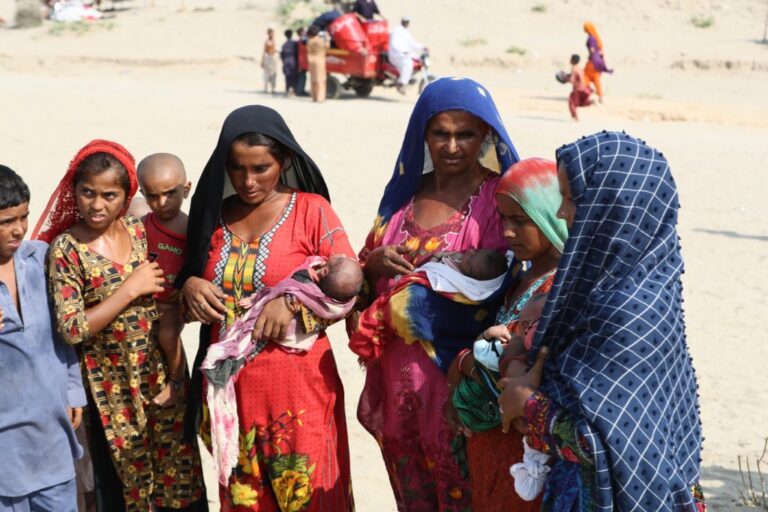
The campaign is focused on girls aged 9 to 14, and the vaccine is being offered free of charge in schools, health centers, and through mobile teams. The plan is to cover about 13 million girls in Punjab, Sindh, Islamabad, and Azad Kashmir first, then gradually bring in Khyber Pakhtunkhwa, Balochistan, and Gilgit-Baltistan. To pull this off, WHO helped train nearly 50,000 health workers, which shows the scale of what’s happening. By September, officials said around 9 million girls had already been vaccinated, which is roughly 70 percent of the initial target.
Of course, it hasn’t been smooth sailing. Misinformation has been a huge problem. Rumors about infertility linked to the vaccine have spread fast, leading to some parents refusing it outright. In some areas, health workers were even turned away from schools. In one district, about 77 percent of the target was reached, which sounds decent, but it also means tens of thousands of girls missed out—mostly because families weren’t convinced, or kids just weren’t around on the day. The health minister even had his own daughter vaccinated publicly to show people it’s safe, which says a lot about how much trust they’re trying to build.
Also Read:Pakistan to Launch First Nationwide Cervical Cancer Vaccination Drive
Why does all this matter? Cervical cancer is the third most common cancer among women in Pakistan, and it kills over 3,000 women every year. Most of these deaths are preventable with vaccination and proper screening. That’s why global health groups like WHO and Gavi are backing Pakistan’s efforts. They’ve also made things easier by approving a single-dose schedule in many cases, which reduces costs and logistics.
Still, vaccines alone won’t solve everything. Screening and treatment for older women who are already at risk need to be part of the picture too. And there’s the ongoing challenge of making sure the vaccine actually reaches girls in rural and underserved areas, not just in big cities. Funding, political will, and continued education will decide how successful this program really is.
If Pakistan manages to keep the momentum, it could save thousands of lives in the long run and set an example for other countries in the region. It’s ambitious, and it won’t be perfect, but it’s hard to deny the significance of this moment.

